Late in November, we have seen a number of migrating birds pass through the Highlands while other year-round residents “hold their ground”. Birds which are pretty much omnivorous and can feed on insect larva, berries, and other “meat and veggies” find no reason to depart for the warmer climes where other species find their desired food supply will be more abundant.
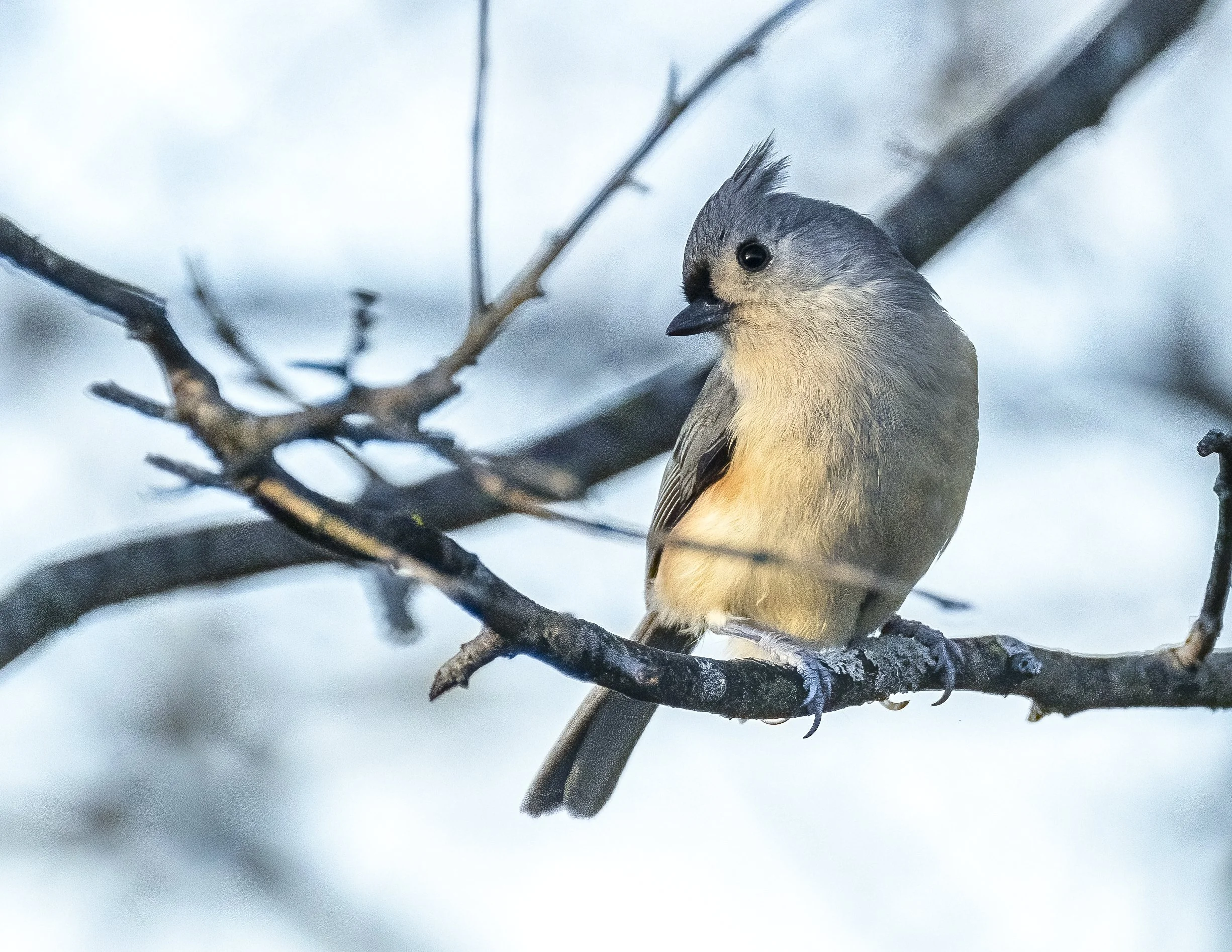
Anyone who has feeders set up at their backyard during get cooler months of late autumn and winter will confirm that the Tufted titmouse is a bird which is quite comfortable staying here in the “north country” throughout the winter. Tufted titmice in winter rely heavily on a mixed foraging strategy, combining active gleaning of insects from branches and bark with increased consumption of seeds, nuts, and suet provided at feeders. They often visit sunflower seed and peanut feeders, cache extra food in bark crevices and leaf litter for later use, and join mixed-species flocks (including chickadees and nuthatches) to improve foraging efficiency and predator vigilance. Their high metabolic rate drives frequent, short feeding bouts throughout the day to maintain body heat.
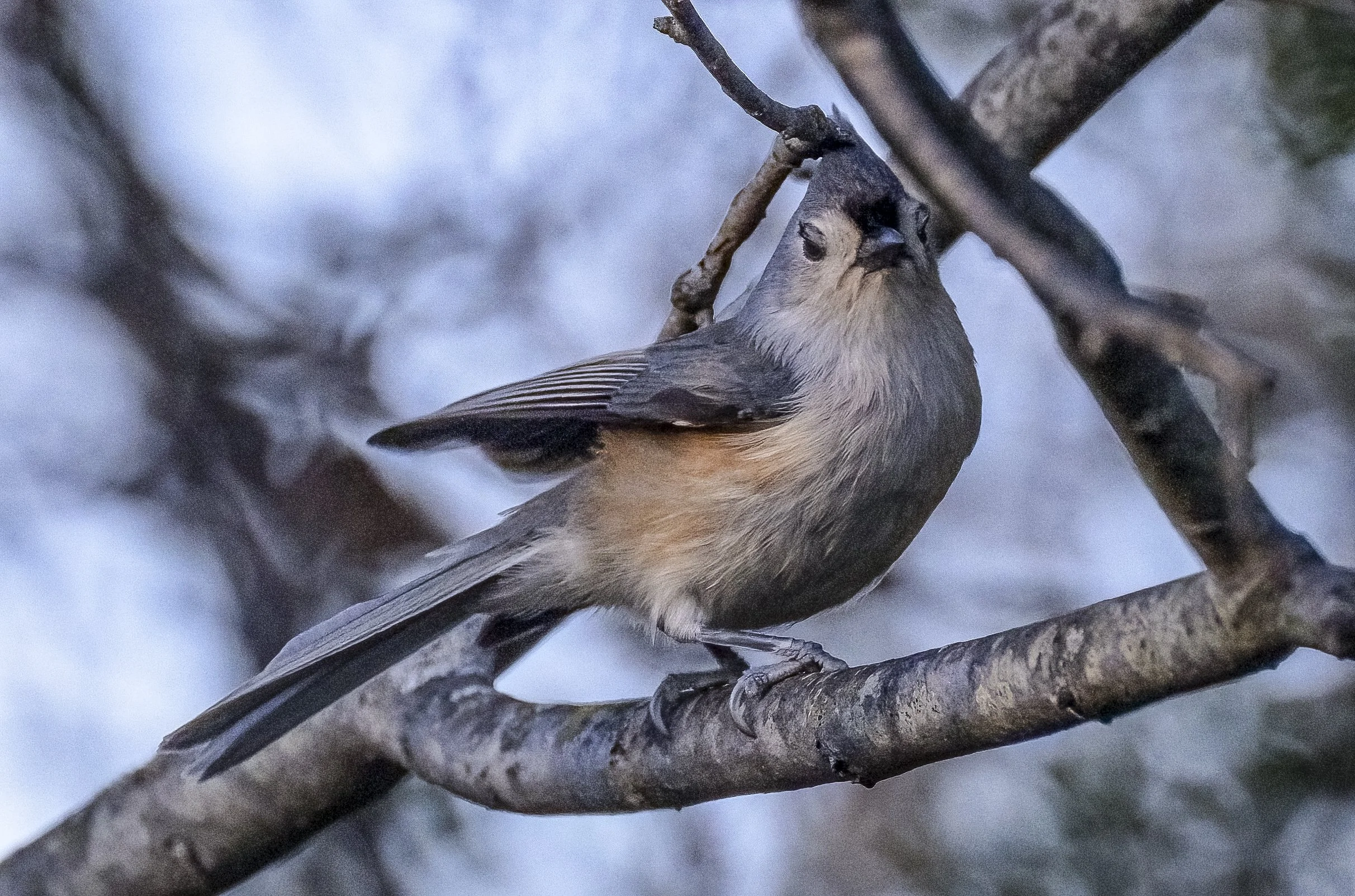
Both images - Tufted titmouse - Iona Island - 11/17/26
A second opportunistic feeder is the Northern mockingbird.
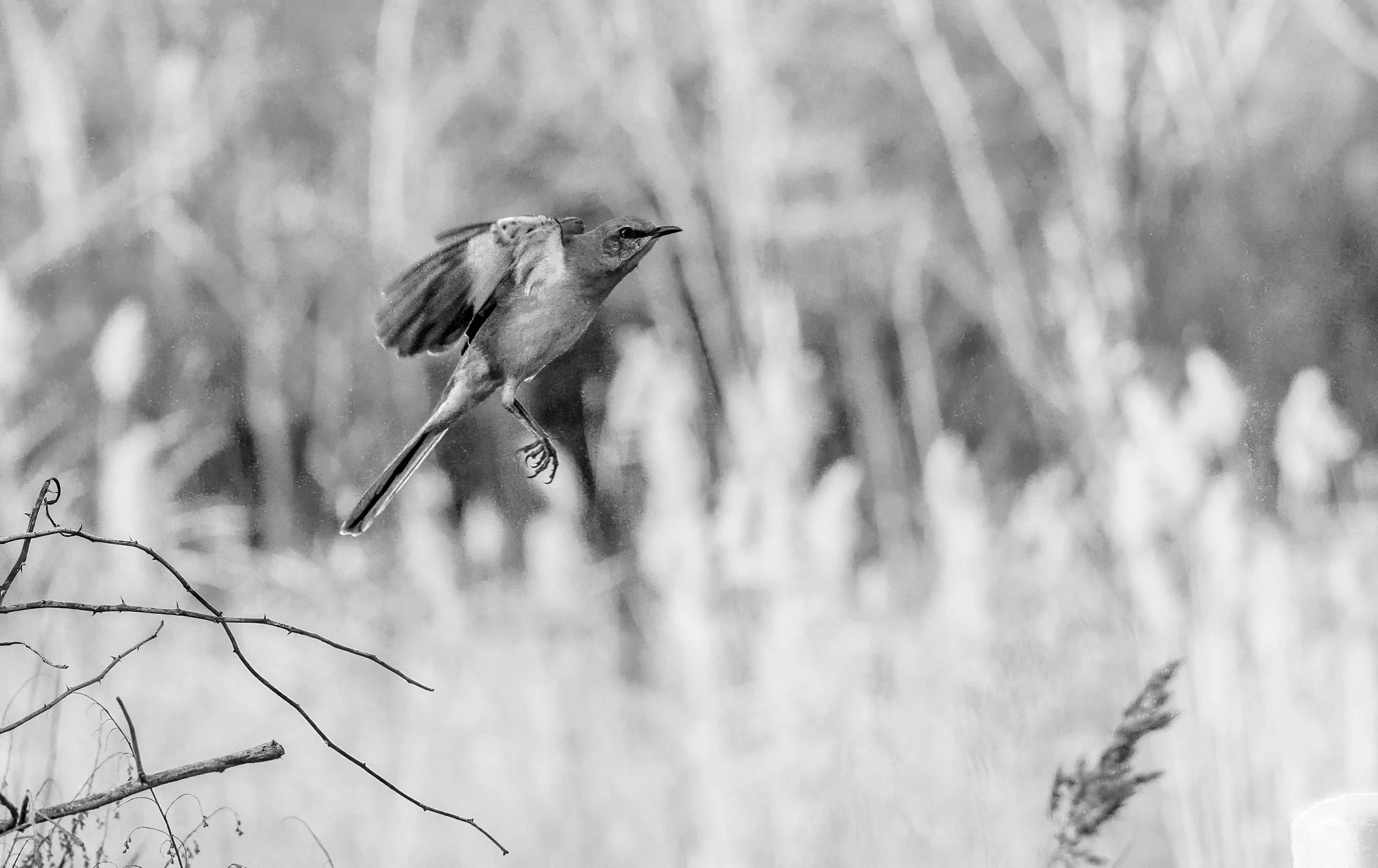
Northern mockingbird - Iona Island - 11/17/26
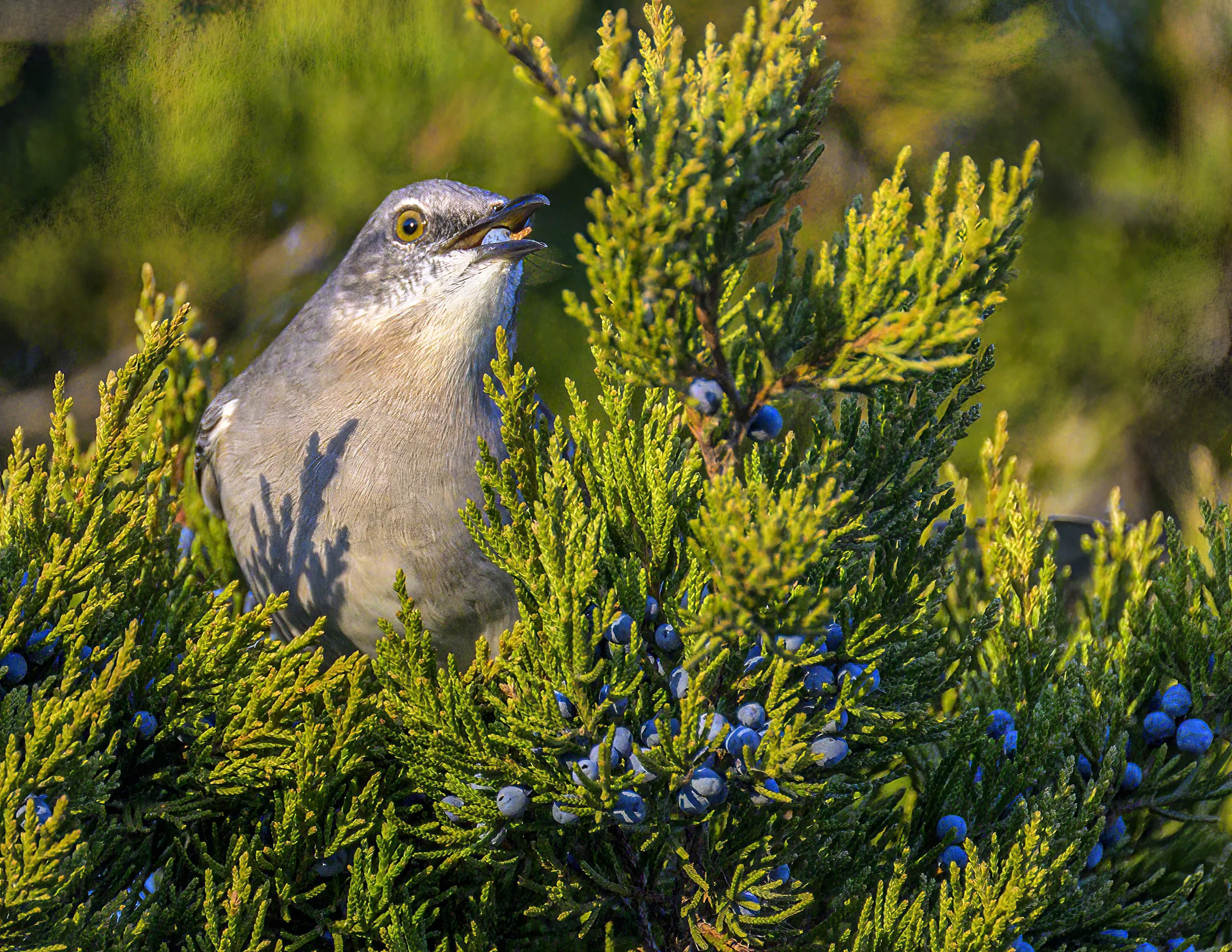
In winter, Northern Mockingbirds shift from a summer diet heavy in insects to a greater reliance on fruits and berries, foraging primarily in shrubs, trees, and along hedgerows for winterberry, holly, juniper, and various ornamental fruits. They also scavenge scraps and seeds in suburban areas, often visiting backyard feeders for suet, raisins, or mashed fruits, and they remain territorial—defending productive feeding sites through aggressive displays and chasing rival birds—while conserving energy by feeding during warmer daylight hours and adopting sit-and-watch tactics to spot scarce prey like dormant insects or small invertebrates exposed by leaf litter or thawing ground. As I observed this “mocker” at a Cedar on Iona Island, he aggressively drove a second mockingbird away from “his” tree.
Northern mockingbird - Iona Island - 11/17/26
I’ve been checking on this same tree for several months now and while other birds have been present taking advantage of the bounty of juniper berries on this Eastern red cedar, the “King of the Roost” has always been this Mockingbird. Above, I was lucky enough to capture an image of him dining on one of his favorite delicacies. The Titmouse seen in the first two shots of today’s posting tried on several occasions to come in for a snack, but within a minute, the mockingbird was there to let the little titmouse know that he was not welcome.
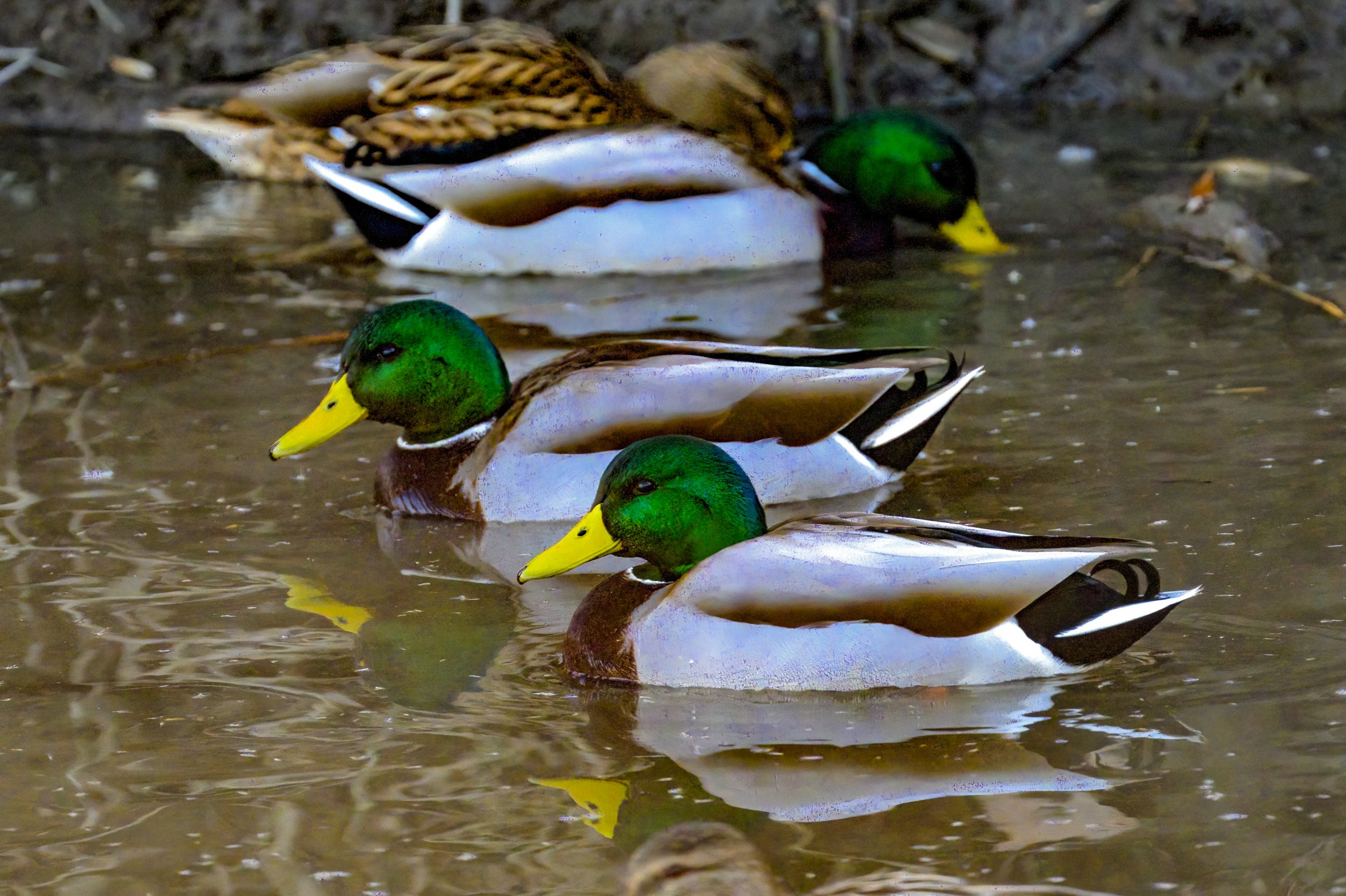
Mallards - Iona Island - 11/17/26
Our final winter resident of today’s post is the Mallard. In winter in the Hudson Valley, mallards shift from primarily foraging on aquatic vegetation and invertebrates to a more opportunistic diet that includes seeds, grains, and human food scraps; when waterways are unfrozen they feed by dabbling—tipping forward to reach submerged plants and small animals—but in frozen or urban areas they will graze on grasses, forage in agricultural fields for leftover corn and soy, and frequent parks and shorelines where people feed them bread or other handouts. They will also congregate in the Hudson where throughout much of the winter the water will remain relatively open due to the salinity of the water, the strong currents created by the natural flow of the river and the tidal effects, and commercial marine traffic.
And so, while many species found here in the valley have departed or will soon depart for the more benign climates to the south, others are perfectly at home here where they make due with what is offered.