Blue Heron Preserve
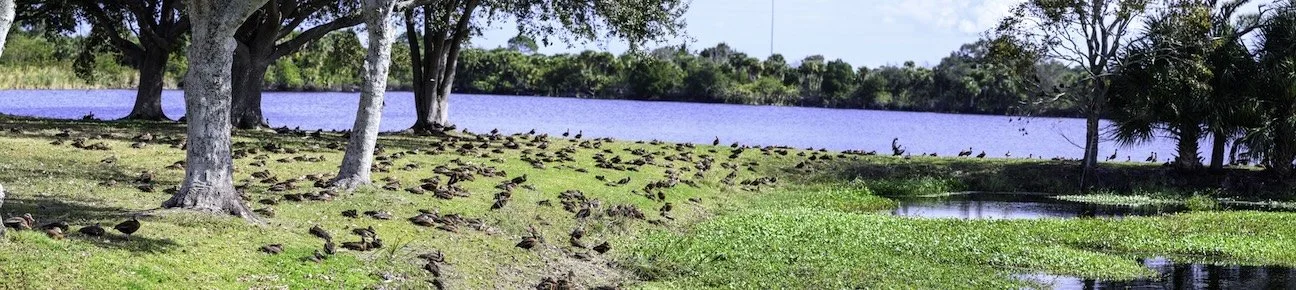
230+ Black-bellied whistling ducks - Blue Heron Preserve - 1/30/26
After several years of some neglect, the Titusville Water Reclamation Plant known as Blue Heron Preserve has returned to its status as a true gem. Waterfowl, waders, shorebirds, and more are here in abundance. Today, we counted close to 1000 individuals and 24 species. Last year, we found hundreds of Black-bellied whistling ducks along one of the impoundments located behind the plants offices. Today, there were even more! The photo above shows one section of the shoreline in which you can count (if you’ve got a lot of spare time) over 230 individuals. This was only one section of the shoreline which in total we estimated to be over 500 birds.
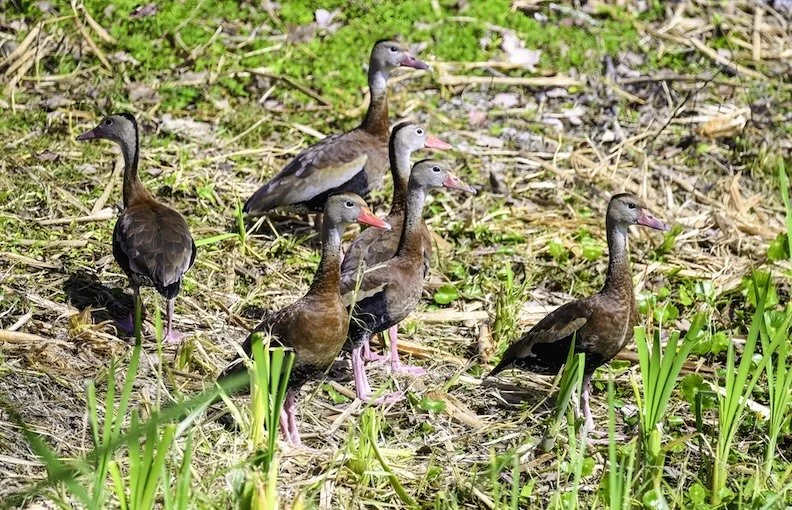
Adult (red bills) and juvenile Black-bellied whistling ducks at Blue Heron - 1/30/26
In spite of the fact that this is duck, Black-bellies prefer dry land for grazing and the environment provided here at Blue Heron is ideal. These are not strong migratory birds and tend to stay here in the south. That being said, we did actually get a small number in The Wallkill River NWR in New York State in 2011. Not very common up home! In addition to the mass of whistlers we saw along the banks of this impoundment, we did a second large flock in the main part of the preserve.
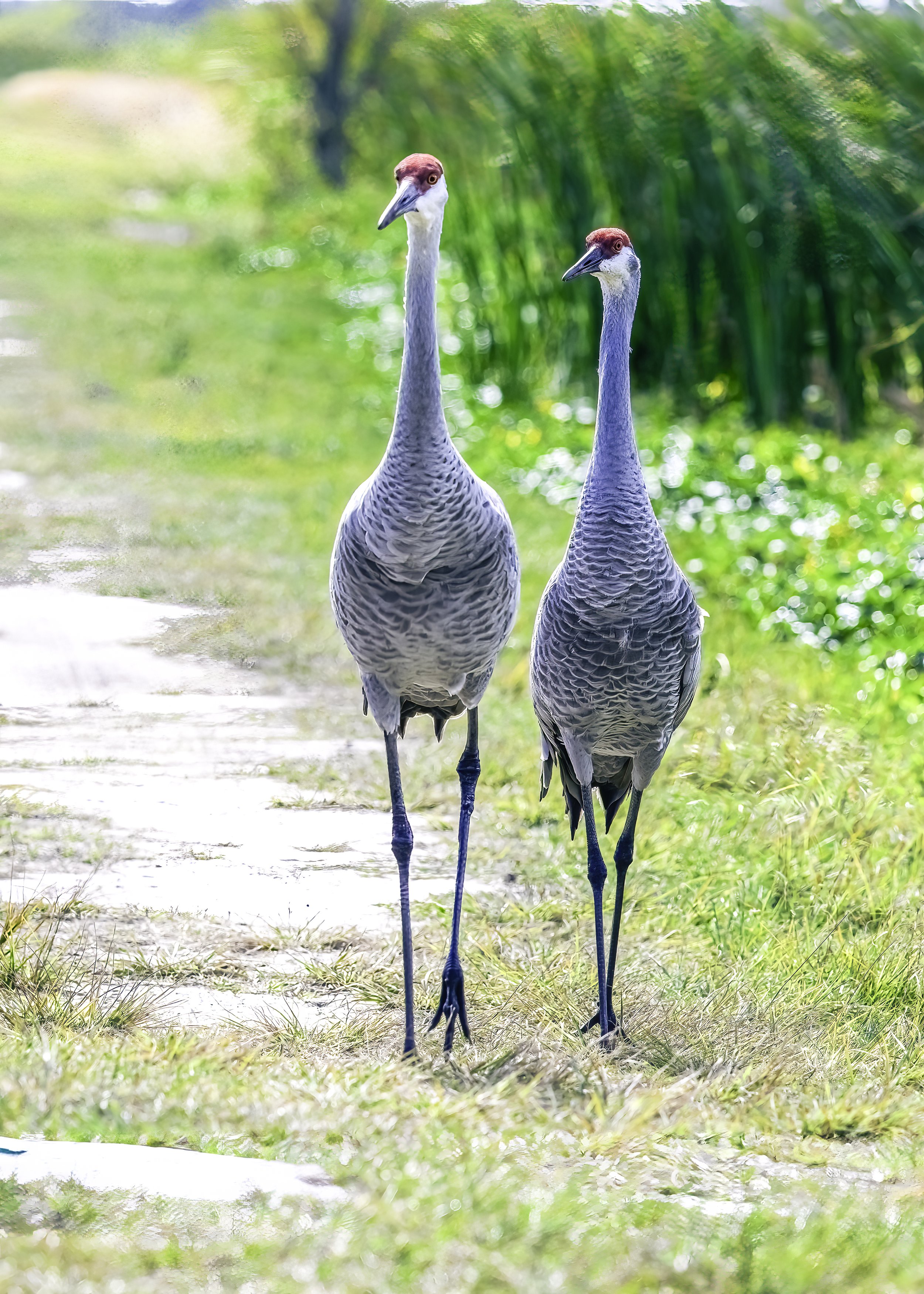
Sandhill Crane pair (taller is the male)- Blue Heron Preserve - 1/30/26
Another nice sighting early in the day here at the Preserve was a pair of Sandhill Cranes. It’s always a treat to hear these large birds calling to one another at some distance. They are devoted parents and never leave their young out of sight. There is population here in Floridanumbering around 4,000-5,000 that remain all year round. The second population (Greater Sandhill crane) number as many as 25,000 and migrate long distances from their wintering grounds here all the way across the country up to their nesting grounds near the Great Lakes. It is still a little early for the resident birds to start nesting. That usually takes place in late winter and early spring. Another natural event for us to look forward to.
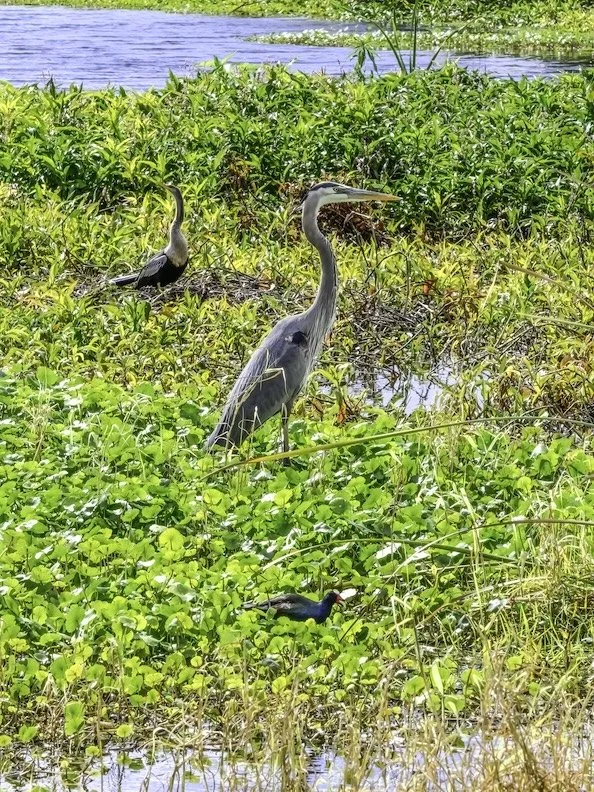
Top to bottom - Anhinga, Great blue heron, and Purple gallinule 0 Blue Heron Preserve - 1/30/26
With so many birds congregating in a limited area like Blue Heron Preserve, it is not uncommon to have multiple species in the same view. This image captured three of Florida’s iconic birds in a single frame. The top bird is a Anhinga, nest down the list the Great Blue heron, and at the bottom it the Purple gallinule. Nice to see all of then together so that we can get an idea of how they compare size-wise.
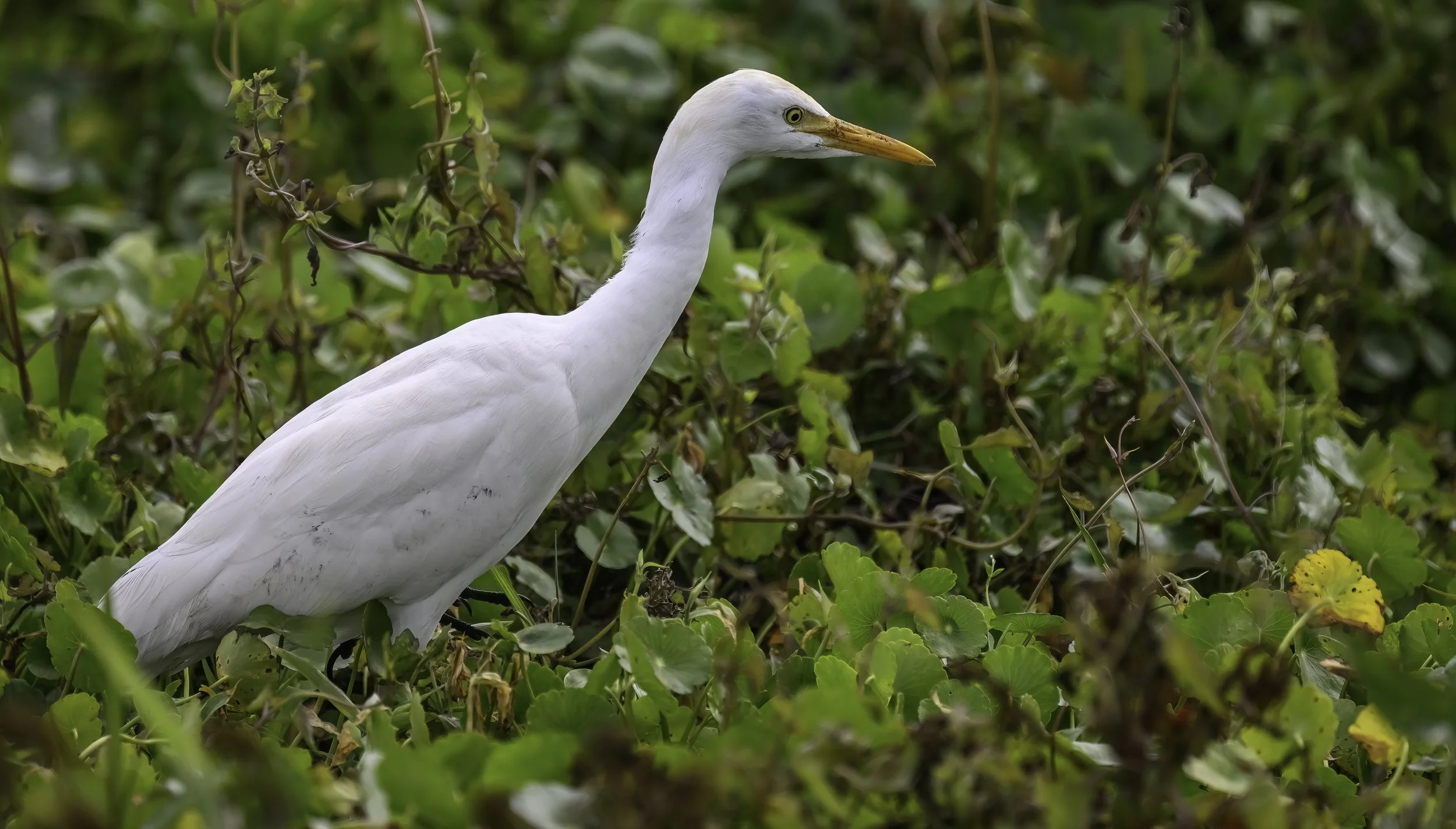
Cattle egret - Blue Heron Preserve - 1/30/26
The image above is a Cattle egret. A question I’ve often been asked is “what is the difference between egrets and herons”? In truth, it’s all in the name. Most egrets are in fact white like the Cattle egret above. True for Snowy egrets and Great egrets (but what about “Reddish” egrets??? And most herons are darker colors like the Great blue heron, Little blue heron & Green heron. But then we do have a white morph of the Great blue called the Great White heron. So for now, let’s just say color is a good way to think of which is which, except when it isn’t!
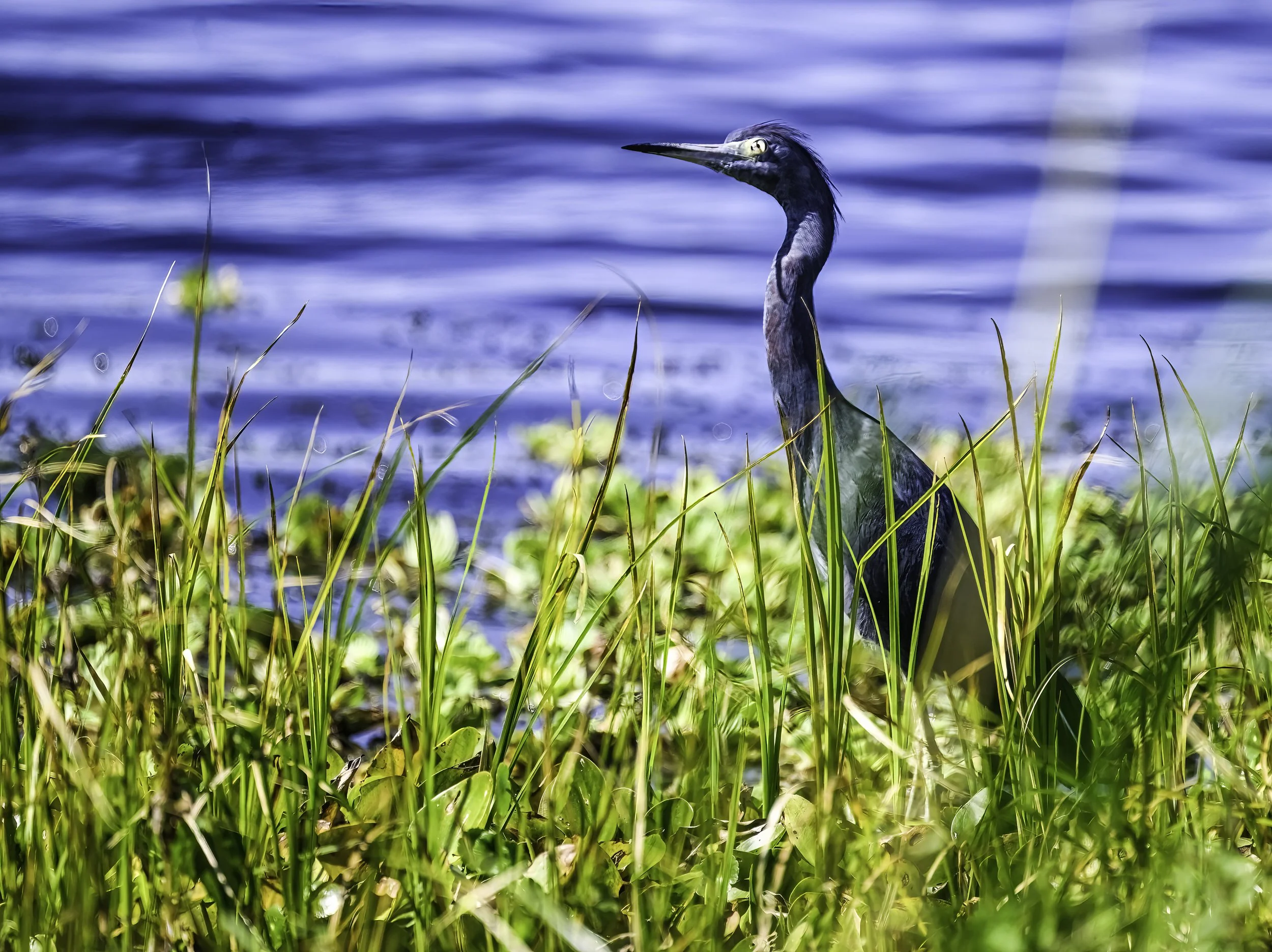
Little blue heron - Blue Heron Preserve - 1/30/26
And last but not least, a couple of birds at the preserve which are not predominantly considered as “water birds”. The Eastern phoebe is a common species found here at the preserve. The warm climate, abundant water supply, grassy surroundings means lots of insects and phoebes love insects. As we drive around the preserve, we are always on the lookout for these little flycatchers perched on fences or low-lying shrubs.
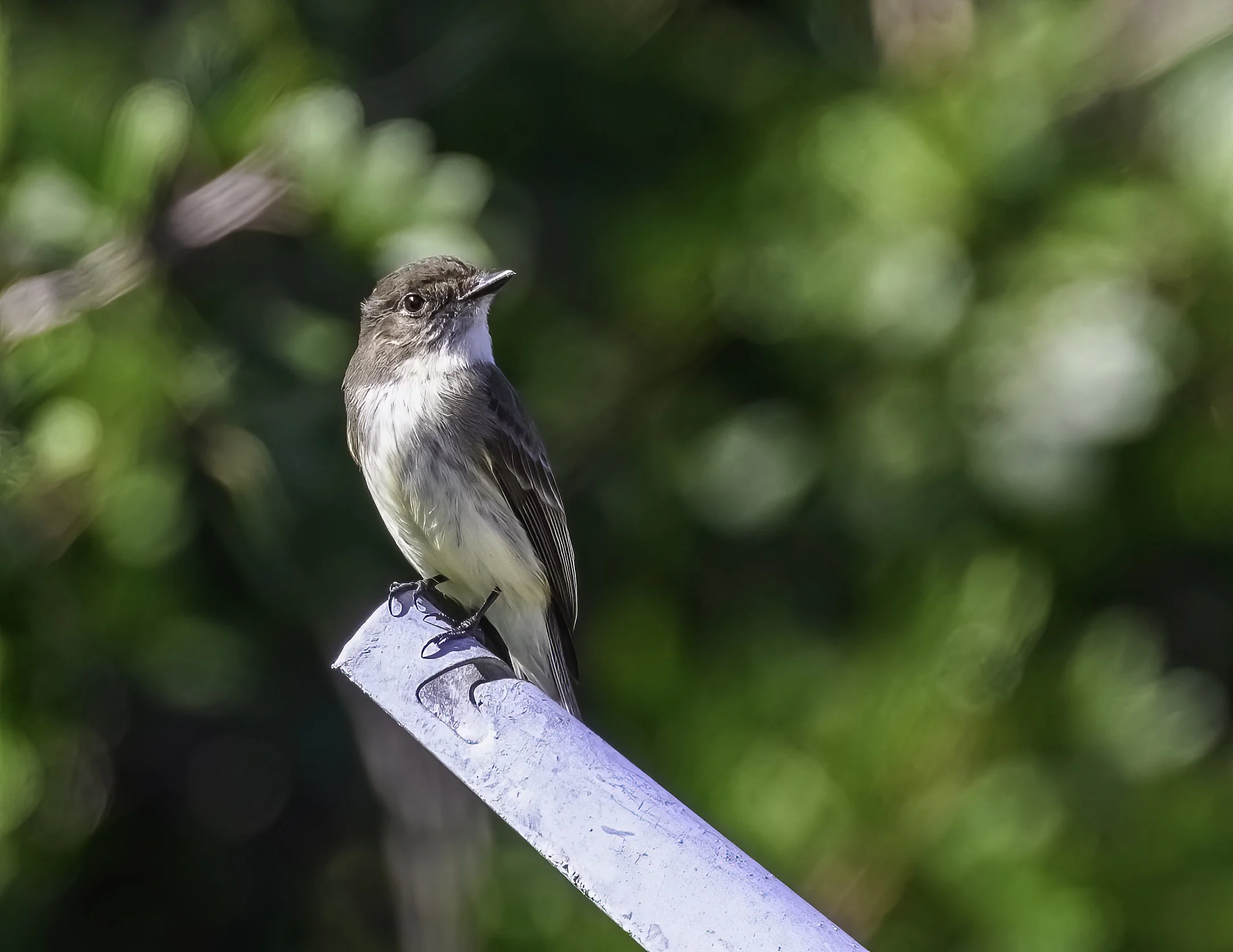
Eastern phoebe - Blue Heron Preserve - 1/30/26
The last bird of today’s blog is the Killdeer. The Killdeer is a medium-sized plover native to North America, recognized by its slender body, long legs, and distinctive double black breast bands set against a rufous-brown back and white underparts; its loud, high-pitched "kill-deer" call gives the bird its name. Highly adaptable, Killdeer frequent open habitats such as fields, gravel parking lots, shorelines, and lawns rather than dense wetlands, and they often nest on bare ground or gravel in shallow scrapes, relying on camouflage and distraction displays—most famously the broken-wing act—to protect eggs and chicks from predators. Omnivorous and opportunistic, their diet includes insects, earthworms, small crustaceans, and seeds, which they forage for by sight during the day. Killdeer are largely migratory in the northern parts of their range but may remain year-round in milder regions, and their bold presence near human development makes them a familiar and resilient component of many landscapes.
And so, if you are ever in the Titusville area visiting the Cape Canaveral area or heading out to the attractions in Orlando, do yourself a favor and make time to drive around Blue Heron Preserve. Be aware of the fact that they are only open to the public during the week and they do close the gates for entry at 3:00 PM. If you make the time and effort, you won’t be disappointed!