Quick circuit…
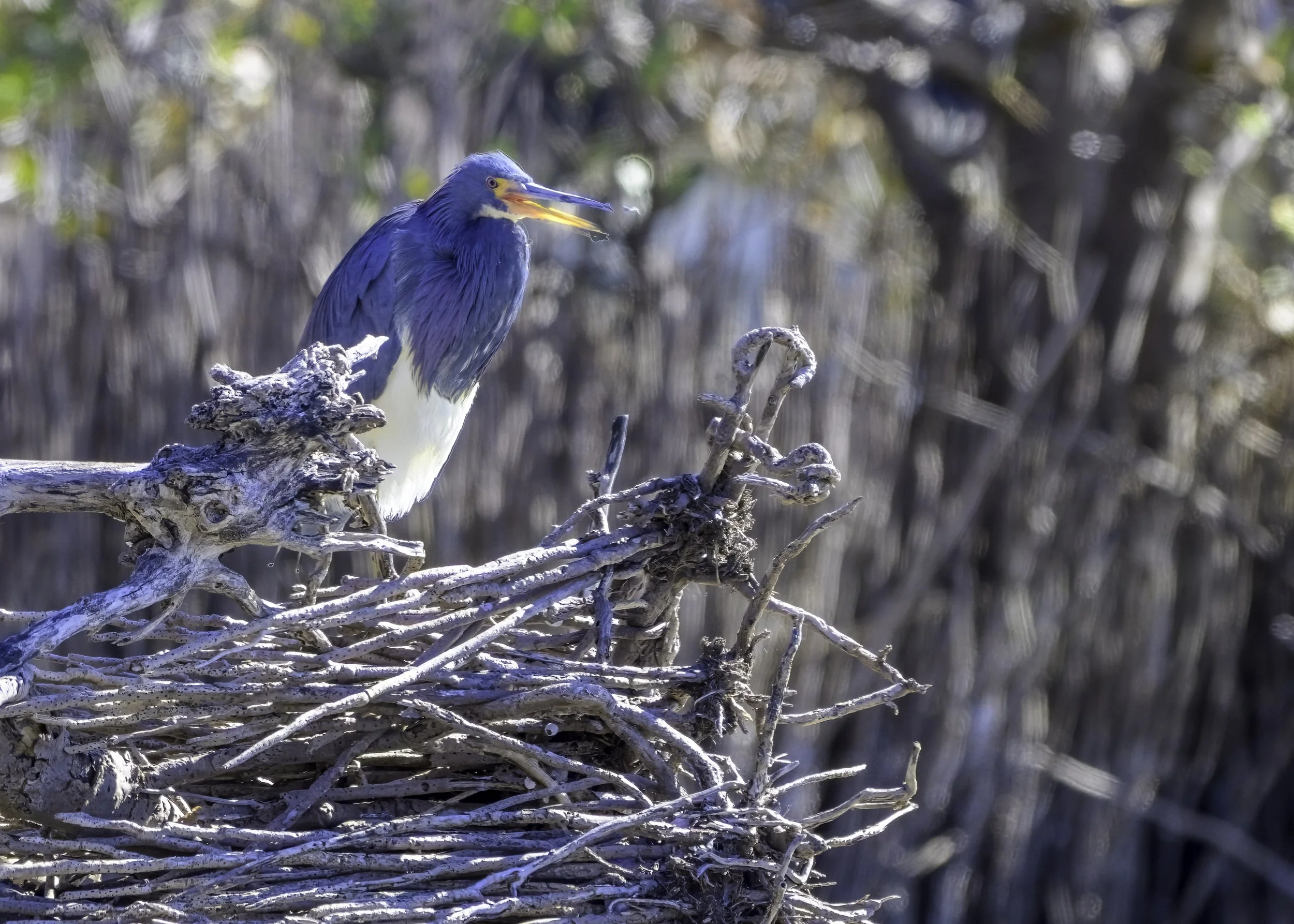
Tricolored heron-Indian River-Shiloh Marsh-2/7/26
We wanted to cover a few different places today, so it was kind of a whirlwind excursion to revisit these areas. First on the list was the eagle’s nest on Volcon Road in Edgewater. We were disappointed to not see any sign of the eagles that we’re hoping will successfully nest at this site. We’ll continue to monitor the nest and hope that this was just a case of the eagles being here but out of sight. Next was Shiloh Marsh Road. At the end of the road, we took a look at the little beach along the banks of the Indian River. We found a Tricolored heron which appeared to be in distress….mouth agape as if the bird was overheated. Temperatures today are still in the low 60s, however, so why this behavior? Only the bird knows. It was also of interest that the bird was perched on what looked like a nest. In actuality, it was perched on roots of a mangrove which has been blown or washed over onto its side. The parallel “twigs” were actually the pneumatophores which normally would be upright but were now horizontal. Interesting formation.
On the same beach, we found a dead fish which I had never seen before. iNaturalist identified it as a Striped Burrfish. A web search gave me the following information on this interesting fish. “Striped burrfish are small, rotund marine fish known for their short, sharp spines and distinctive banded coloration that ranges from pale cream to dark brown, helping them blend into seagrass beds and reef rubble. When threatened they can inflate by swallowing water or air, erecting their spines as a deterrent to predators; despite this defensive display they are nonaggressive toward humans but should not be handled because their skin can cause injury. Typically found in warm coastal waters of the western Atlantic, they feed on hard-shelled invertebrates—crushing prey with a beak-like dental plate—and are often spotted by divers and anglers during late summer when juveniles move into shallow bays. Their cryptic behavior, unique appearance, and role as both predator of benthic invertebrates and prey for larger fishes make them an interesting component of nearshore marine ecosystems”.
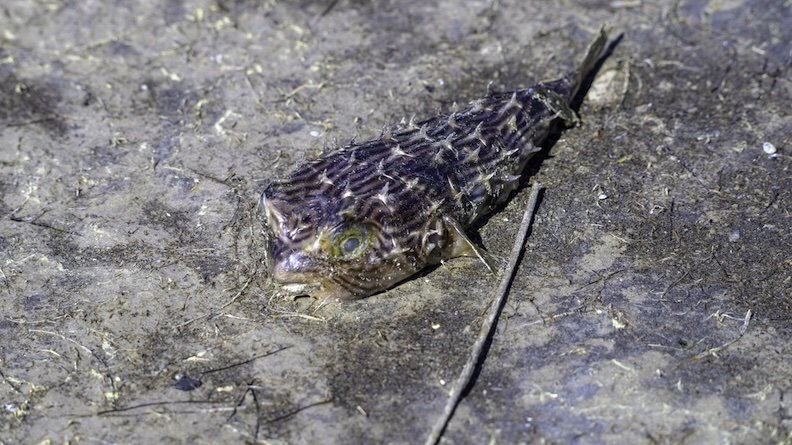
Striped burrfish - Indian River - 2/7/26
We headed out to Merritt Island NWR down Kennedy Parkway to check on the Bald eagle’s nest where we hoped to see progress at that site. At first, we only had the adults.
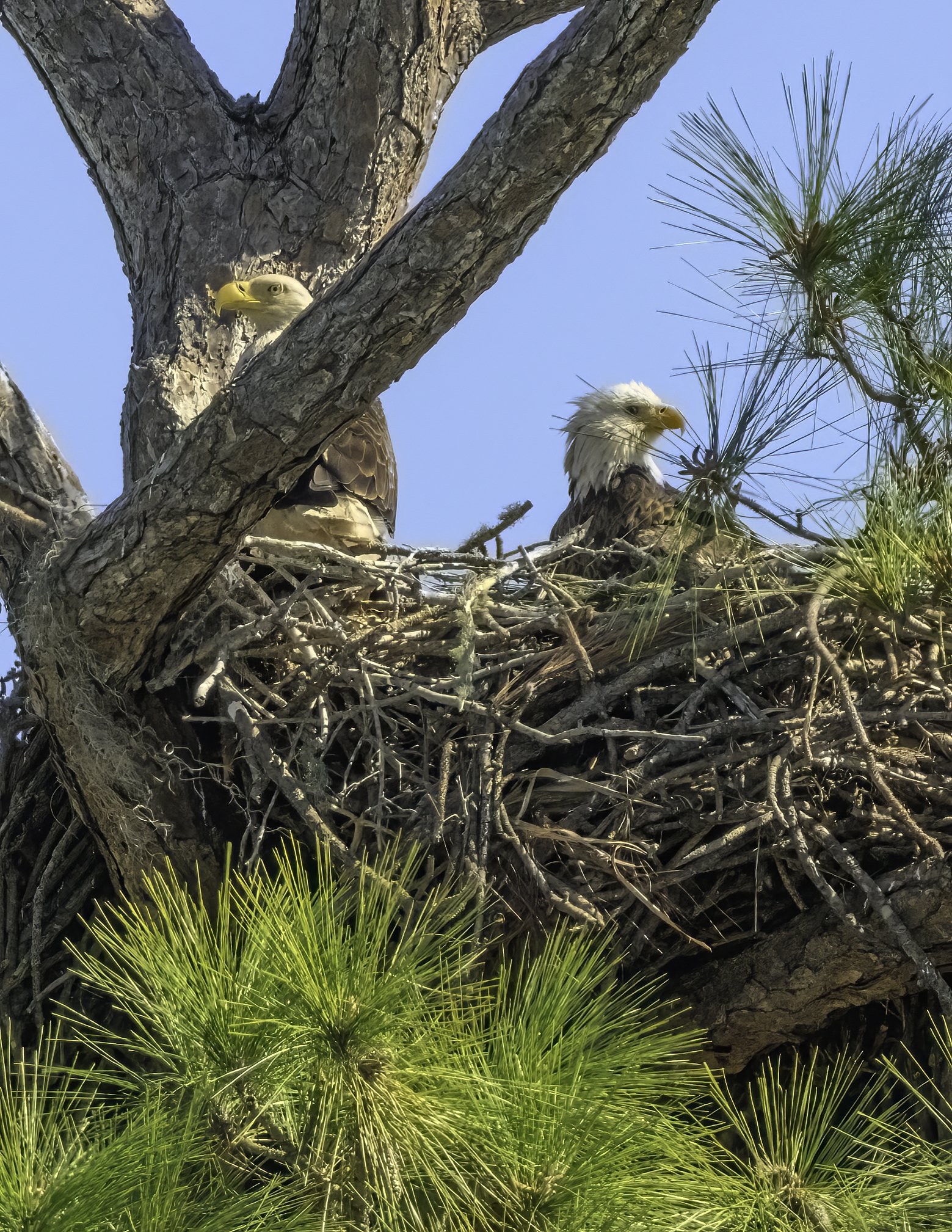
Bald eagle pair - Kennedy Pkwy Nest - 2/7/26
One adult flew off and the second seemed to be attentive to something down in the nest. With a little patience, sure enough a little head popped up and let Mom know he was ready for a snack. Before too long, the adult returned with sustenance for the little guy. Great to see that this nest is once again productive. This makes the second out of the 5 nests we started with that has produced young.
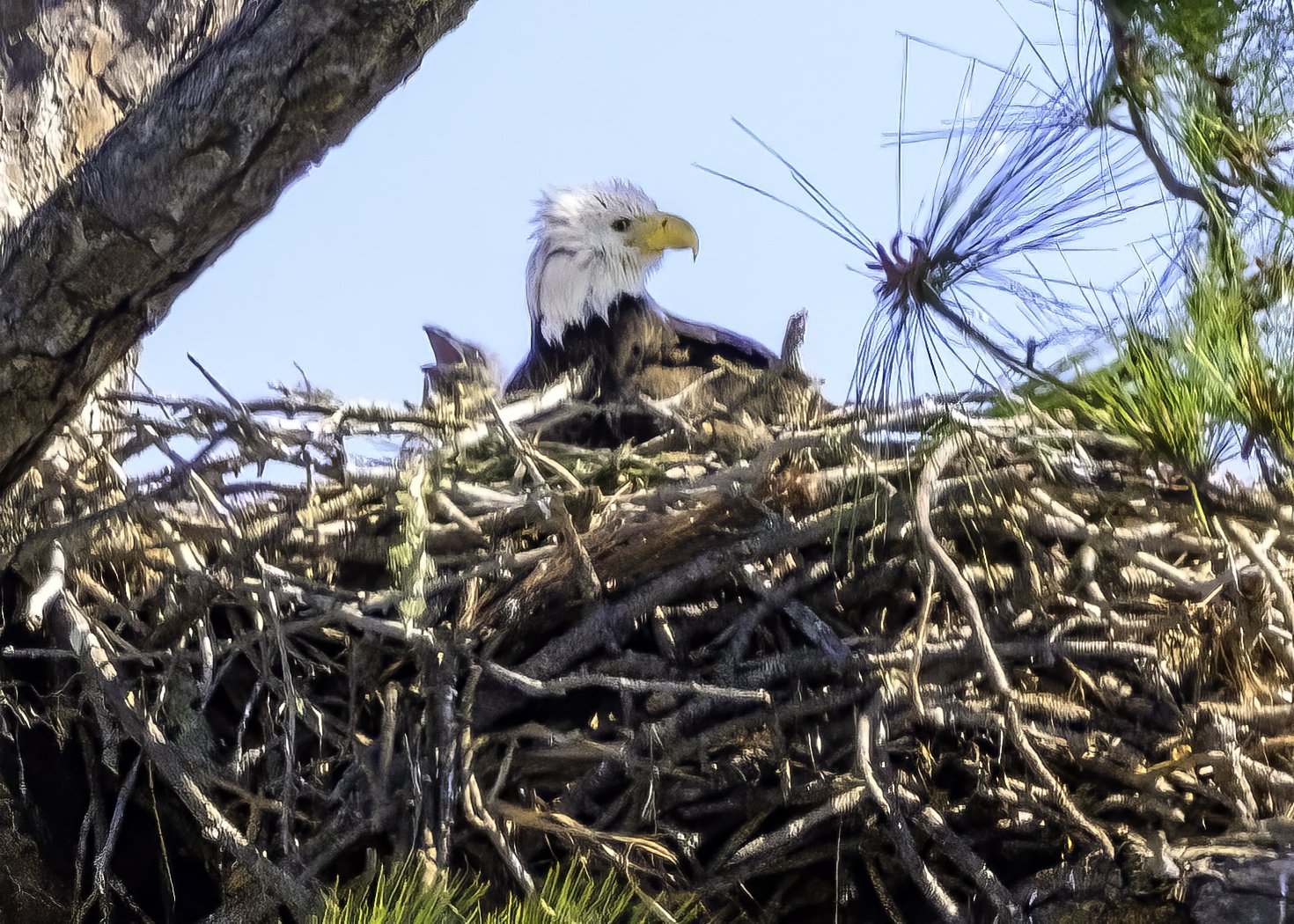
Eagle with chick - Kennedy Pkwy MINWR - 2/7/26
Next, it’s off to Bairs Cove Road to check on the next nest. This nest had been occupied by an eagle pair, but as we reported earlier, this nest was raided by Great horned owls who know lay claim to the site. Sure enough, both mom (on the nest) and pop (perched in a nearby tree) were present, but a volunteer who’s monitoring that nest said there was no apparent sign of any chicks at this point in time.
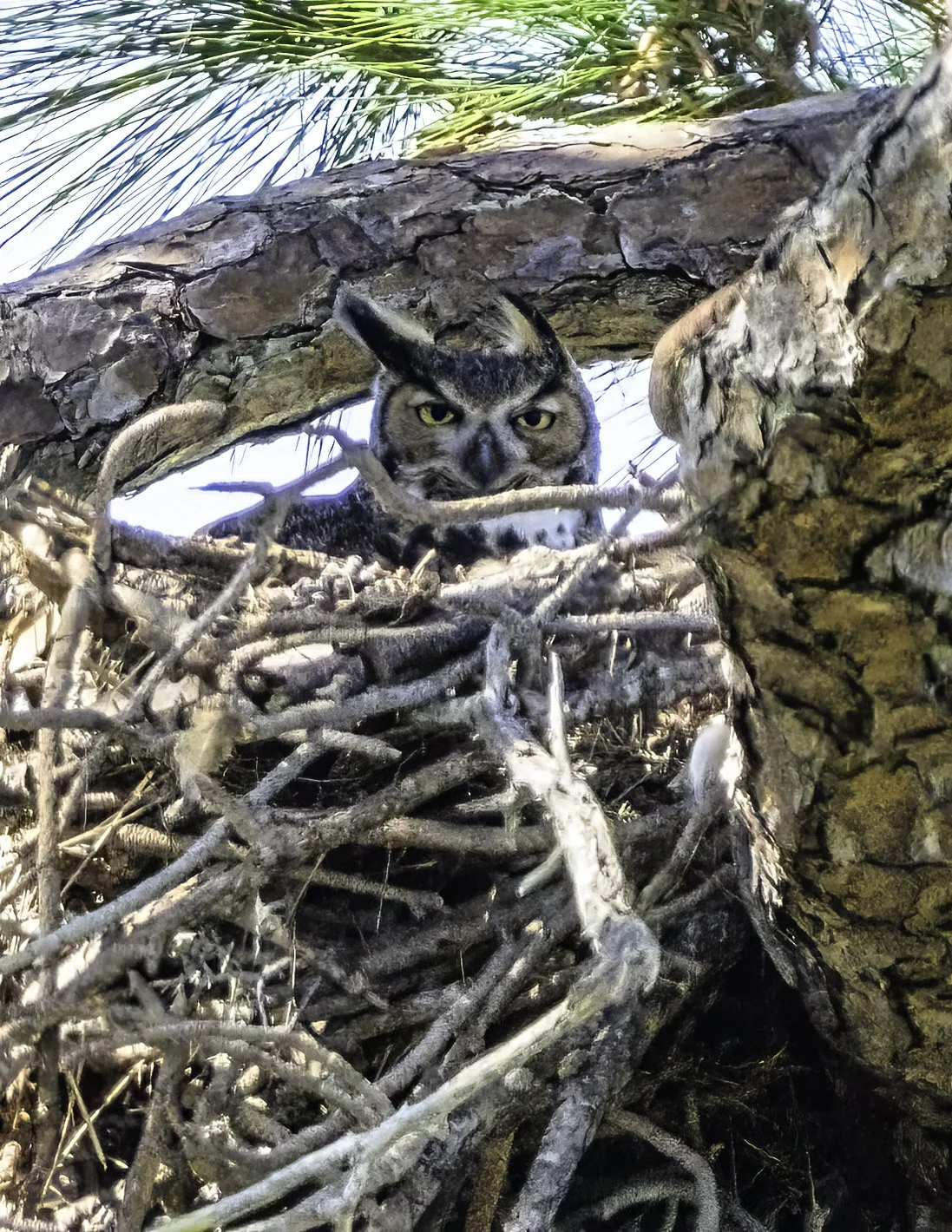
Great horned owl - Bairs Cove Road - 2/7/26
After a quick and rather non-productive tour down Peacock’s Pocket in Merritt Island, we headed toward home with a quick stop planned at Riverbreeze Park. We were rewarded with 15 species in 20 minutes. First was the Bonaparte’s gull fishing over the waters of the little pool on the north side of the fishing pier.
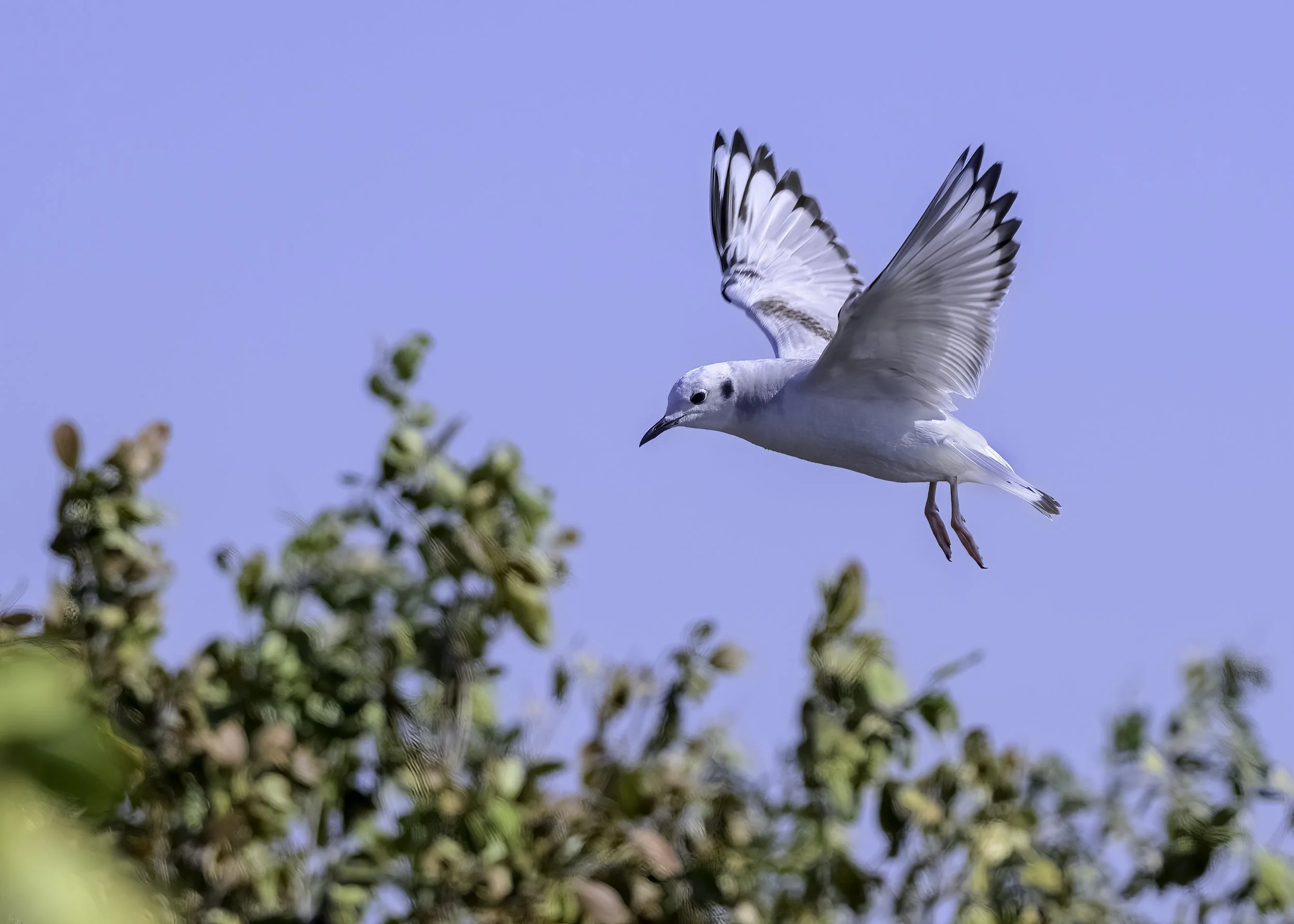
Bonaparte’s gull - Riverbreeze Park - 2/7/26
Our main target bird was the Yellow-crowned night-heron which used to be pretty much a “given” here in late January and early February. Lately….not so much. But today, we lucked out. Tucked away on the mangrove island were two individuals. 'With a little effort, we did find a better angle to photograph one of the individuals….beautiful bird.
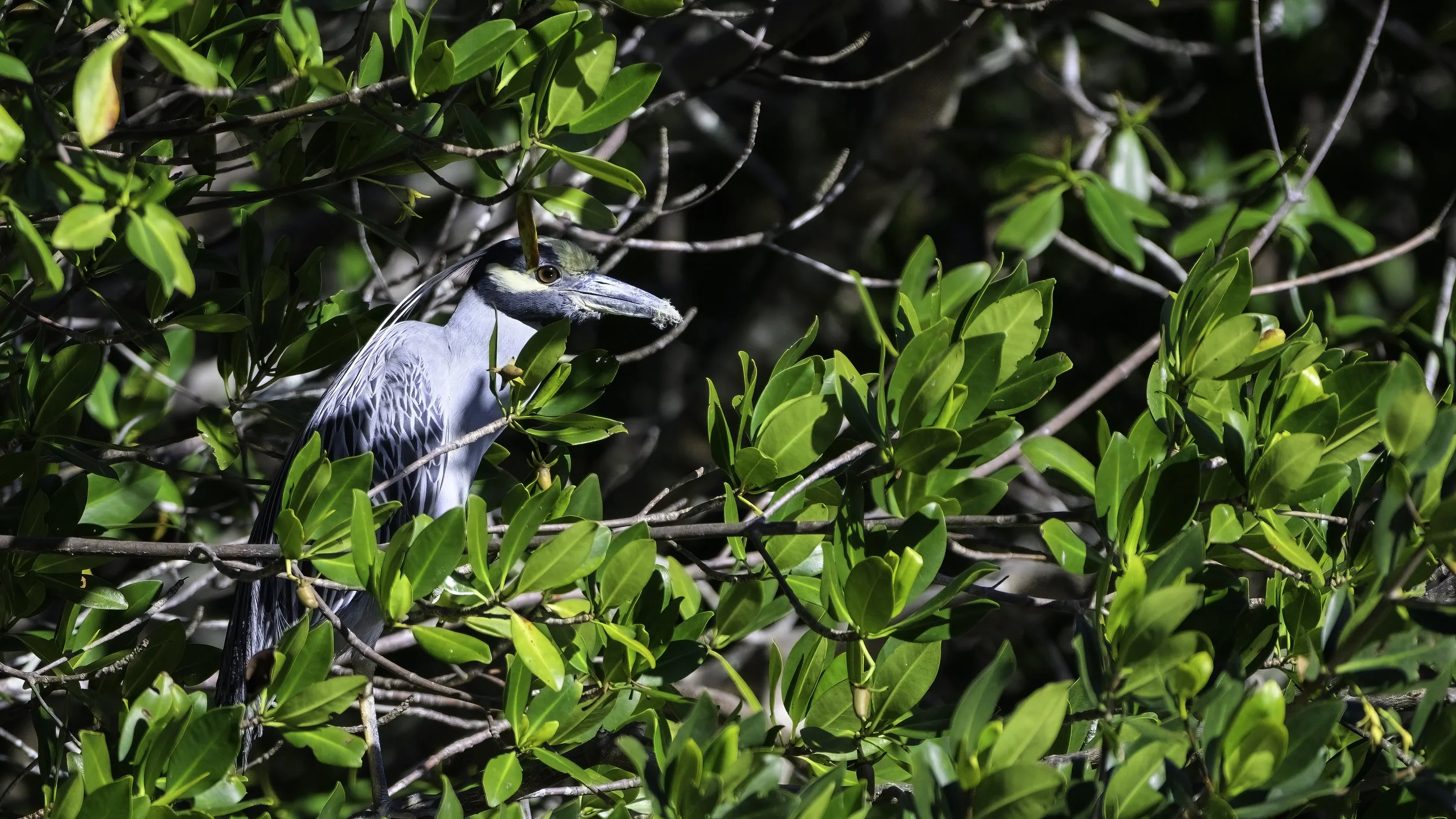
Yellow-crowned night-heron - Riverbreeze Park - 2/7/26
As if nature was ending our day with a “Beauty and the Beast” presentation, this Beauty was soon followed by the “beast”….a Black vulture. In reality, this is one beautiful flier, so perhaps the term beast is now really appropriate. But in any regards, the vulture gave us our final shot of the day. And a great day it was as we garnered close to 50 species on our quick tour of the nearby birding hotspots. A bit chilly, but sunny and successful. Can’t ask for much more than that.
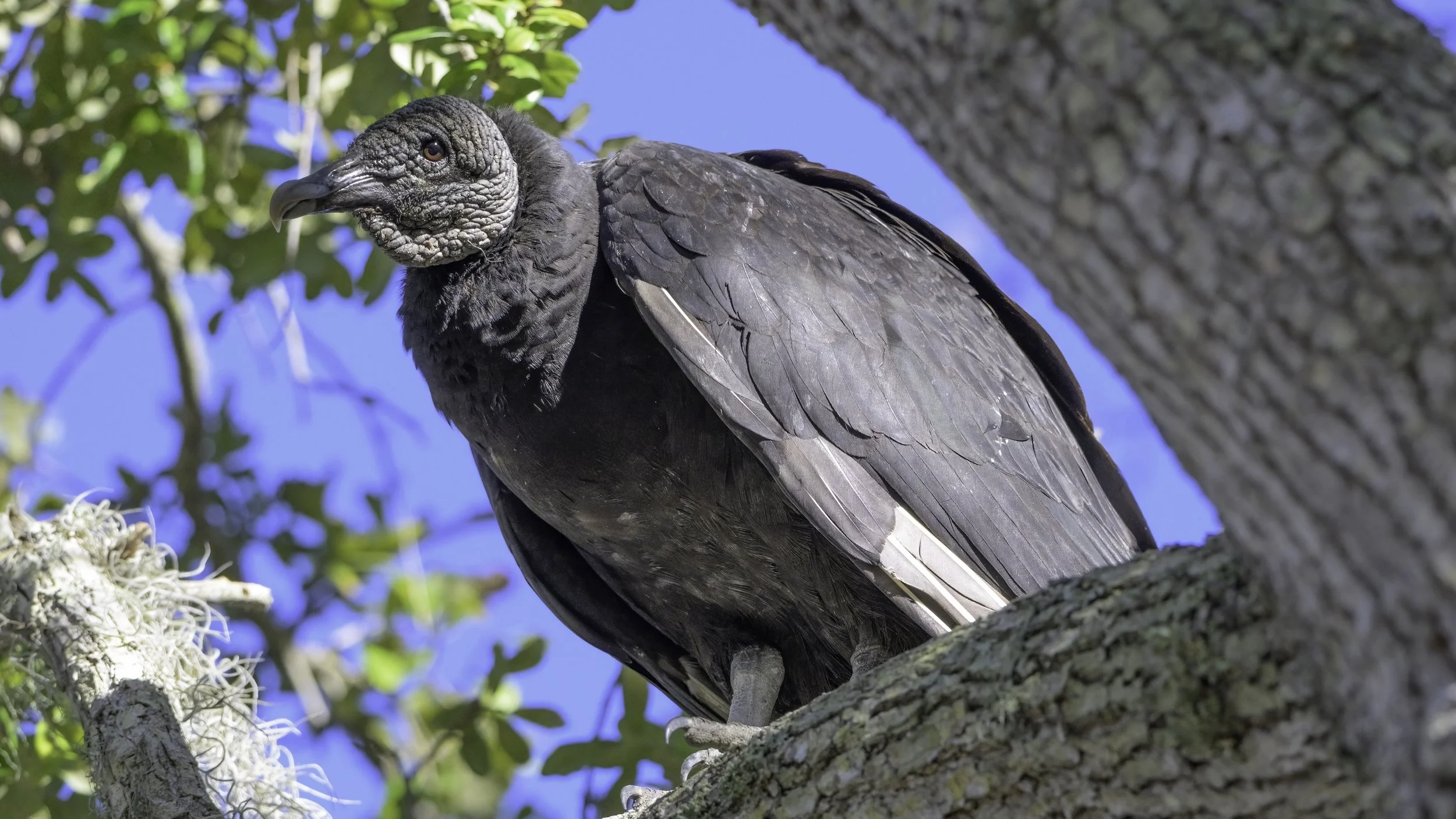
Black vulture - Riverbreeze Park - 2/7/26