A Day on the St. John’s River
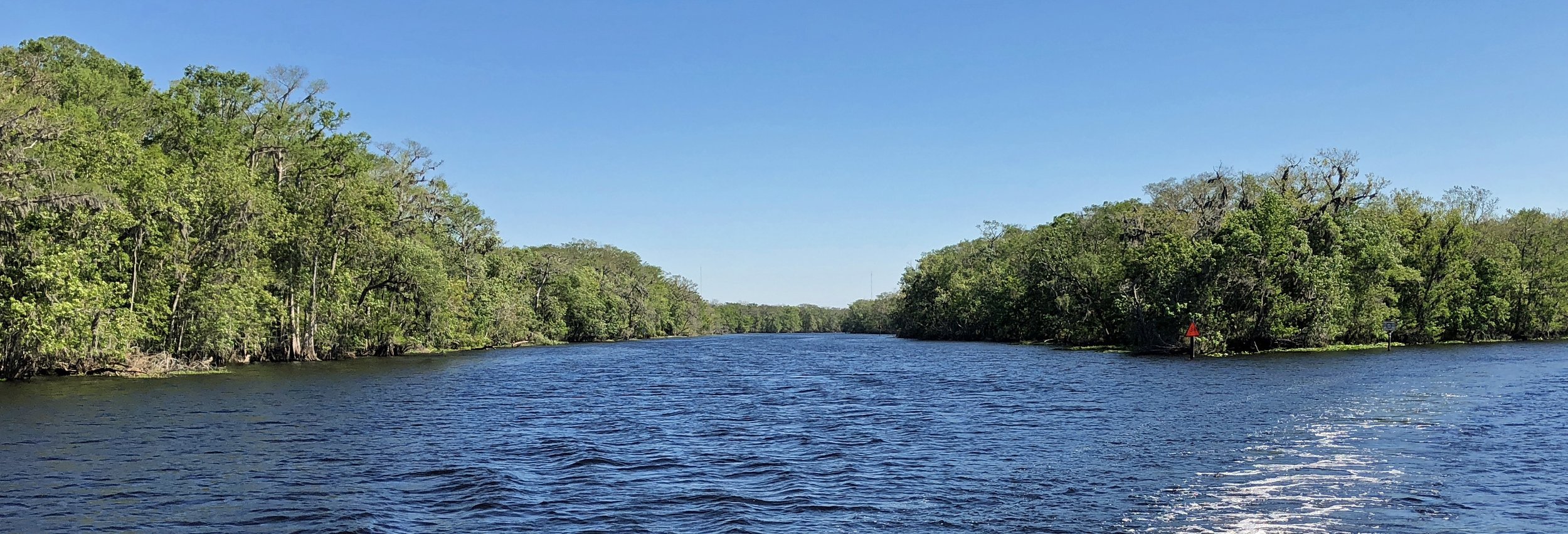
Today, we ventured out onto the pristine waters of the St. John’s River in DeBary, Florida. The temperatures today are in the low 60s, but it feels like mid-summer after the stretch of near-record lows we’ve had over the past week. We’re on Captain Colin’s Ecotour out of the Highbanks Marina, a company upon whose craft we have toured this beautiful stretch of water in the past. We were hoping for some special moments to capture with the camera, and we were not disappointed.
Sharon and I are traveling today with two great birding friends from back home in New York, Alan and Della. They are both great birders and Alan is a marvelous photographer. We love to share images and ideas with one another and today we are blessed to be sharing these photographic opportunities. Almost as soon as we left, Della spotted one of the day’s “target birds”, an American bittern.
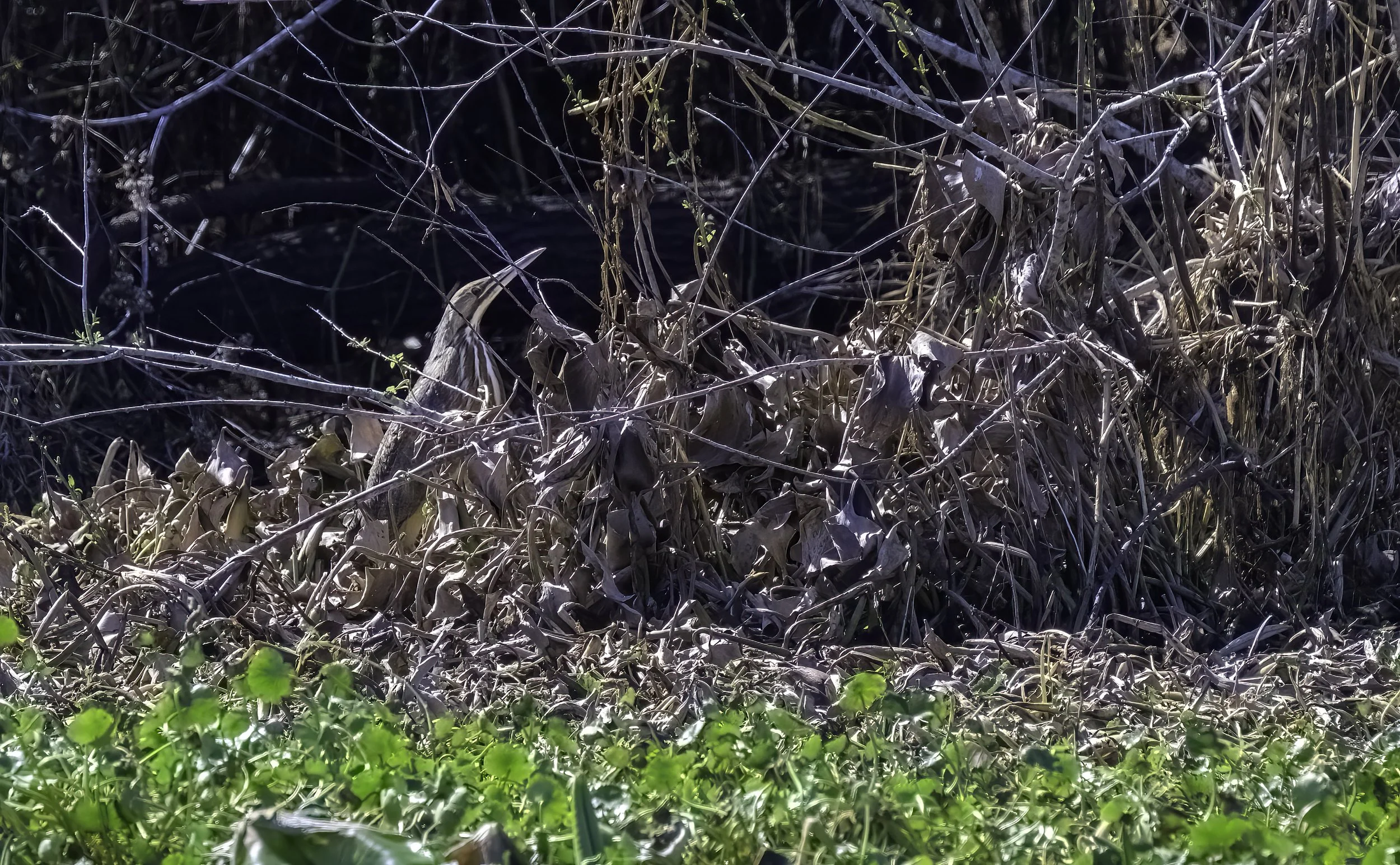
American Bittern - St. John’s River 2/4/26
The American bittern is a secretive, heron-like marsh bird known for its cryptic brown-and-streaked plumage and distinctive booming call that echoes across wetlands in spring and early summer; typically standing 2 to 3 feet tall with a thick neck and dagger-like bill, it feeds primarily on fish, amphibians, insects, and small mammals by standing motionless among reeds before striking prey with sudden precision. Expertly adapted to concealment, the bittern adopts a "freeze" posture as seen here—stretching its neck upward and pointing its bill skyward—to blend with surrounding cattails and reed stems, making it difficult to spot. We were excited to get such a good look….easy to capture a decent photo. Little did we know there would be plenty more where that came from.
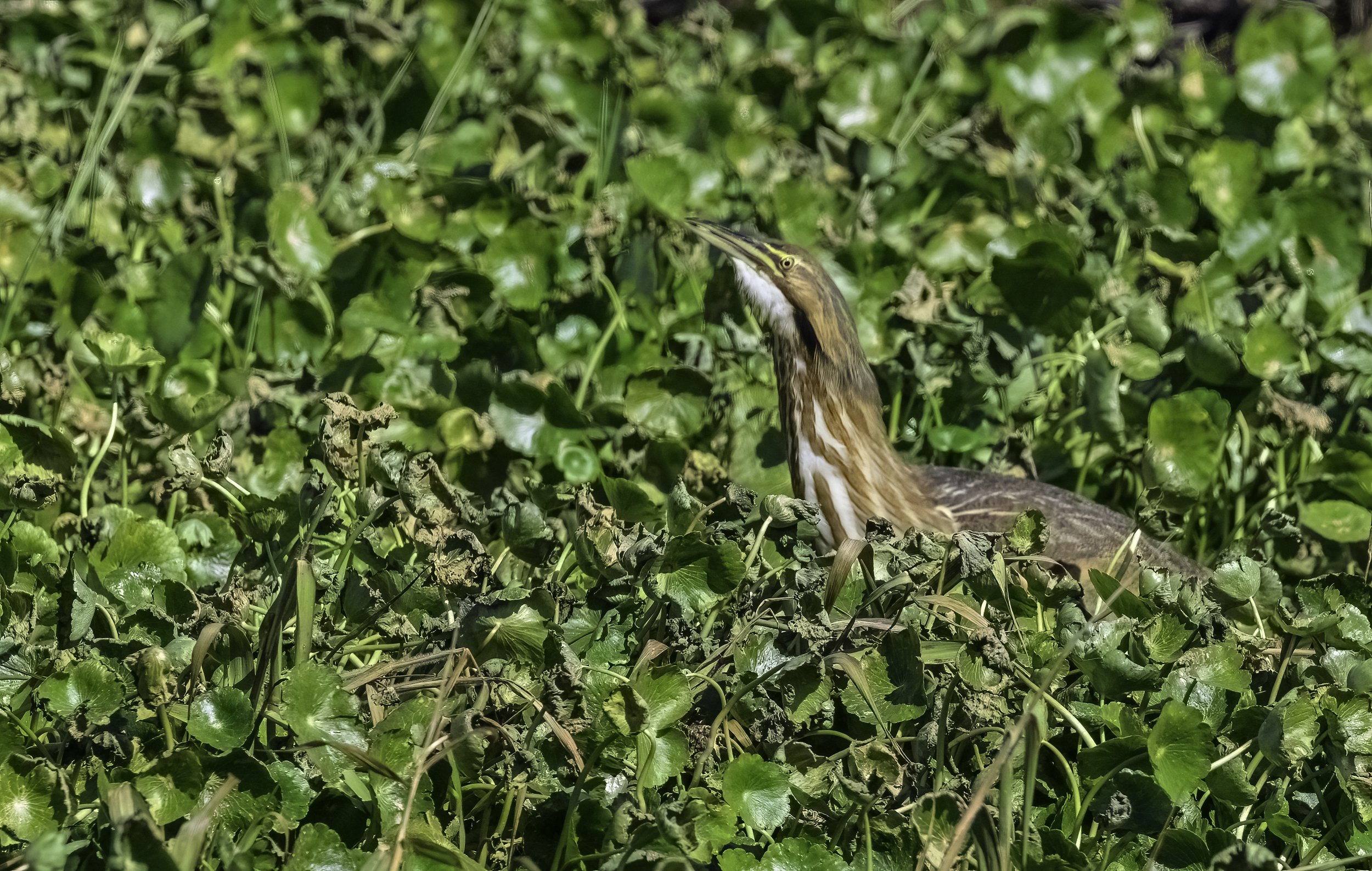
American bittern - St. John’s River - 2/4/26
After several more good sightings, this individual popped up right next to our pontoon boat giving us a rare close photo encounter. Nature was providing us with some unbelievable sightings. And speaking of unbelievable sightings……
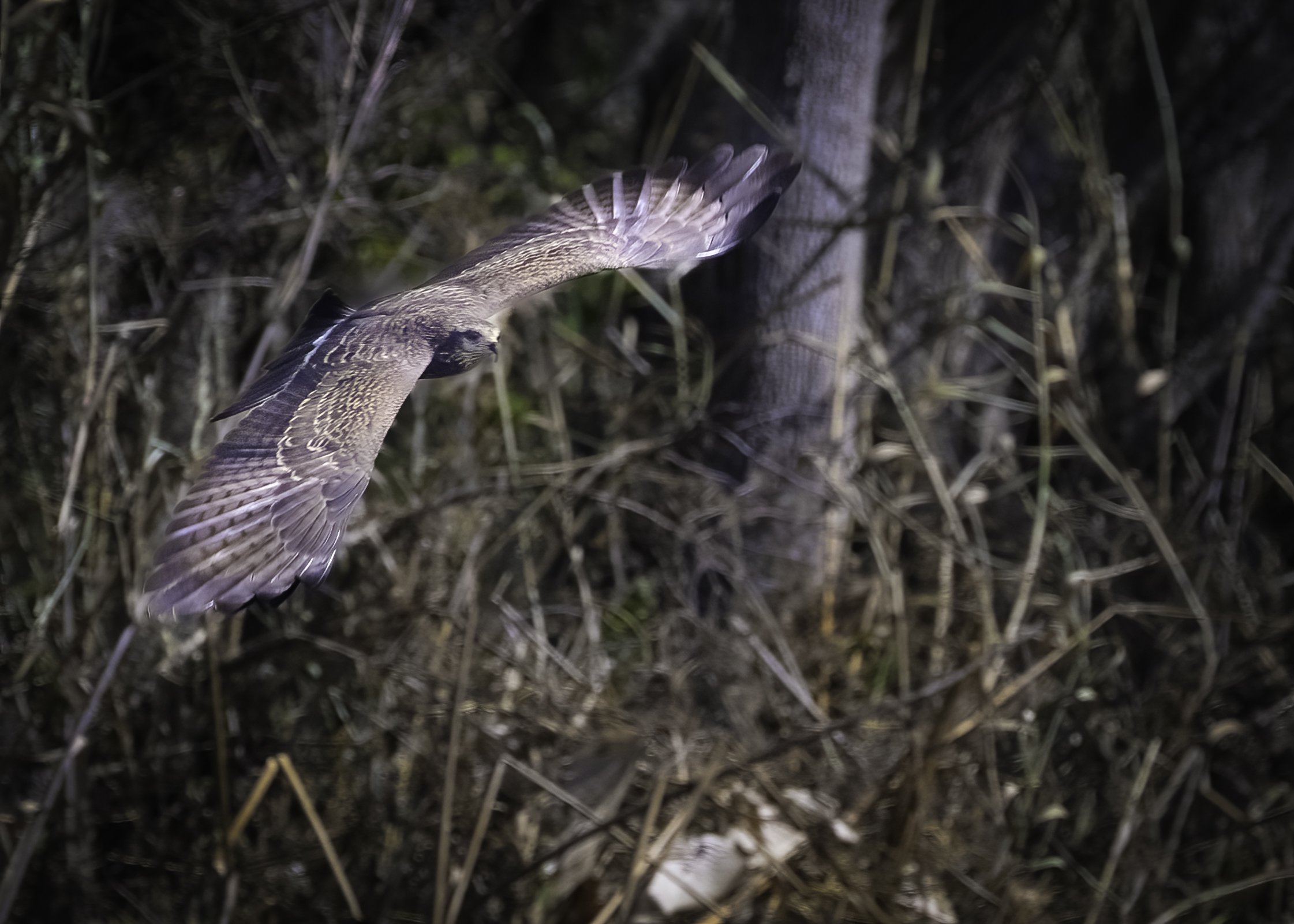
Snail kite - St. John’s River - 2/4/26
Over the years’s, we have travelled far and wide across the state in search of the Snail kite. This is truly a Florida specialty. Snail kites in Florida do not migrate and inhabit shallow freshwater marshes and grassy shorelines of lakes and rivers. They forage in clear and open areas so they can easily search for apple snails. Although Florida Apple snails (Pomacea paludosa) have become stressed in the state and are harder and harder to find, a new exotic species ,(Pomacea maculata), has spread across Florida wetlands and the snail kites have evolved to be able to eat these larger snails. They can once again typically be found throughout the state, but are still elusive. Today, however, we found no fewer than 7 individuals plying the waters of the St. John’s. What an unexpected and spectacular sighting.
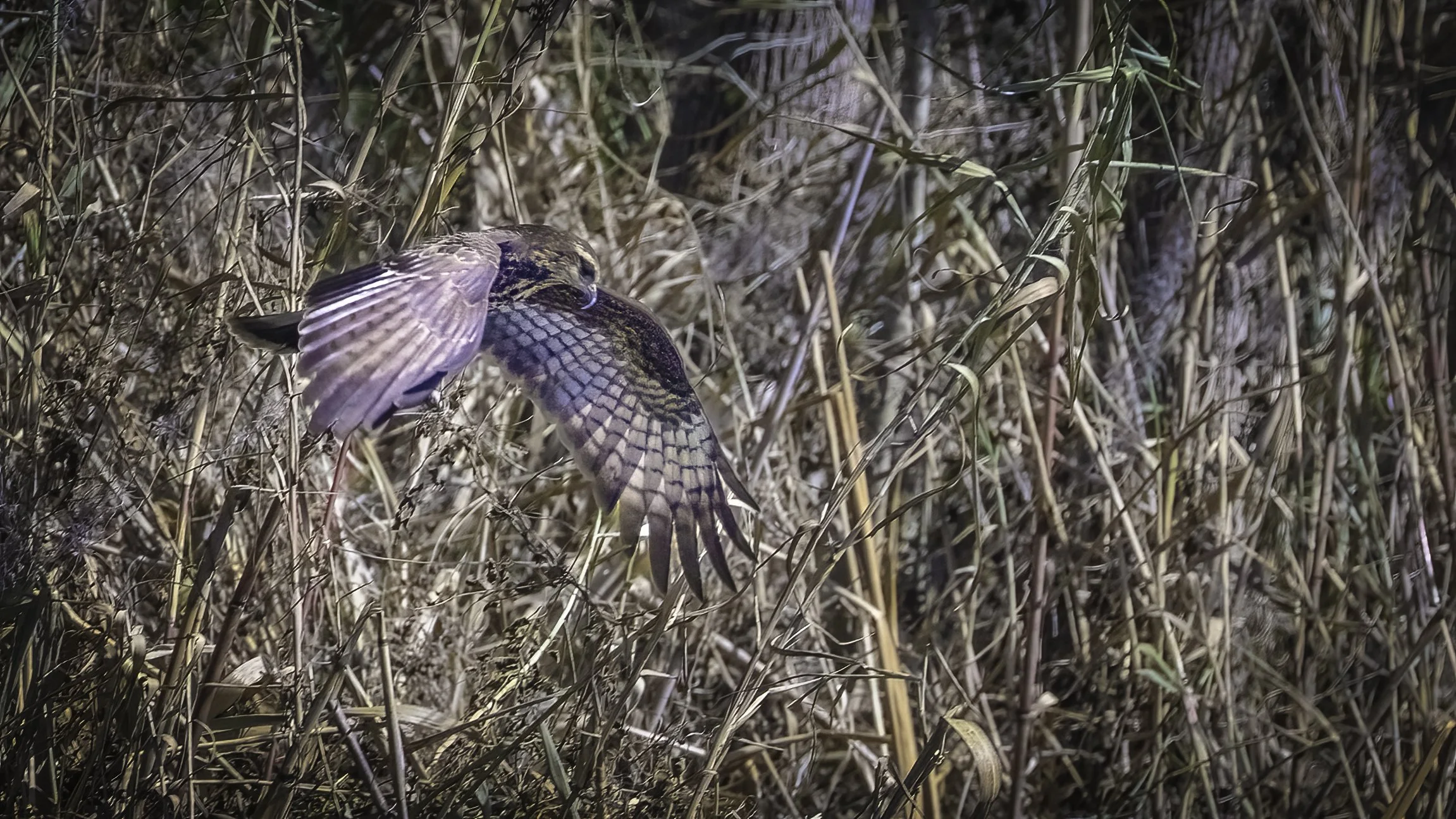
Snail kite - St. John’s River - 2/4/26
Another species which relies heavily upon Apple snails for its diet is the Limpkin. Often heard by its long eerie wailing cry before it’s seen, this bird was another which was quite prevalent here on the St. John’s today.
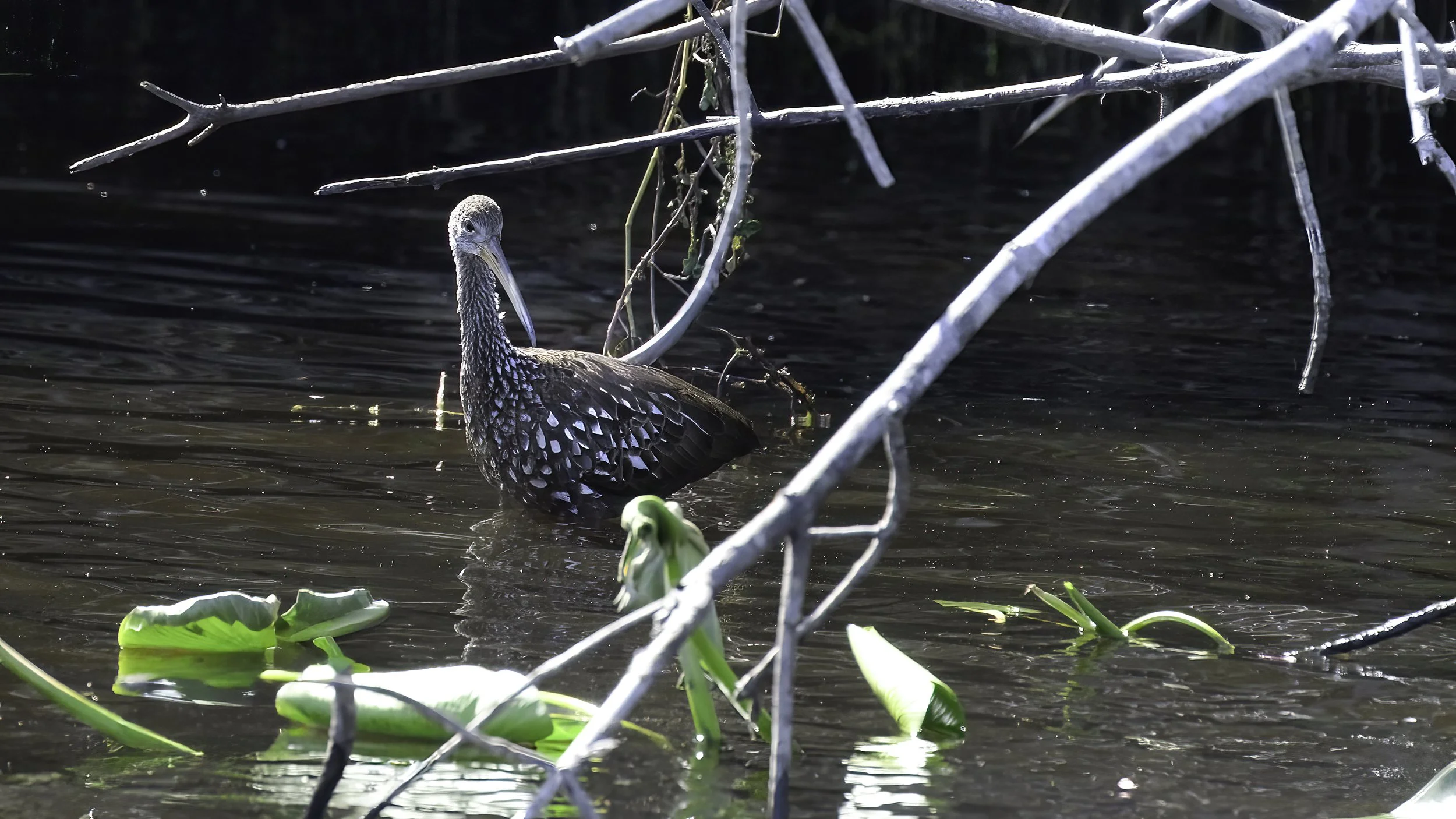
Limpkin - St. John’s River - 2/4/26
Here in Florida, many species breed during the early months of winter. The Limpkin is one of these species and we were treated to a sighting of a Limpkin tending to its young along the banks of the river. The adult would find a snail along the muddy banks and then bring it up to here offspring and show them how to extricate the delicate morsel found within the shell. What a treat to see these little chicks.
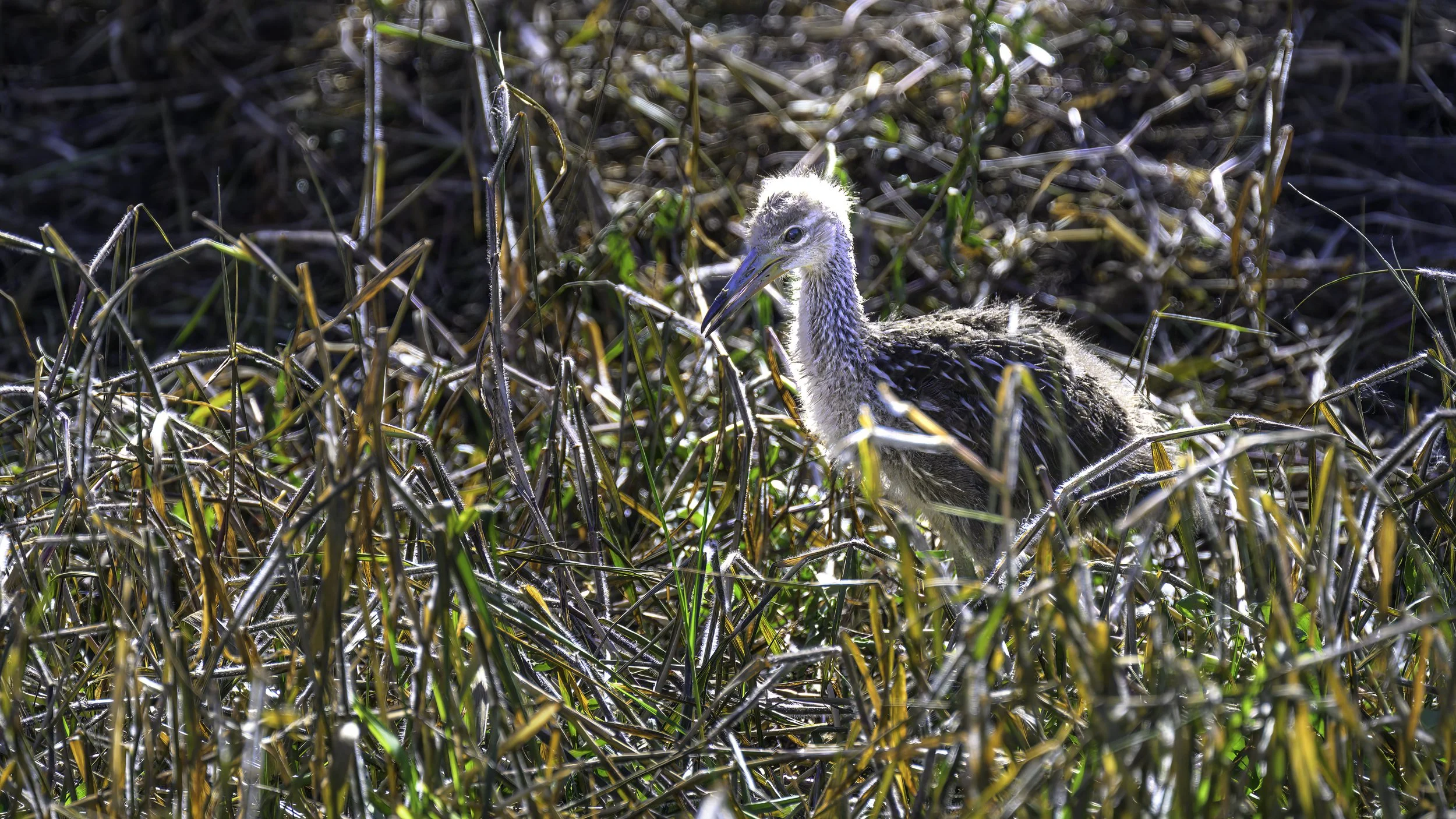
Limpkin chick - St. John’s River - 2//4/26
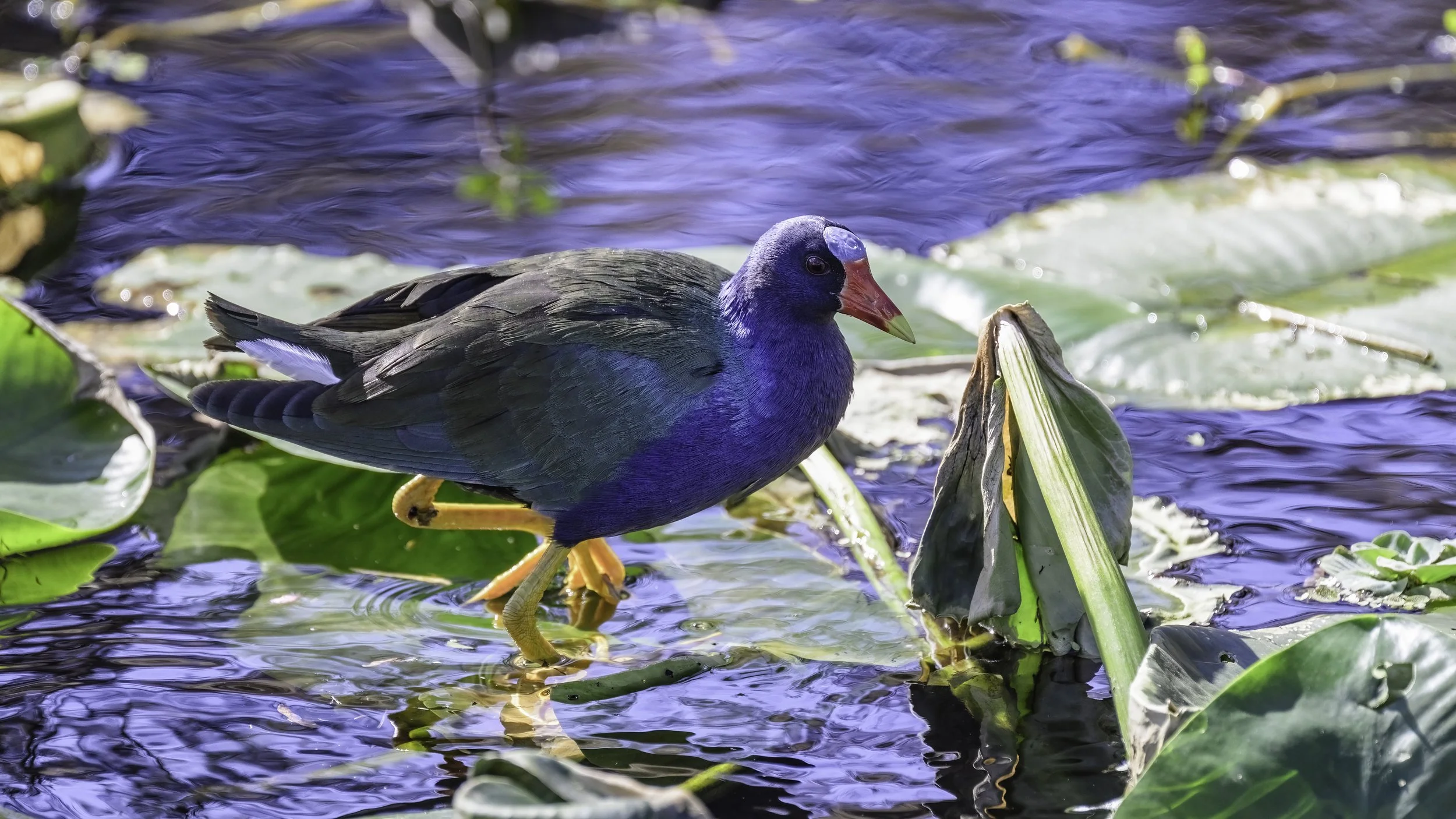
And last , but certainly not least, we finish off today’s posting with an image of another not-so-common bird, the Purple gallinule. It’s hard to capture the iridescence of the plumage of this bird on camera, but in the field and in the right lighting, the bird literally glows. The easiest field marks to use in identifying this bird is the purple shield above its bill and the lack of a white slash along its side that would be found on the Common gallinule. It’s always great to cruise along the waters of the St. John’s River, but today seemed especially remarkable with the bittern, the kite, the little limpkin chick, and other sightings of manatees, gators, turtles, and so forth. Just another day in Paradise.