Early fall
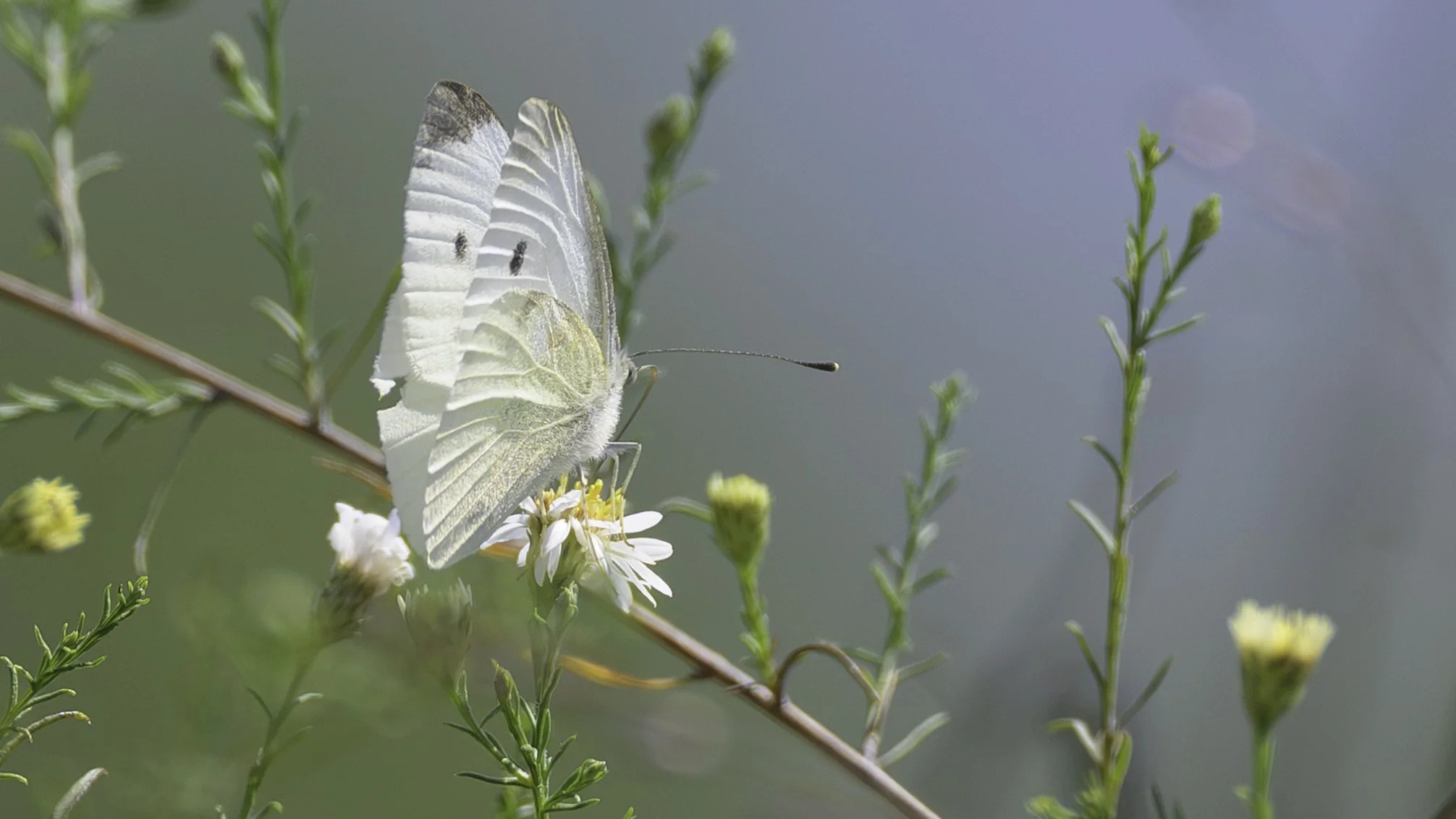
Cabbage white - Bear Mt Hawkwatch - 10/2/26
We’re finally into the fall season, but right now it is pretty quiet. The mass movement of Broadwinged hawks has passed and the Sharpies and Coopers are drifting by in small numbers and mostly at heights too distant to afford decent photo ops. Two fliers that are not in short supply are the number of Spotted lanternflies and Caggage white butterflies. Holding a pair of binoculars to your eyes and simply looking out into the sky, the field of view is constantly broken by the passage of one or more of these two insects.
During these Fall months, the most recent broods of Cabbage whites are slightly smaller, have less yellow markings and dark wing marks which indicate the final brooding cycle of the year. Cooler autumn weather triggers this distinct short-day form. These butterflies will be with us up on the mountain until the first hard frost. The pupa will overwinter in the forms of a chrysalis until spring triggers their reemergence as these pretty little members of the Lepidoptera order,
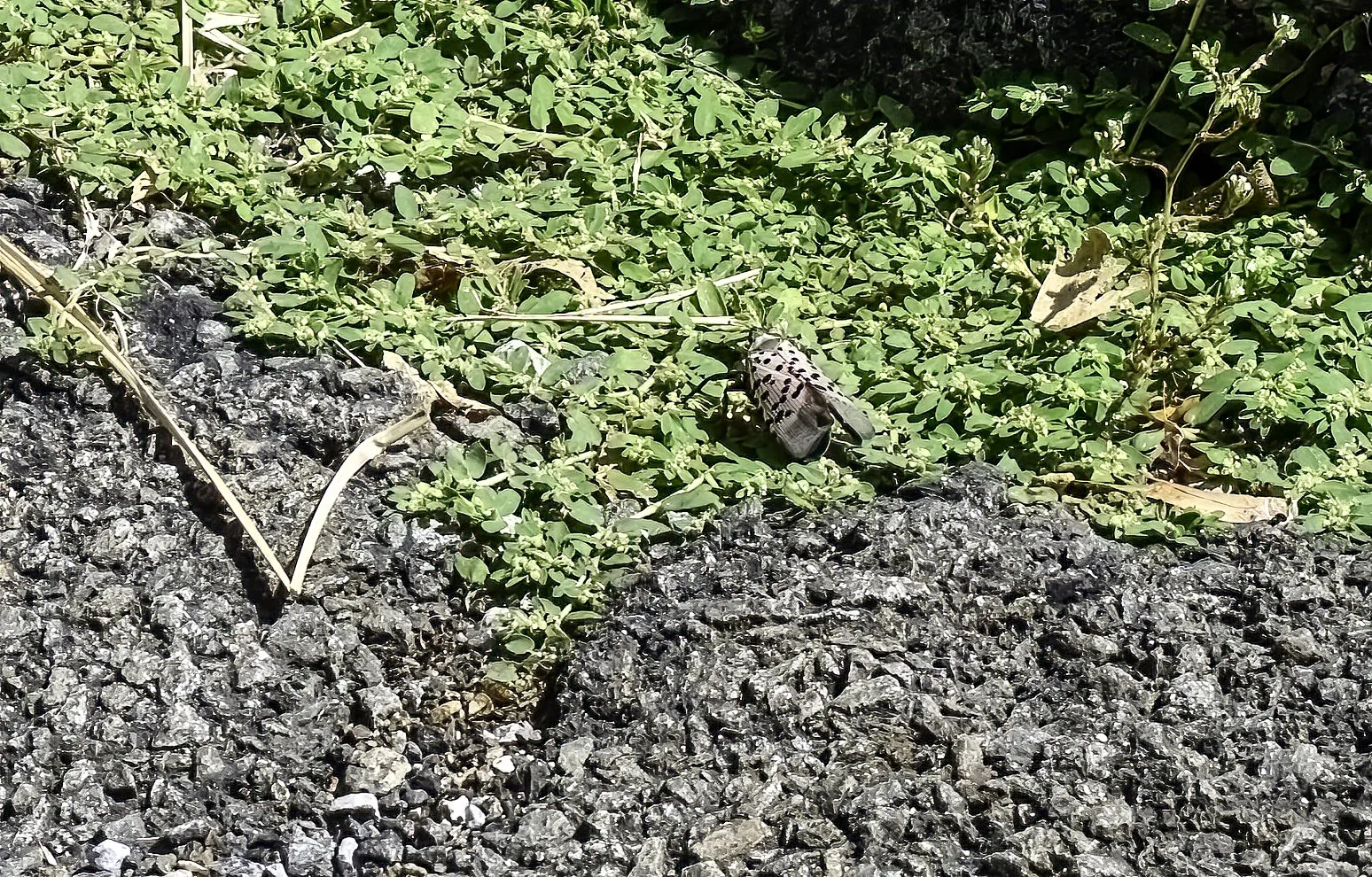
Spotted Lanternfly - Bear Mt Hawkwatch - 9/26/26
The Lanternflies are more and more abundant as the season wears on. Like the Cabbage whites, these invasive insects will persist until the temperatures drop to the hard frost mark. They are quite active during this month, laying their eggs in October. At this time of year, we are constantly brushing them from our hats, foreheads and necks as they land anywhere and everywhere they please. Reportedly, Bluejays have developed a taste for these critters, but there are certainly a great many more lanterflies than bluejays right now!
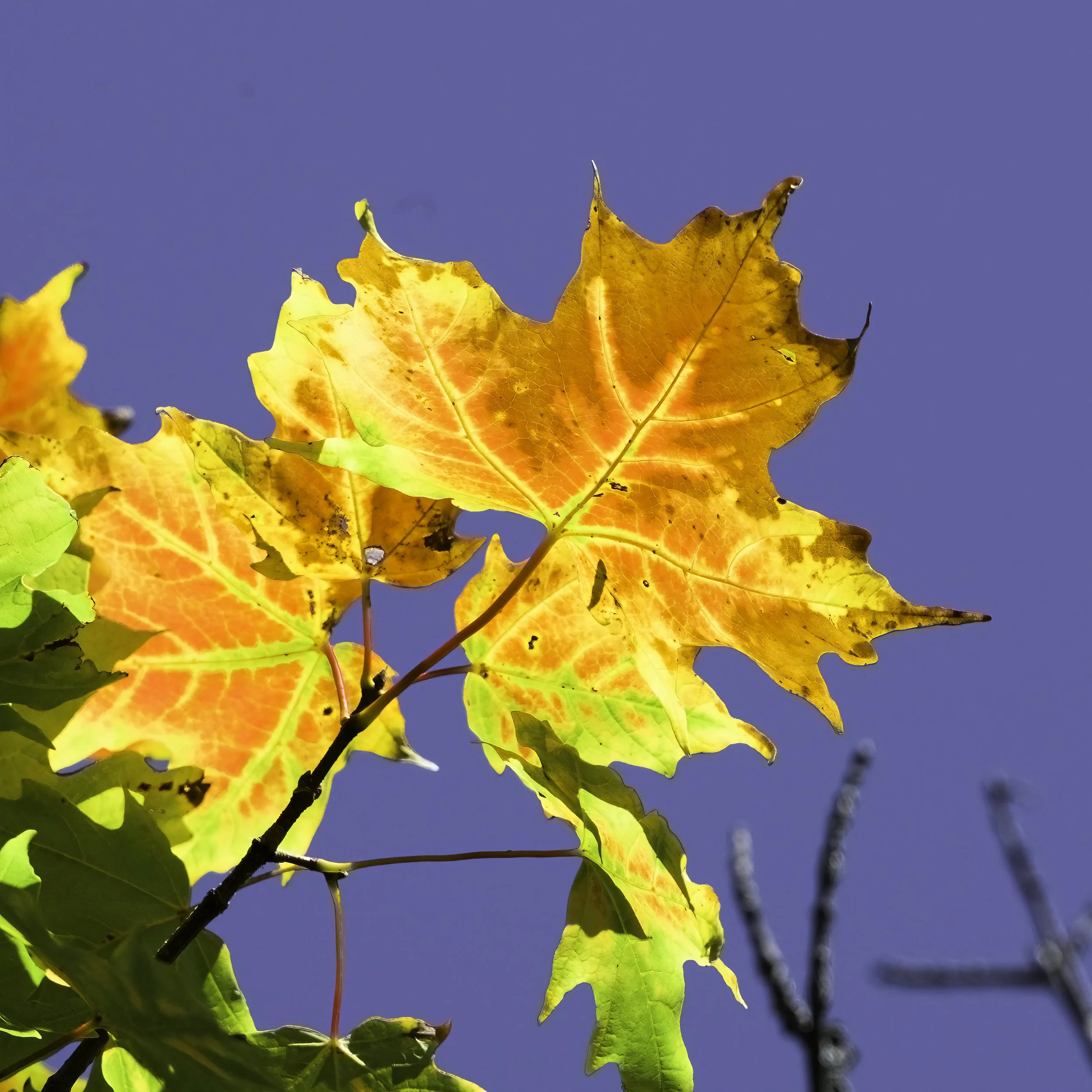
Sugar maple - Bear Mt Hawkwatch - 9/11/26
Leaf peepers are not getting their dose of fall color yet. Here in the valley, it’ll be a couple of more weeks before we hit peek colors and thus far, it is only a rare tree or in some case branch that has begun to change. The image of the Sugar maple leaf above was taken almost tree weeks ago, but the rest of the tree is still all green. The leaf may have already changed, but it is surrounded by a sea of green. Patience….this could be a very good year for autumn leaves.
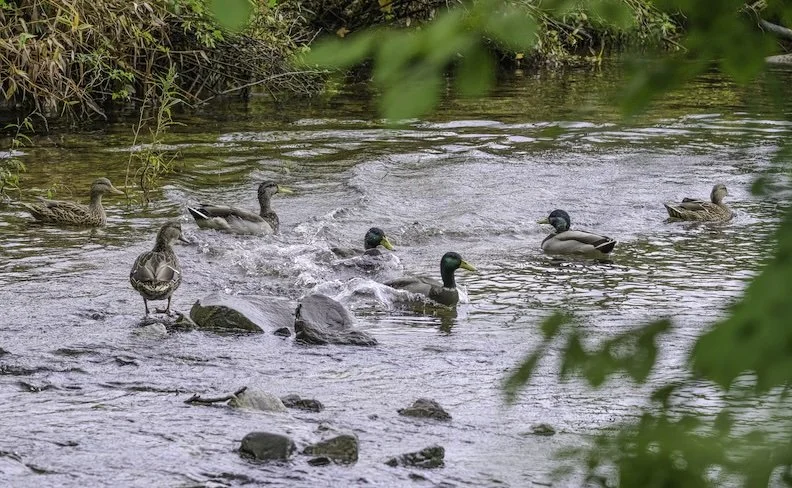
Mallards - Doodletown Bight - 9/29/26
While the sight of mallards in southeastern New York is not uncommon in the summer, groups of a dozen or more are are not regularly seen. During the fall months however, many mallards will flock together flying in V-formations to conserve energy. During these trips south, they will often stop at wetlands such as Doodletown Bight at Iona Island where they will rest and feed. Such was the case earlier this week when we came across more than a dozen feeding in the shallows of the terminus of Doodletown Brook. As I approached, they detected my presence and took to the air.
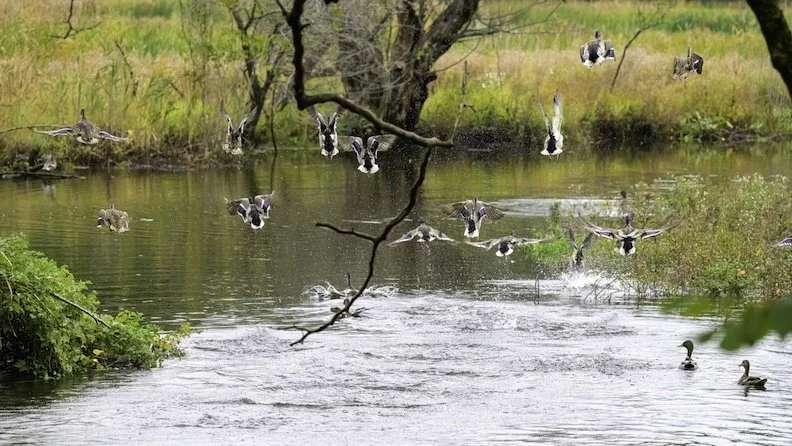
Mallards in flight - Doodletown Bight - 9/29/26
As these birds took to the air, another fall rarity appeared from the tall vegetation to the north.
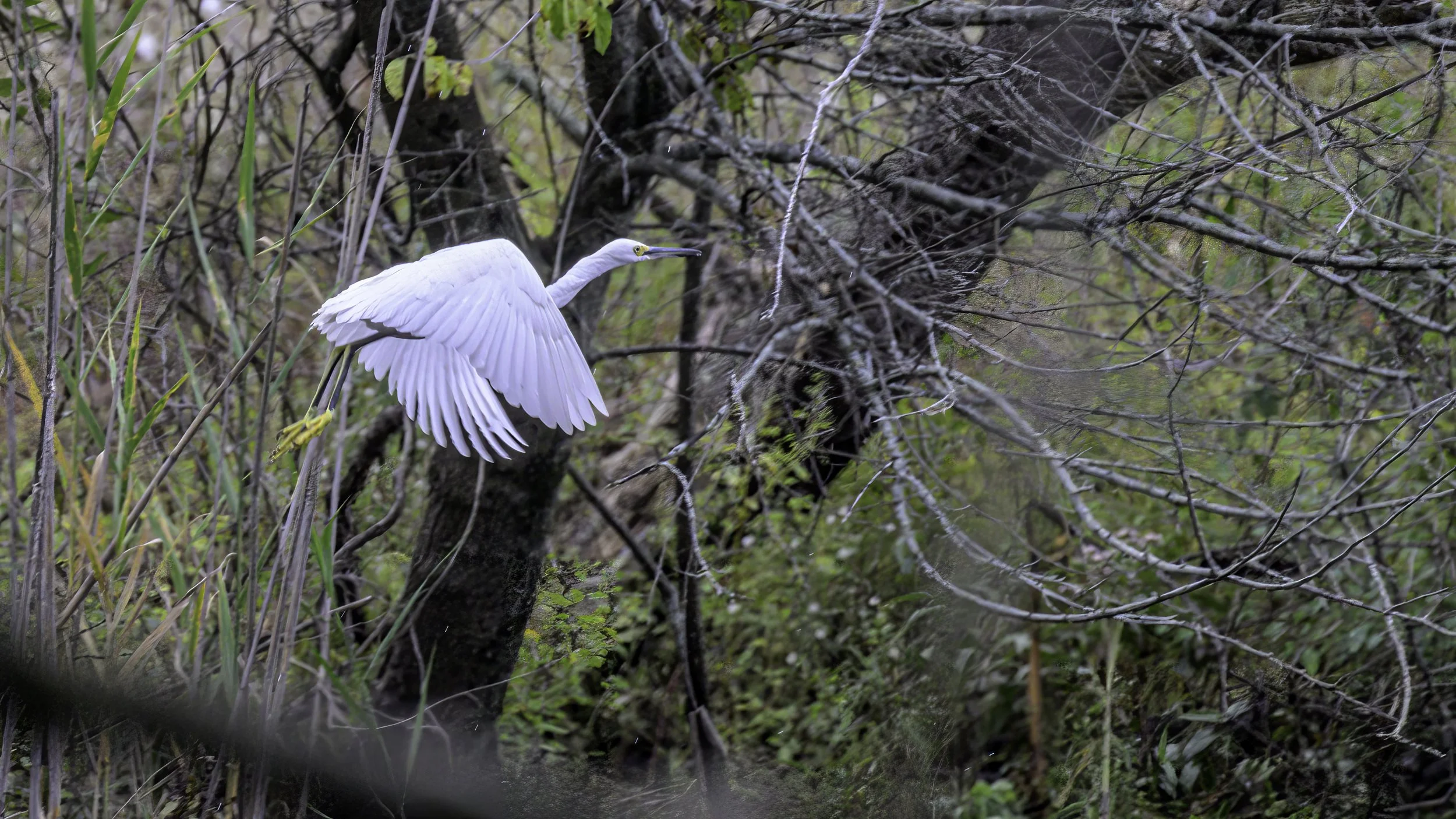
Snowy egret - Doodletown Bight - 9/29/26
The Snowy egret is not commonly seen in the wetlands of SE New York, but during the fall migration, these birds like our mallards will also be heading south. Each autumn, Snowy Egrets trace a graceful corridor through southeastern New York, turning wetlands and tidal marshes into fleeting galleries of white. With their black legs and golden slippers, they are easy to pick out from other white waders which may pass through at this time of year. It is always a good idea to keep checking out the wetlands during this time of year for the migrating waterfowl, shorebirds and waders.