New Arrivals & Departures
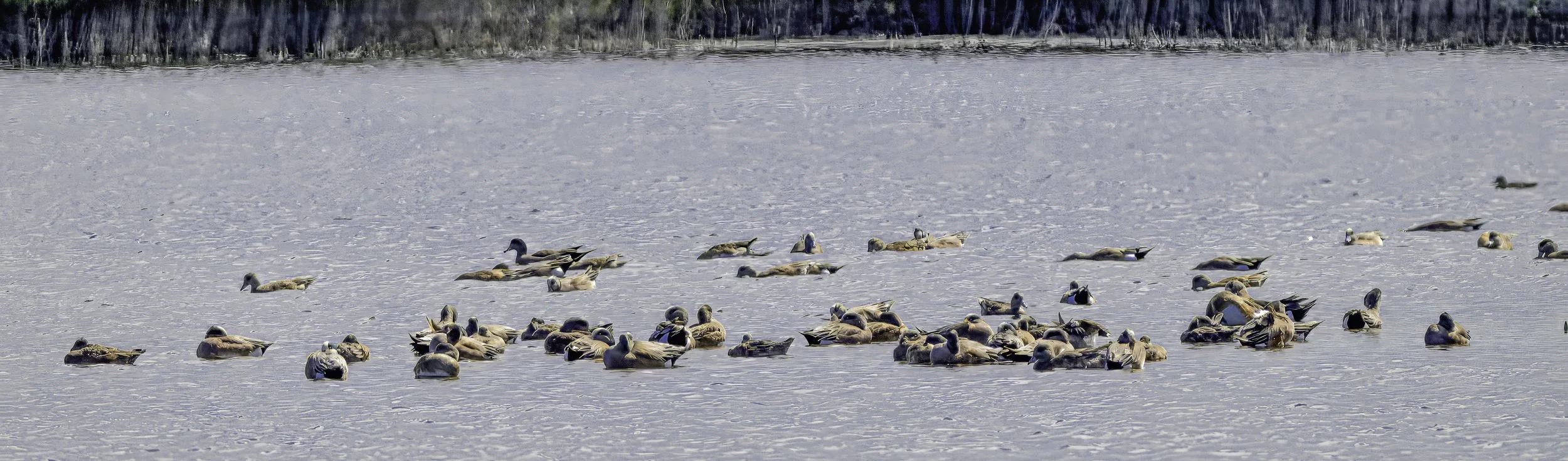
Wigeons - Black Point Drive - 3/1/26
We are once again cruising around Black Point Wildlife Drive in Merritt Island National Wildlife Refuge. This is a park with a dynamic cast of characters. As the seasons change and we work our way towards spring, early migrants are already appearing on their way north as other winter visitors have already departed. Today, a nice size assemblage of American wigeons were on site. Wigeons will winter in Florida and points south down to Central America. eBird indicates that these birds are seen here in MINWR along Black Point primarily during late February and early March, so it appears that they will be departing from this area soon. Great to see then while they are here! Careful examination of these flocks revealed a few Eurasian wigeons sprinkled in among the flock as well.
Another nice sighting today was that of this bonded pair of Northern Pintail. These birds will soon be heading back to their breeding grounds in the Prairie Pothole Region of the north-central United States, central Canada and Alaska, so we relish each sighting of these stately fowl during the late winter month here in Florida.
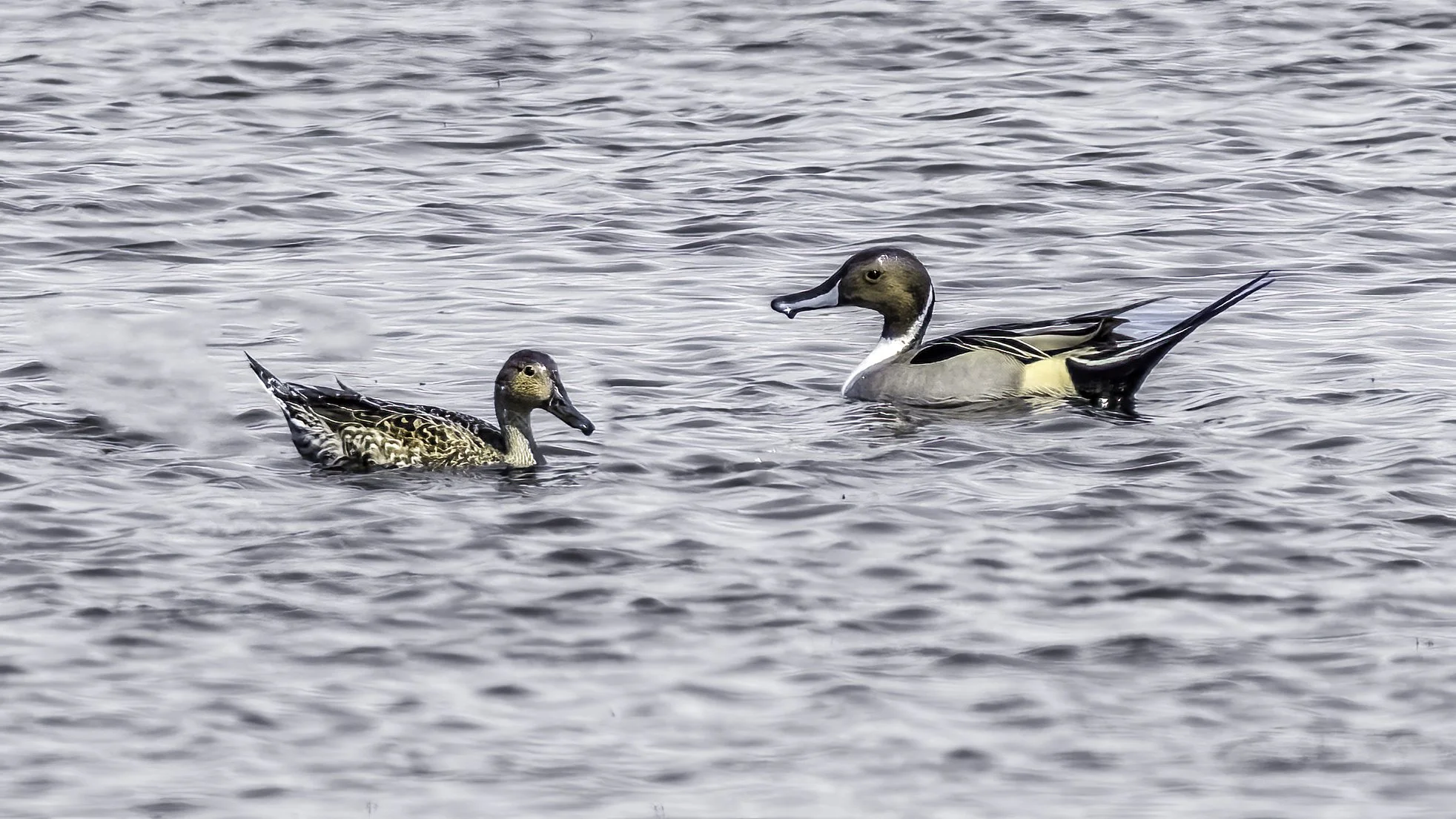
Pintail pair - Black Point Drive - 3/1/26
Another winter specialty here in Central Florida that will soon be heading north is the White pelican. These huge birds gather together in massive flocks as they “stage”…..get ready to fly en masse back to their breeding grounds in the central and northcentral regions of our country. The wingspan of these birds can reach 10 feet, making them second only to the condor of California in size.
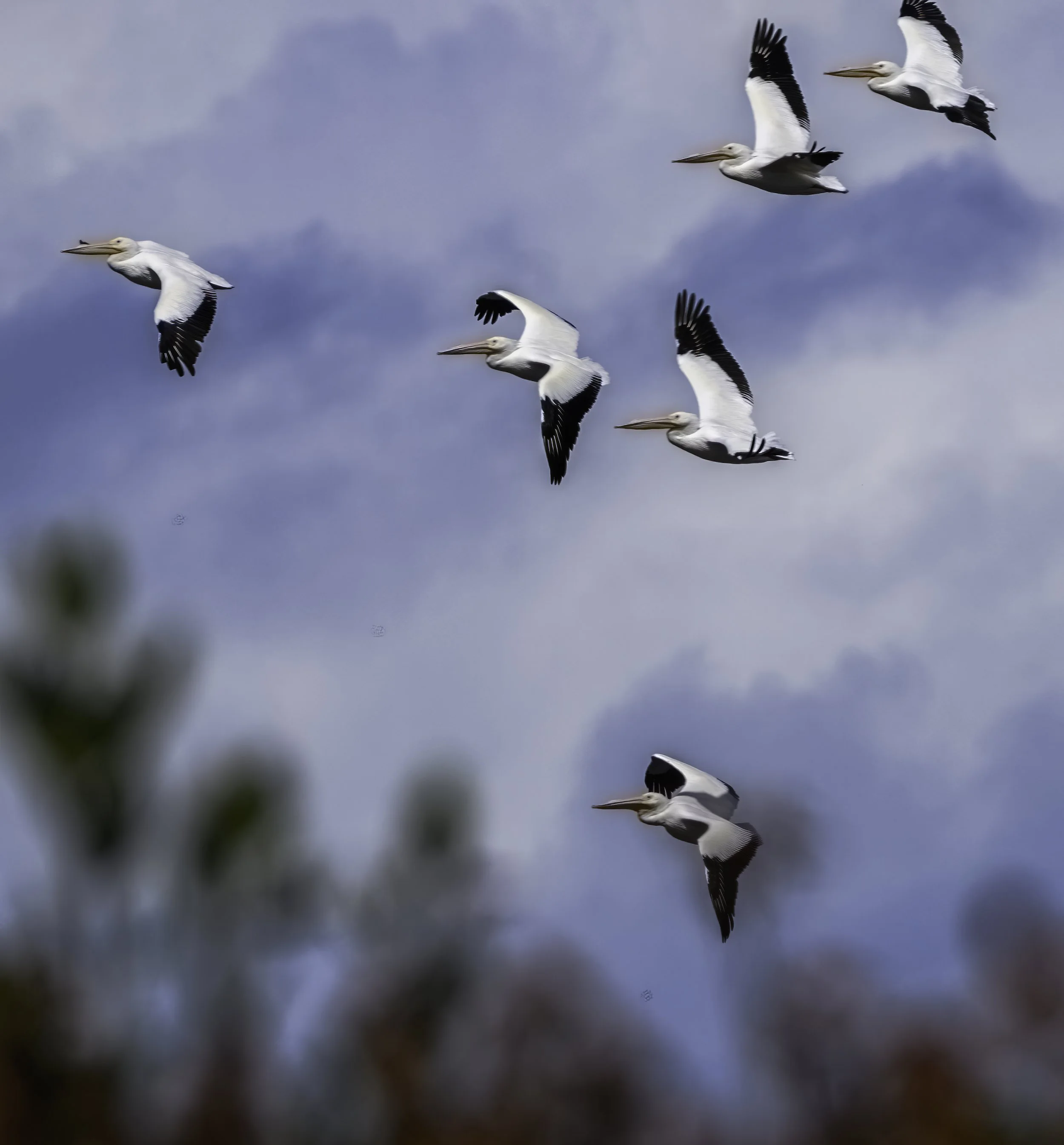
White pelicans - Black Point Drive - 3/1/26
The Black skimmer is a bird which can be found during most of the year at Merritt Island, so we can expect to have sightings of him as long as we remain here in Florida. Black skimmers feed by flying low over calm water with their unusually long lower mandible skimming just below the surface. When the lower bill contacts a fish or other prey, the bird snaps its shorter upper mandible shut, capturing the item. They often feed in single birds or loose groups, using steady, shallow wingbeats and pointing their heads slightly downward to maintain the bill’s position in the water while relying on touch rather than sight to detect prey. Feeding typically occurs in sheltered coastal waters, estuaries, and lagoons where small fish come near the surface.
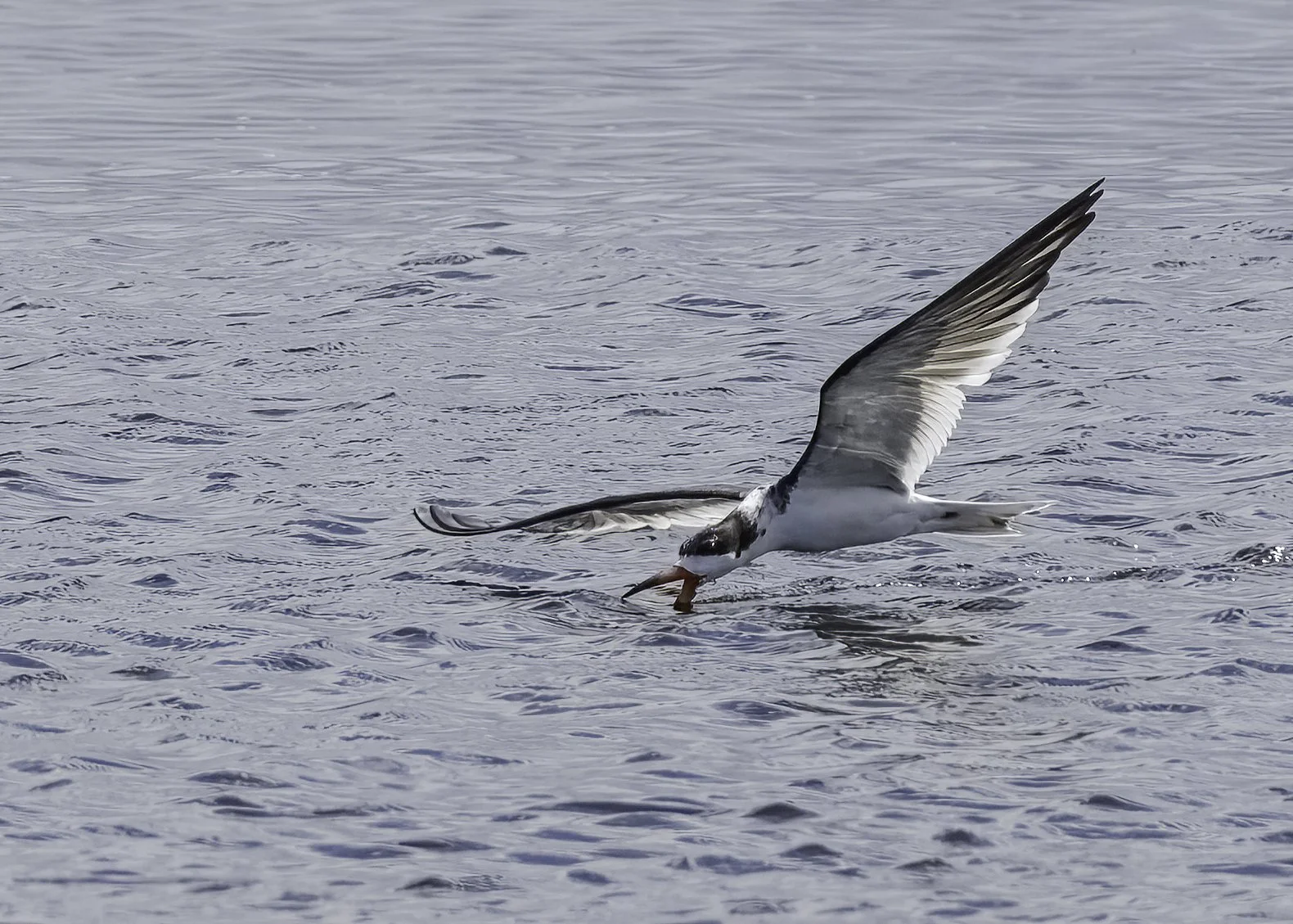
Black skimmer - Black Point Drive - 3/1/26
Greater yellowlegs are relatively common winter visitors and passage migrants across Florida, favoring shallow mudflats, marsh edges, flooded fields, and shorelines where they probe for crustaceans, insects, and small fish with their long, slightly upturned bills. Slightly larger and longer-legged than the similar lesser yellowlegs, they display a distinctive, loud, three-note call and can be identified by their fine streaked breeding plumage on the neck and chest, bold white eye ring, and boldly patterned wings in flight. Here in Florida, they are often seen in mixed flocks with other shorebirds during migration peaks at this time of year.
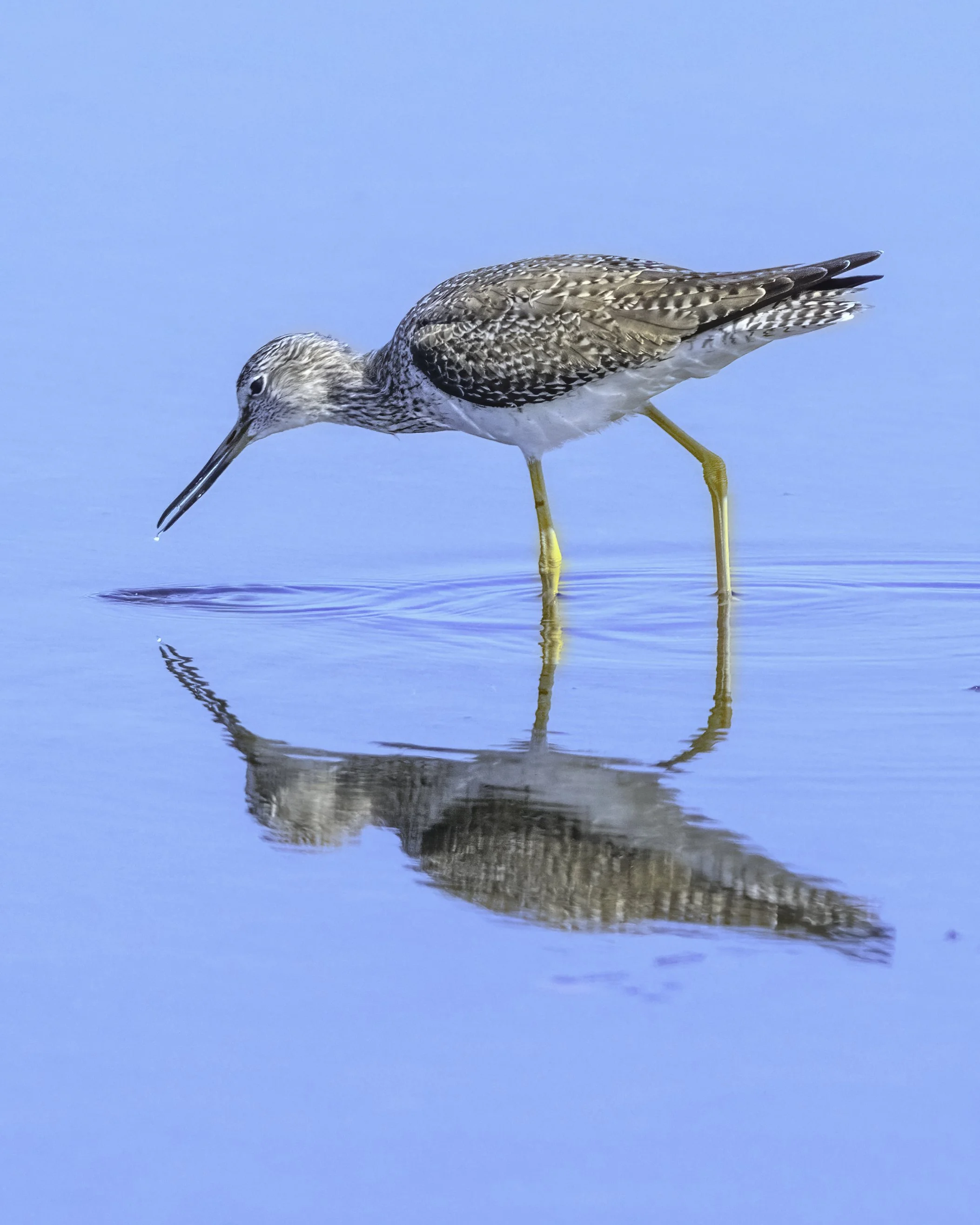
Greater yellowlegs - Black Point Drive - 3/1/26
We’ll continue to visit Black Point Drive every couple of weeks to see what changes occur as spring approaches. Indeed, this is a site where every visit brings us new species and a noticeable departure of others.