Back on the River
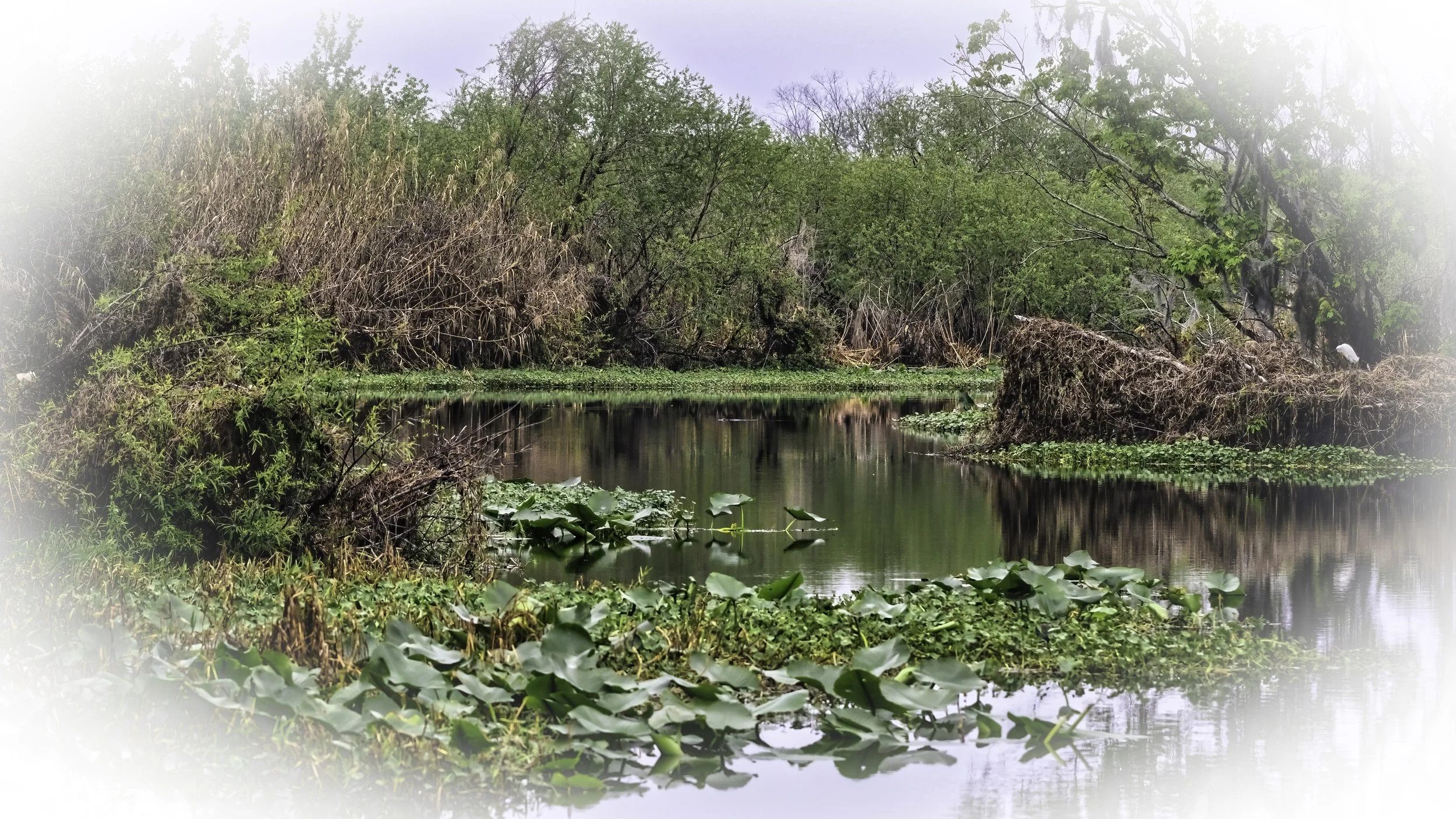
St. John’s River - 2/28/26
We’re back on the St. John’s River with Capt. Colin this morning. The trip, arranged by Southeast Volusia Audubon, has about 25 avid birders/photographers on board. On our last outing, my wife and I were joined by two friends and we had a much smaller group making photography a bit easier but also having fewer eyes to spot the myriad of wildlife surrounding us. On the last trip, it seemed Snail kites were all around us and we’re hopeful that today’s trip will be equally productive.
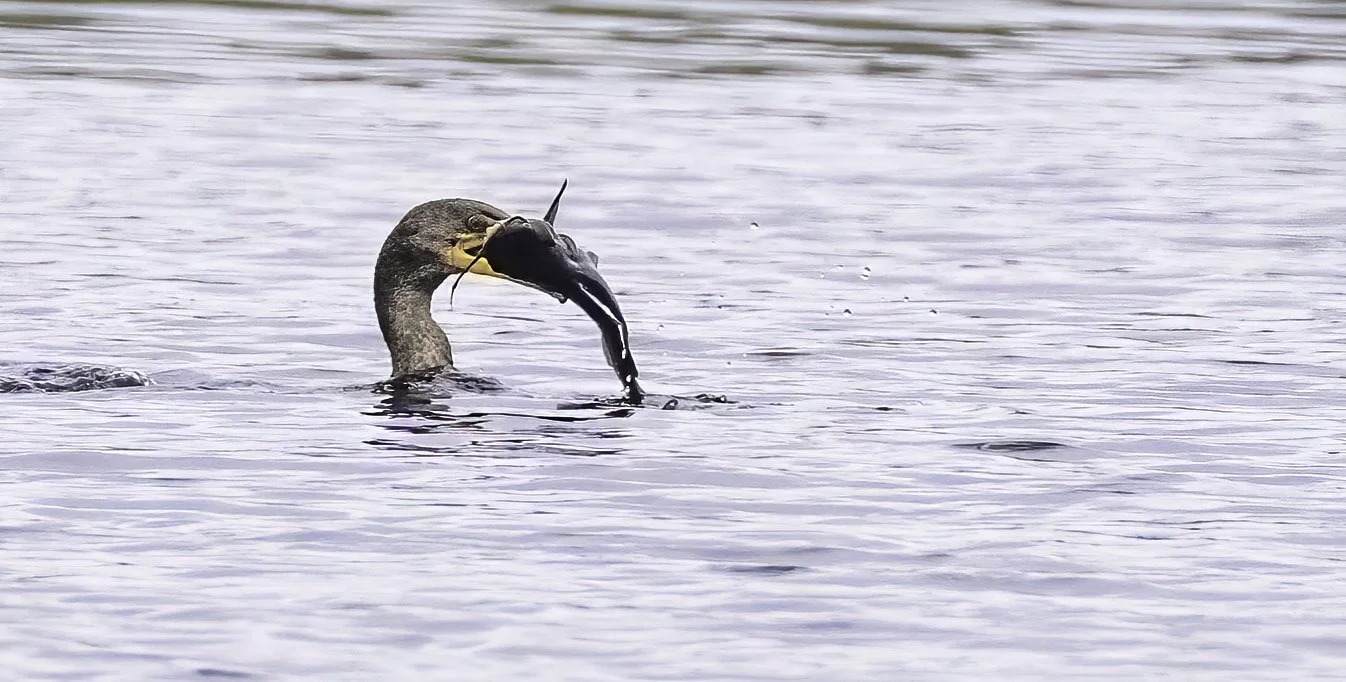
Double-crested cormorant with catfish - St. John’s River - 2/28/26 Nikon Z8 with Z100-400 lens at 400mm
1/1000 sec, f/6.3, ISO 640
One of the first sightings of interest was a Double-crested cormorant ingesting a rather large catfish. Cormorants can swallow large fish by using a combination of flexible anatomy and skilled handling: their expandable throat (gular pouch) and hinged lower jaw allow them to stretch around bulky prey, while backward-pointing papillae on the tongue and throat help grip and guide the fish headfirst so scales and fins fold smoothly. As we clearly saw today, a cormorant repositions the fish in its bill before swallowing, shakes or beats it to subdue or align it, and uses coordinated throat and esophageal contractions to progressively work the prey down into the stomach. Like many other waders and waterbirds, the cormorant is aided by a relatively distensible esophagus, and the bird’s ability to open its mouth wide and extend the neck create the necessary passage.
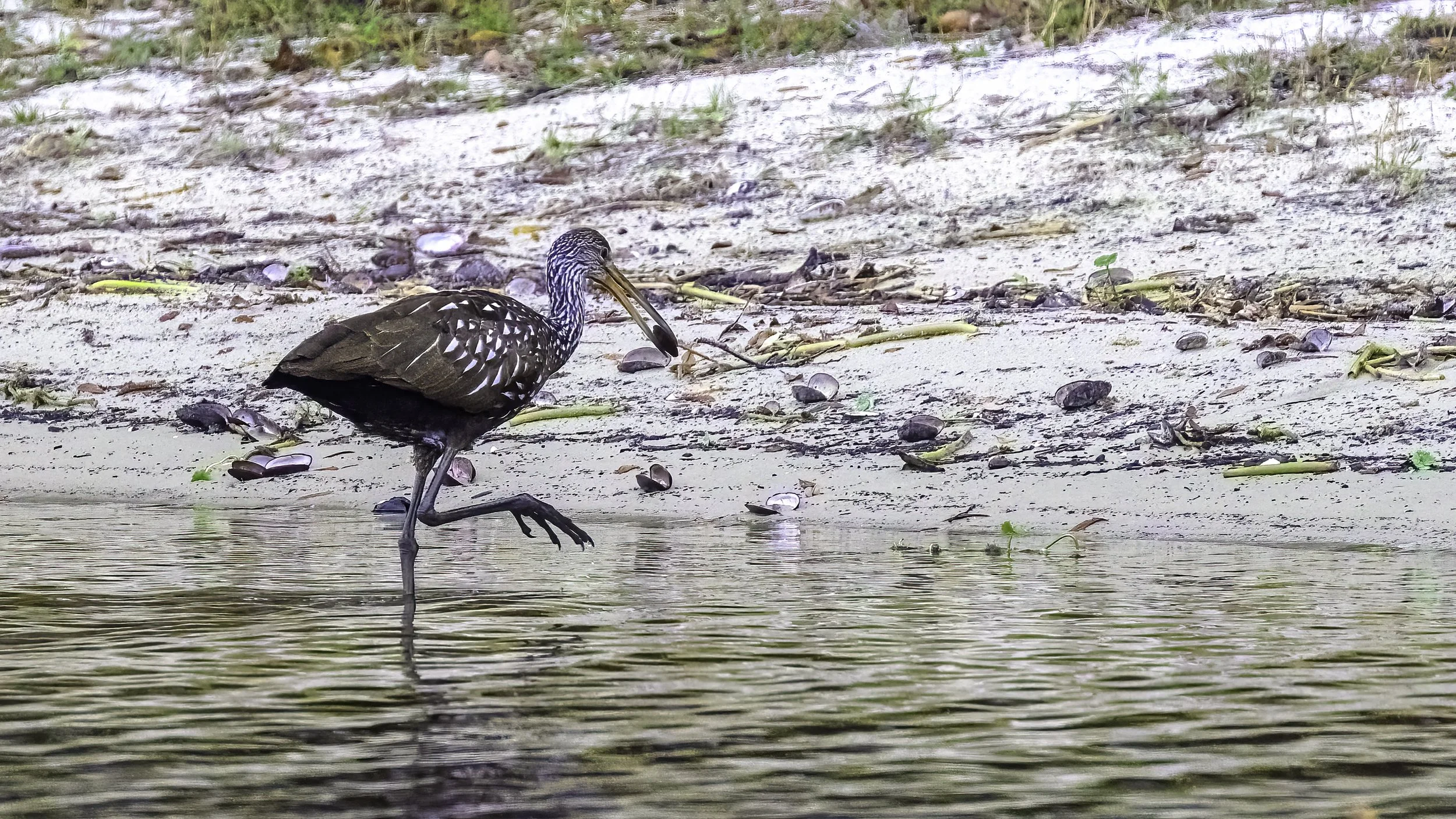
Another interesting adaption for gathering food was exhibited by a Limpkin dining on fresh water mussels along the shoreline. As described in “All About Birds” from Cornell University’s website “Limpkins hunt for snails and mussels by sight, walking along the water’s edge or into the shallows (rarely wading deeply) and seizing prey quickly with the bill. When waters are muddy, or have extensive vegetation, they probe into the water rapidly, rather like ibis, sometimes with the head submerged. If vegetation cover is extensive, Limpkins often walk out onto the mat of floating vegetation to hunt snails that cling to the undersides of leaves and stalks. To extract the mollusk from its shell, Limpkins place the forceps-like tip of their bill into the snail or mussel to cut the adductor muscle, using scissoring motions. They then discard the shells, often in a pile if prey is abundant in one spot.” Notice the collection of mussel shells this bird has accumulated at this spot.
Eventually, we did in fact find our Snail kite. We noticed that this bird as well as several of the kites we found on out last outing was banded. One of our members informs me that he received an article from Florida Audubon talking about studies being done on the numbers of Snail kites apparently declining and studies being done by the University of Florida down in the Everglades regarding their plight. Good to see that we had a number of them show up on the St. John’s this season.
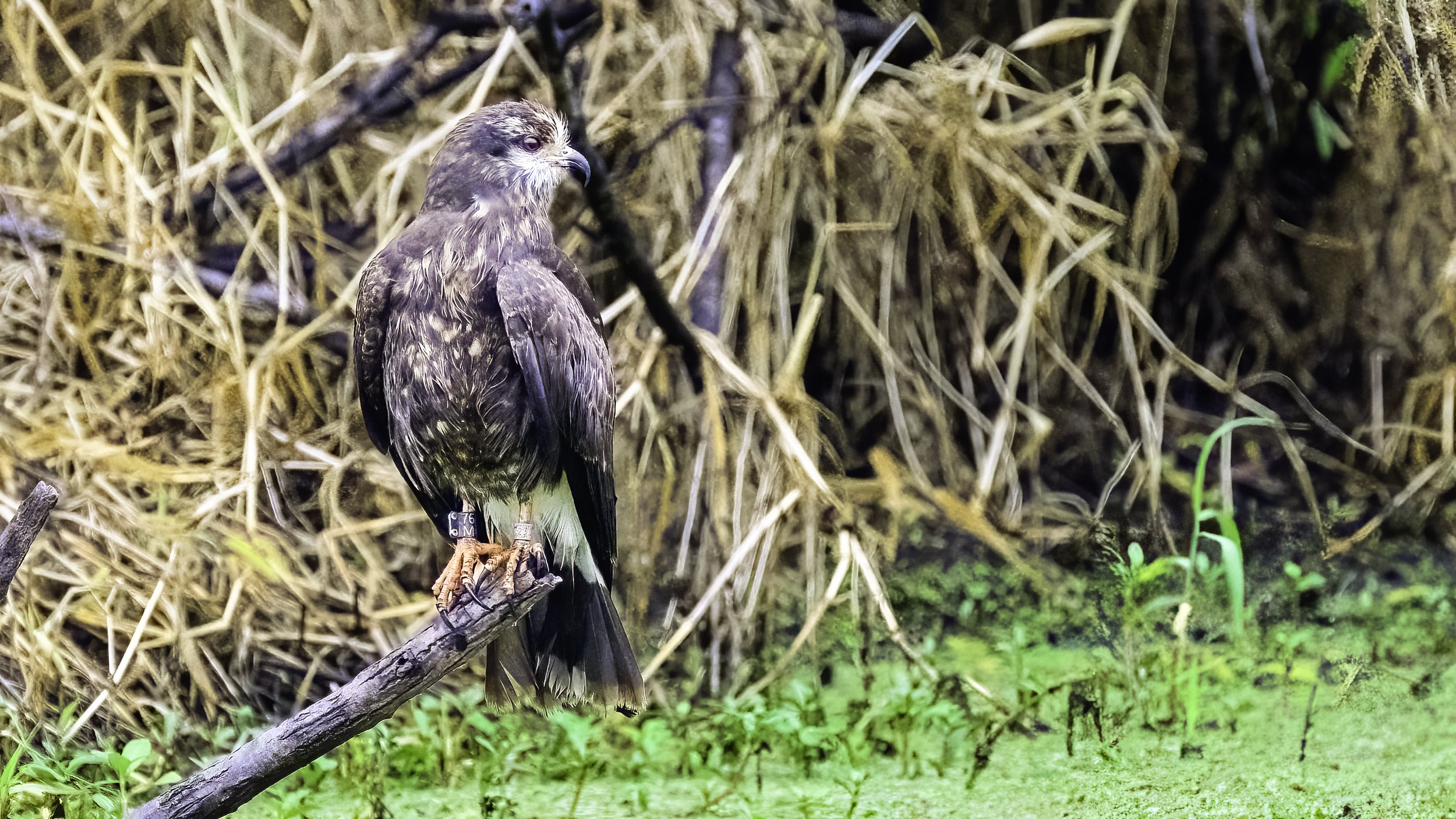
Banded Snail kite - St. John’s River - 2//28/26
16 years ago, Sharon and I took an ecotour trip down the St. John’s with the same outfitter as we are traveling with today. Back then, the boat would pull into an area where Barred owls were known to inhabit and the owls would come to the boat to grab a tasty morsel offered by the captain. Well, turns out that 16 years later, the birds are still here (same birds?) and are still expecting to get a treat should the boat approach. Watch this Barred owl swoop down in to grab his treat….a treat for him and for us!
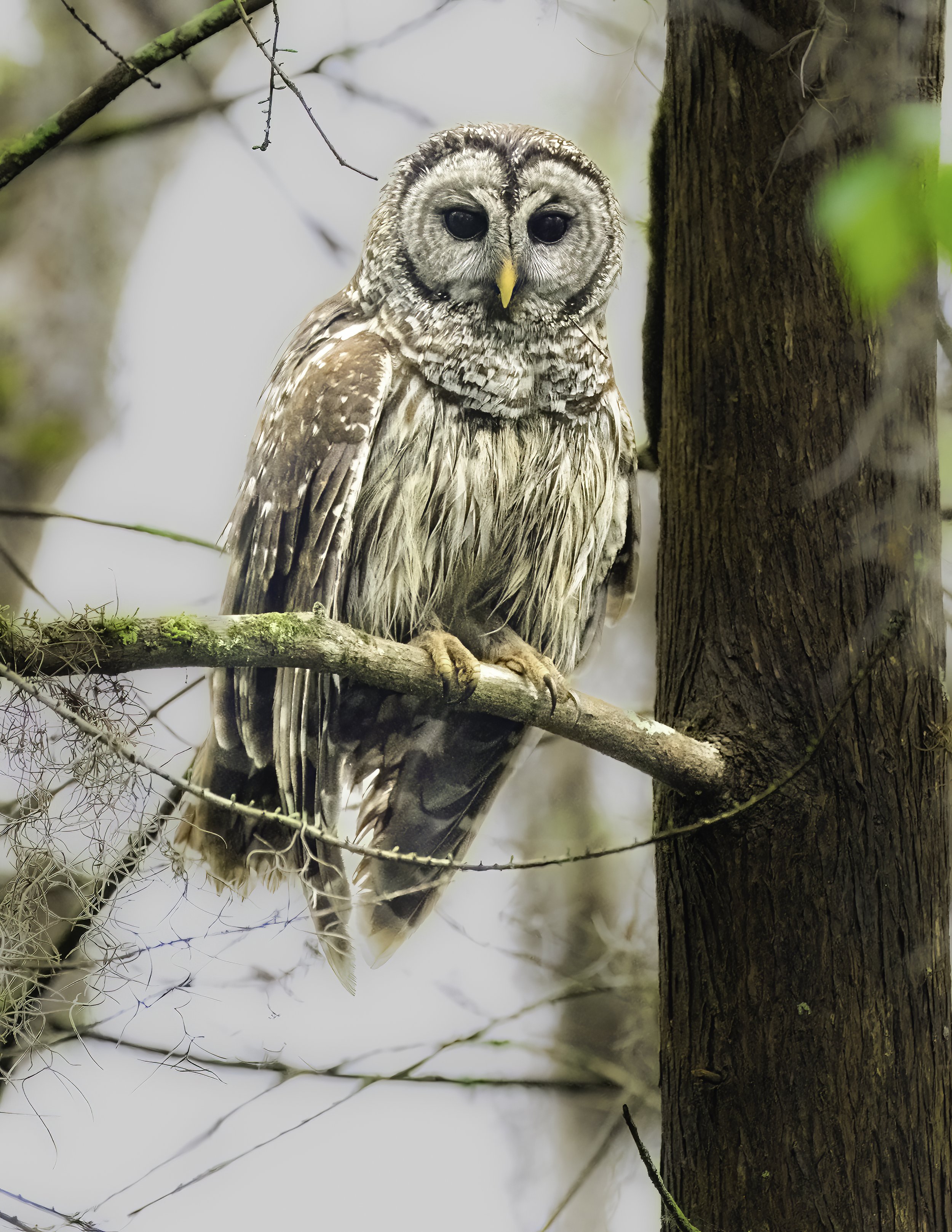
Our accommodating Barred owl - St. John’s River - 2/28/26
Our trip is drawing to an end, but before we end up, we are treated to one more special moment. As we pulled away from our owl site, another Snail kite (this one UNbanded) came in and perched for the perfect photo-op. This bird is not an easy one to find on any field trip, and for this individual to come in and let everyone on board get great views and great photos, we that’s special.
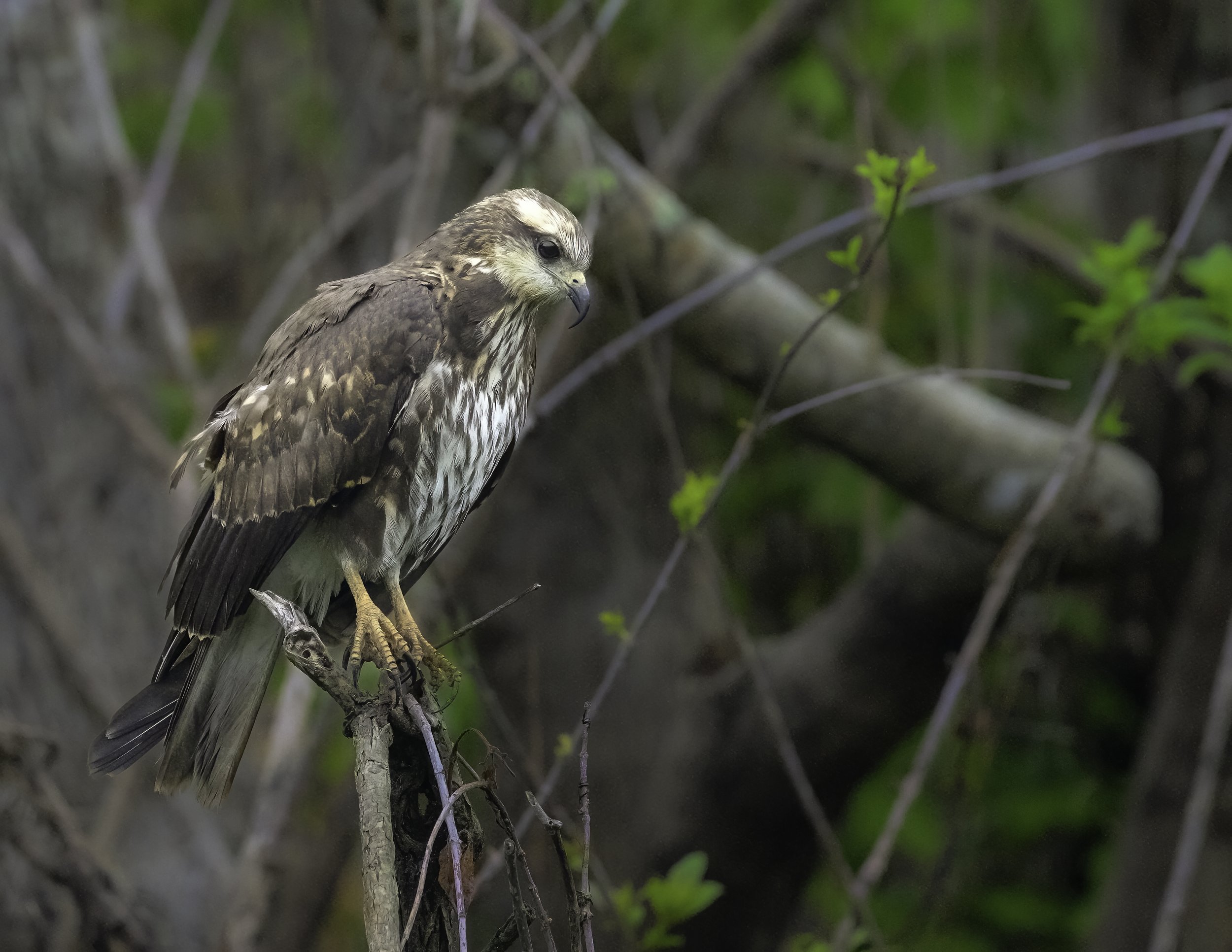
Snail kite - St. John’s River - 2/28/26
By the end of the morning, we had tallied 39 species on the river with the projected bad weather failing to appear. It’s always a pleasure to get out on this unspoiled parcel of real estate that will hopefully be protected in perpetuity. In a state that seems to have a population that is growing exponentially, being out here in the natural world is to know how blessed we really are to still have places like this to visit whenever we wish.
Tech Tip - In the photo above, the aperture was set to 5.6, a relatively large window allowing the light to hit the sensor of the camera. This large aperture provides us with a shallow depth of field. The fact that the bird was in profile allowed that shallow “DOF” to still keep the entire bird in focus while providing us with a soft, “buttery” background known as Bokeh. That soft background allows us to concentrate our focal point on the bird and the bird alone.