Merritt Island NWR
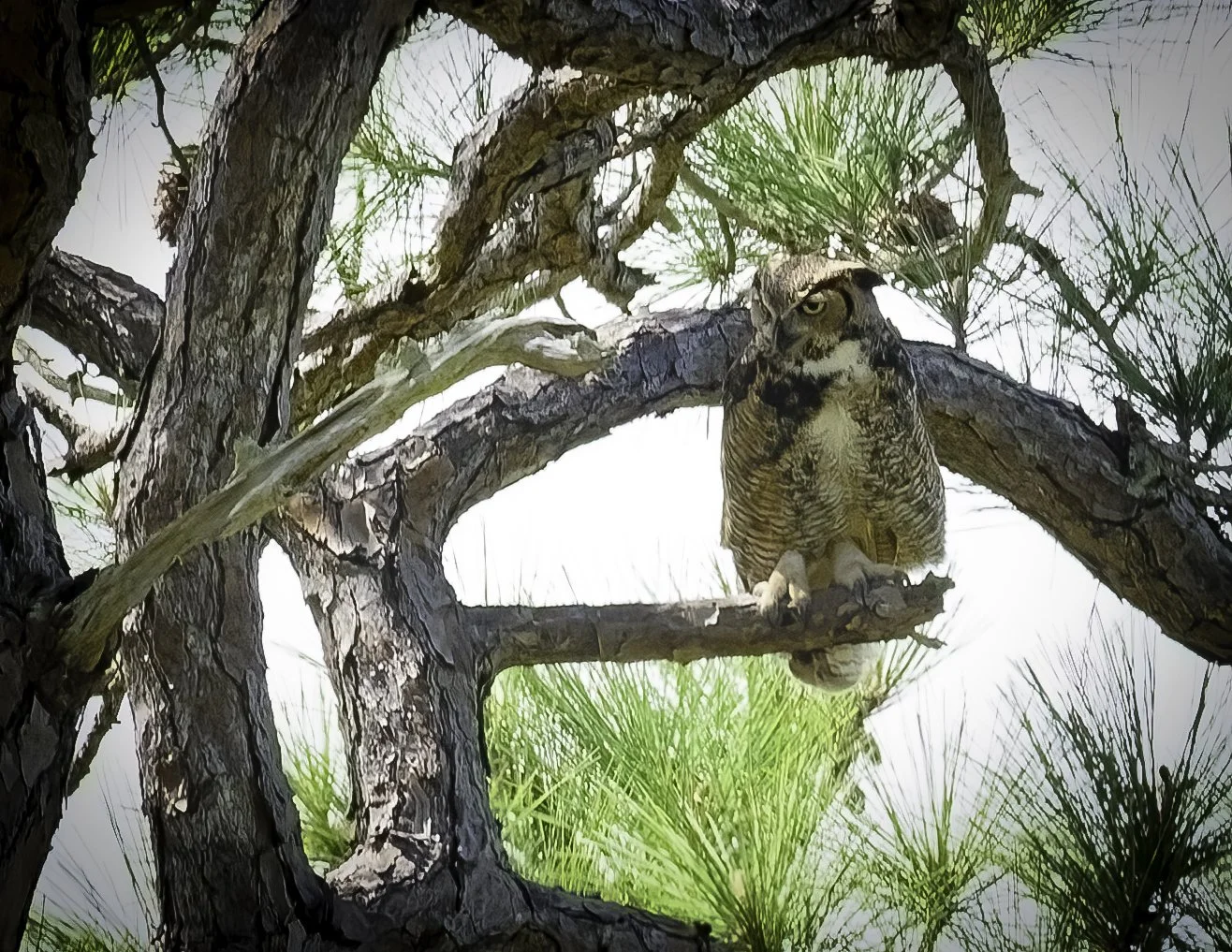
Ceci’s shot of the Great horned owl at Bairs Cove Road - Nikon Zfc with 50 - 250 mm lens at 250mm
1/250 sec, f/5, ISO 560
A quick stop at the Bairs Cove Great horned owl nest proved rewarding as we had one of the adults perched nicely out in the open. We are joined today by my eldest grandson Tyler and his girlfriend Ceci. I had promised them a sighting of owls and then kept my fingers crossed that we would have decent looks at the adult(s) and hopefully chicks. The birds did not disappoint. Ty’s girlfriend Ceci turned out to be quite the photographer! Using one of my cameras for the first time, she produced a number of really nice shots of a wide variety of subjects at the refuge today. I’ve taken the liberty to use her photo of our owl at the nest as seen above. Nice work!
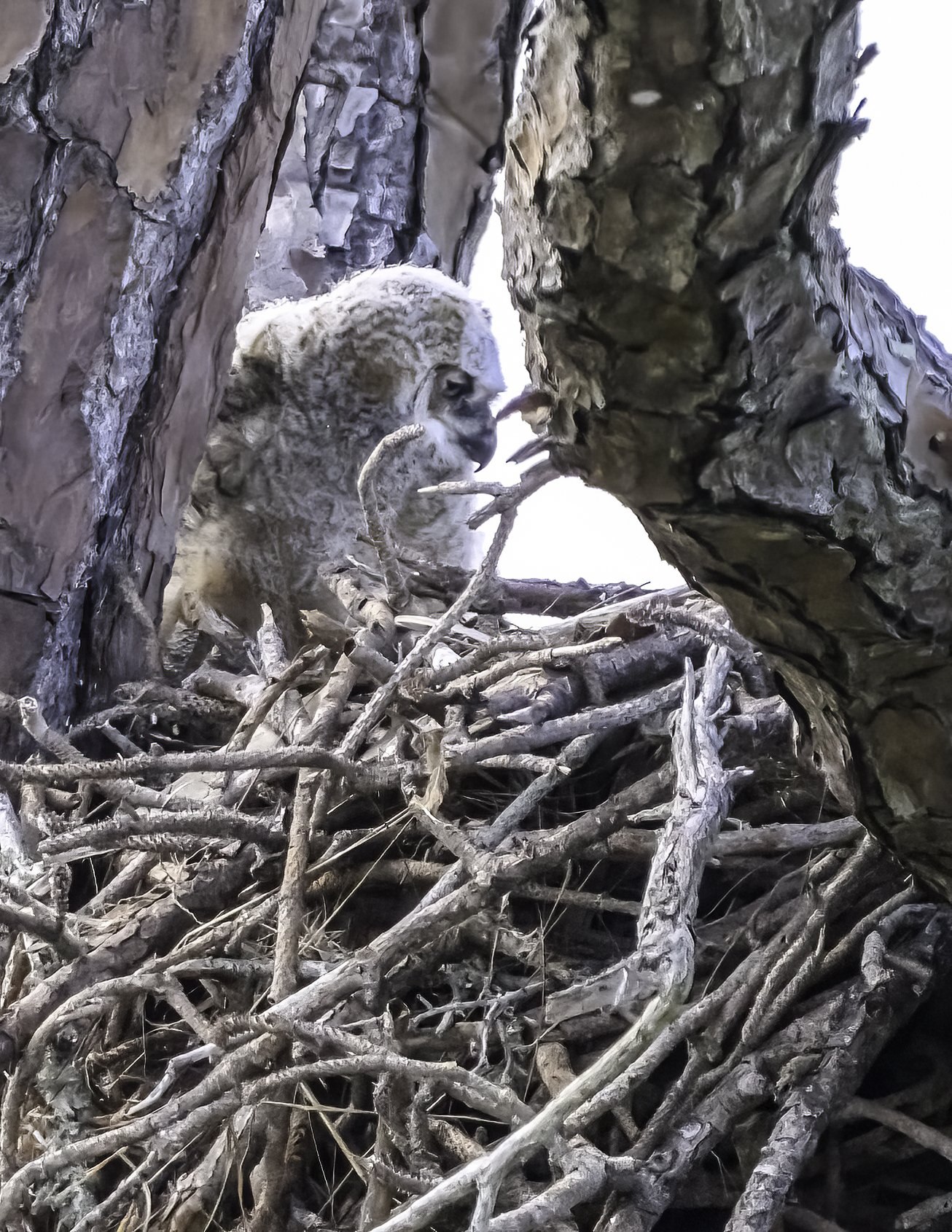
Owlet - Bairs Cove Road - 3/7/26
It was great to see that at least one of the chicks is thriving. This little guy is only two weeks old and is already perching at the edge of the nest. Great horned owls fledge at about 5 weeks, so it will not be long before this little guy is off and running (flying!)
We were happy to see an unusually large number of Reddish egrets in the impoundments along Black Point Drive today. They were all very active and could easily be identified at a good distance by their distinctive “hunting” methods. Prancing, bouncing, hooding, running to and fro, this bird is a bundle of energy as it pursues its prey.
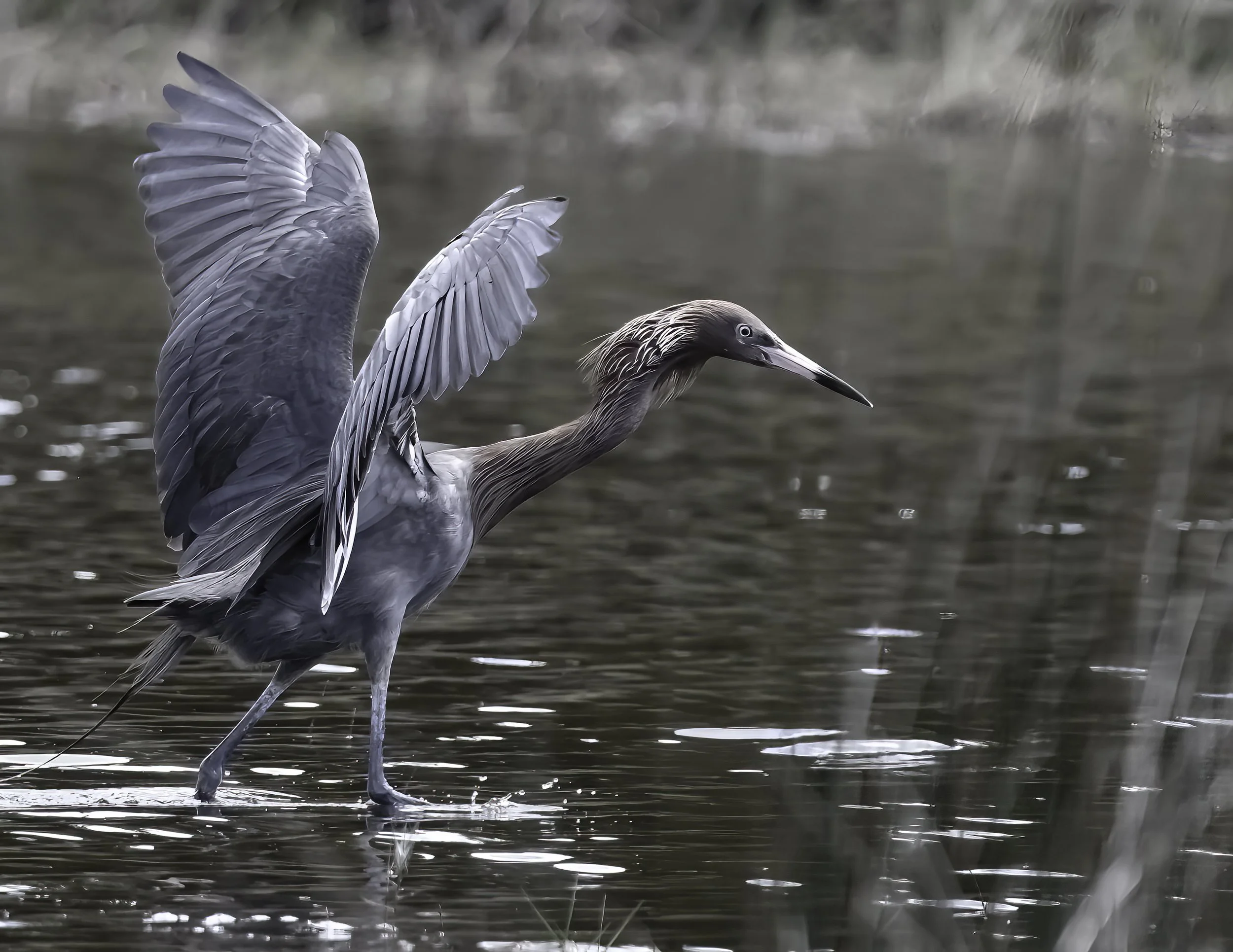
Reddish egret - Black Point Drive - 3/7/26
Also in good numbers today were the Greater yellowlegs. These handsome shorebirds will be scarce one the warmer months of spring and summer arrive as their breeding grounds are along the US - Canadian border. By mid to late spring, most of these birds will have departed from Florida.
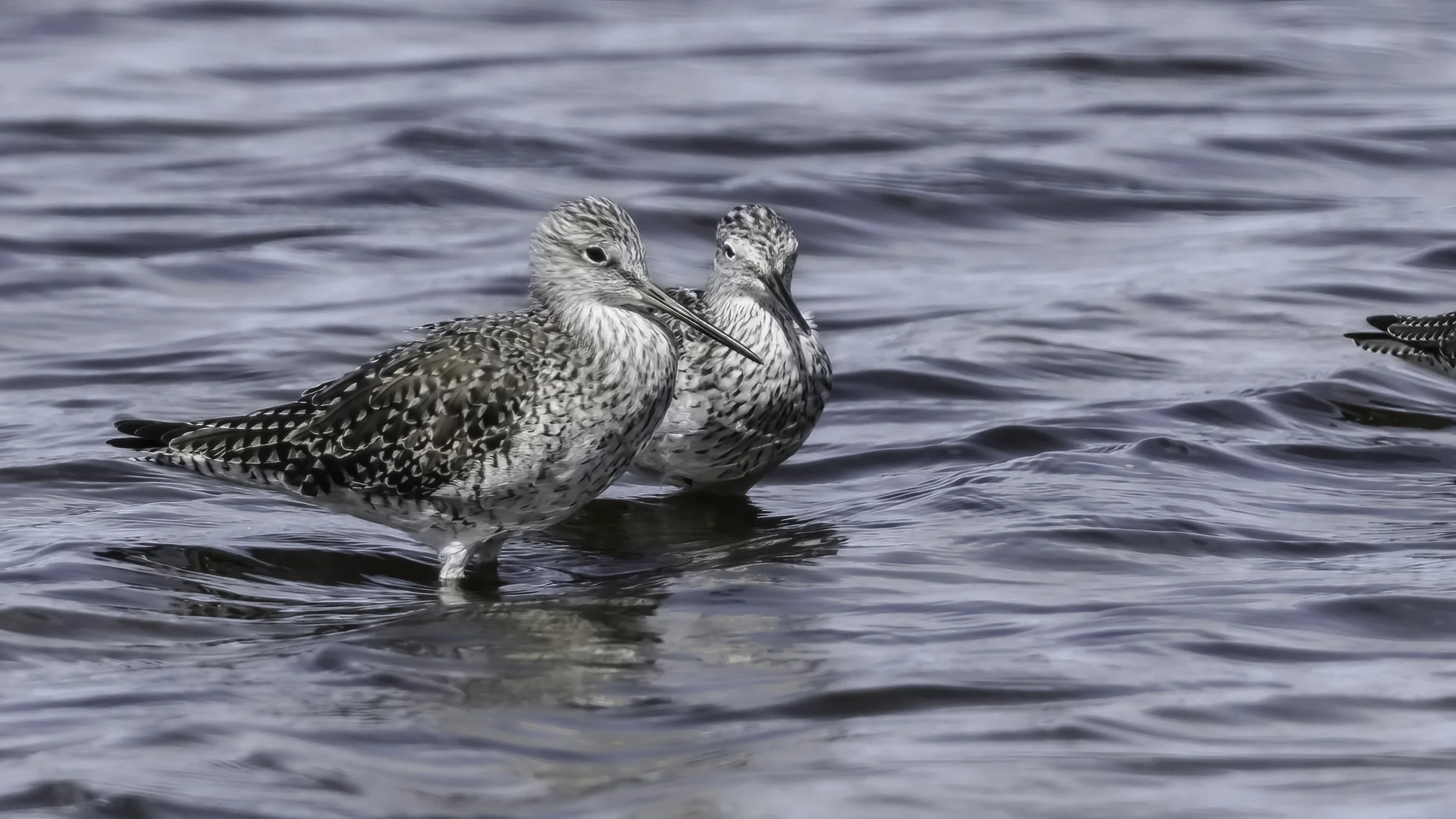
Greater yellowlegs - Black Point Drive - 3/7/26
One of the most common species of waterfowl on the refuge at this time of year is without doubt the Blue-winged teal. Rarely do we see this bird as a “loner” almost always being observed as bonded pairs. These ducks breed primarily in southeastern Alaska and western Canada south to northeastern California, New Mexico, and New York. We are fortunate to see these ducks as they are largely absent from the North American during the winter months. Again, it will not be long before we see their numbers here at the refuge dwindling as they head back to their breeding grounds.
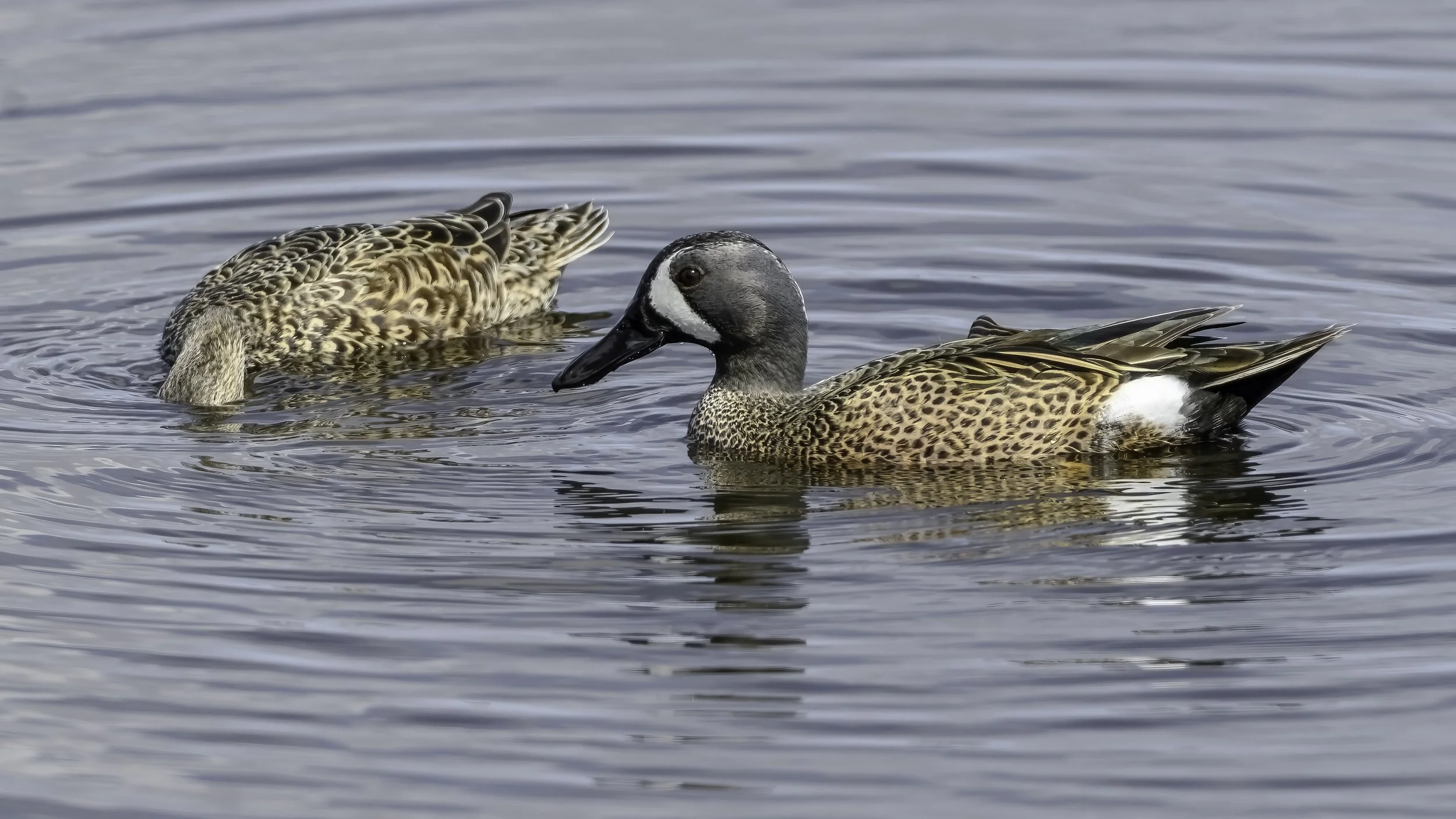
Blue-winged teal - Black Point Drive - 3/7/26
Finally, as we were finishing the Black Point Drive loop, we came upon a non-avian species which has roamed this part of the southland for many years now….the Wild pig. Wild pigs in Florida—commonly called feral hogs—are a widespread and highly adaptable invasive species that cause extensive ecological and economic damage. They root through native vegetation and wetlands, degrading wildlife habitat and water quality, compete with native animals for food, spread disease to livestock and humans, and can damage crops and property, prompting ongoing management efforts that include trapping, hunting, and exclusion fencing to reduce their populations and limit their impact. While widespread, they are pretty elusive and to find one out in the open like this sow is not a common experience. I suddenly have a hankering for a Pulled pork sandwich!
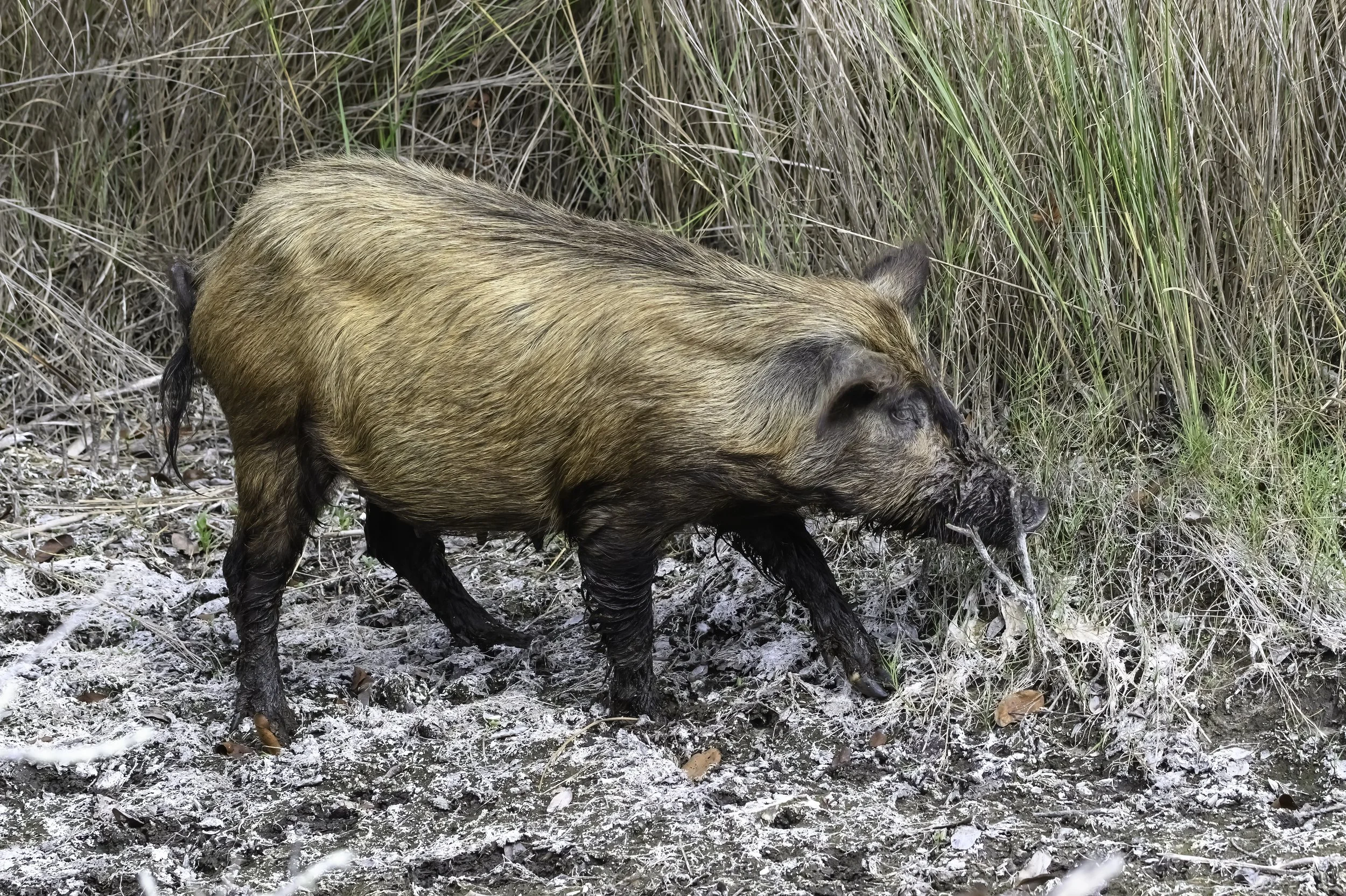
Feral pig sow - Black Point Drive - 3/7/26