Pot pourri at the Park
I spent a few hours at Orange County Park on the golf course at at the arboretum just looking for whatever Mother Nature had to offer. As we get into the summer months, many of the migrant song birds have moved on while others are busy at their nests deep in the forest. It is harder and harder to find new birds of interest, and so many of us amateur naturalists turn to other subjects of interest…insects like butterflies and dragonflies, other creatures of the forest floor, and summer wildflowers. Here is a sampling of what was found today.
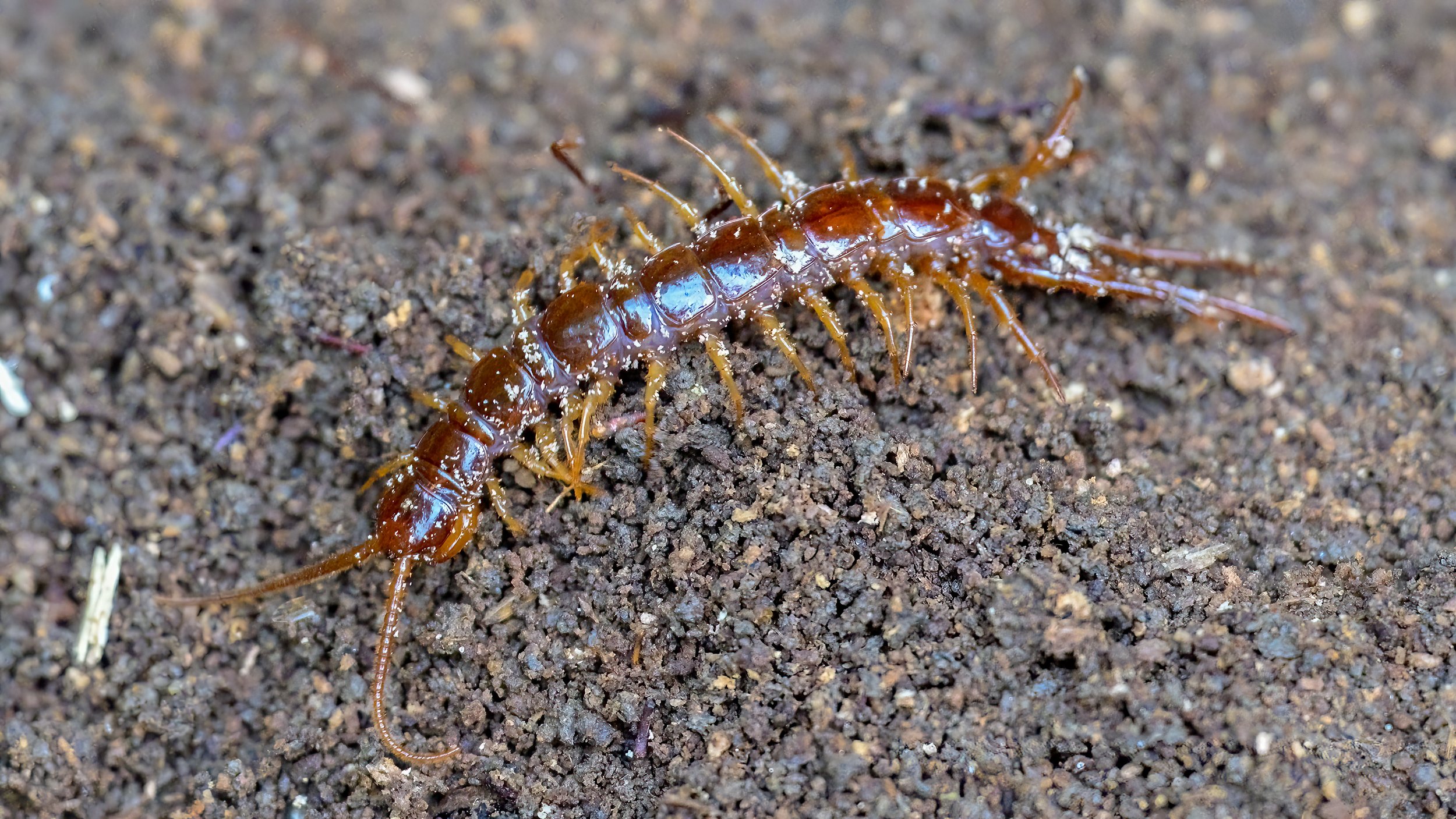
Brown centipede - OC Arboretum - 6/10/26
It’s always interesting to flip over dead logs on the forest floor to see what creatures are making their living beneath in the darkness. In this case, it was a Brown centipede. The Brown centipede is a fast-moving, elongated arthropod characterized by a flattened, segmented body and numerous pairs of legs—one pair per body segment—typically varying from a few dozen to over a hundred depending on species and maturity; its coloration ranges from light tan to rich reddish-brown, which helps it blend into leaf litter and soil where it hunts at night. As a nocturnal predator, it preys on insects, spiders, and other small invertebrates, subduing prey with venom delivered through modified front legs called forcipules; it favors moist, sheltered habitats such as under logs, stones, mulch, and inside basements or crawl spaces in human dwellings.
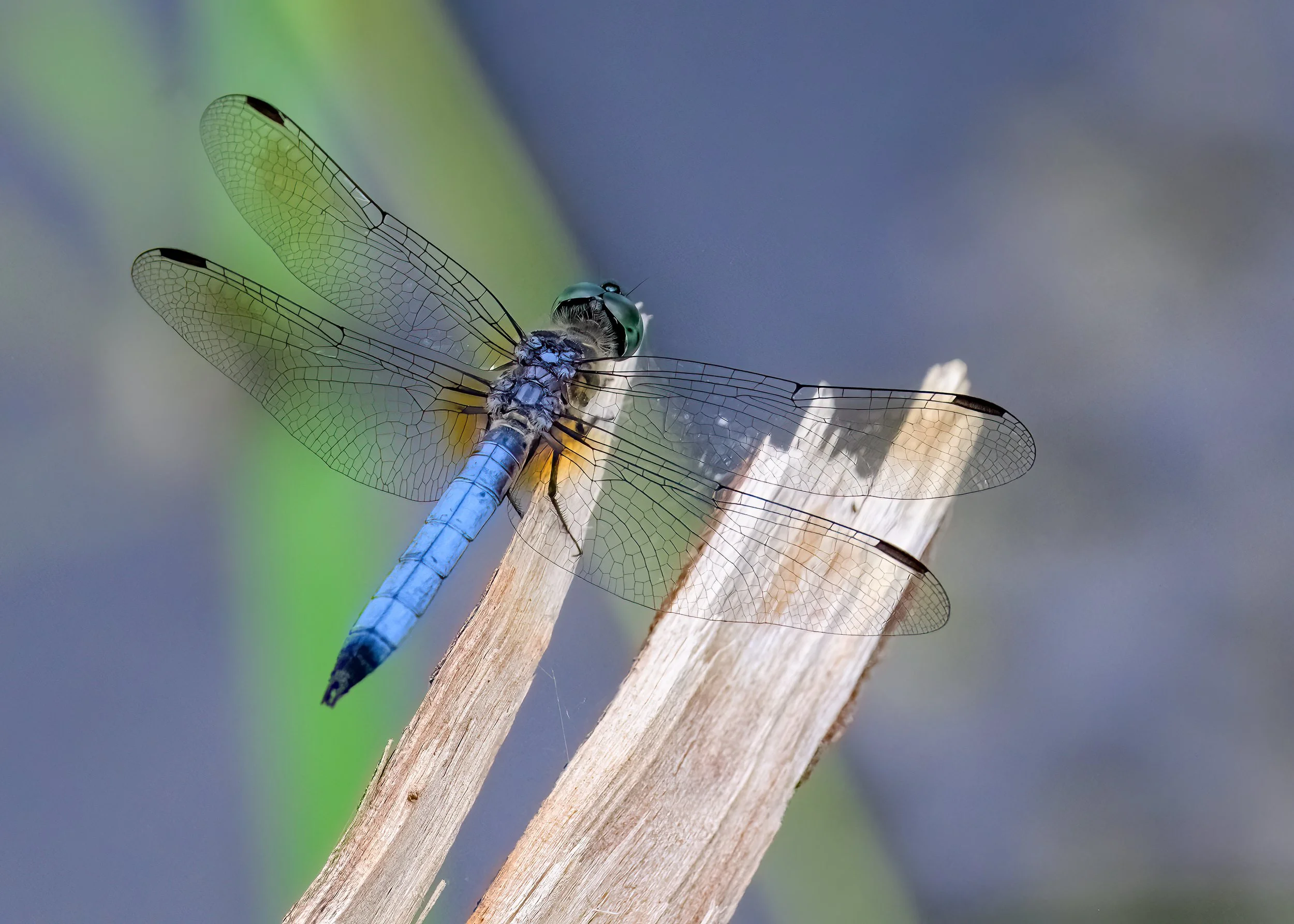
Blue dasher - OC Arboretum - 6/10/26
Next up - the Blue dasher. This is one of my first dragonfly sightings of 2026. A widespread North American dragonfly, mature males exhibit the brilliant powder-blue abdomen and striking green eyes as seen in this specimen. Females and young males display brown or patterned bodies that help them blend into marshy habitats. Typically found around ponds, marshes, and slow-moving waters with abundant emergent vegetation, Blue Dashers perch conspicuously on stems or floating debris to hunt small flying insects, returning repeatedly to the same lookout. When I first saw this individual, I trained the camera on the perch where I first saw him and waited for him to return to take the shot. He did not disappoint. They exhibit agile, darting flight and can defend small territories. Always a joy to find the dragonflies returning for the season. First of many!
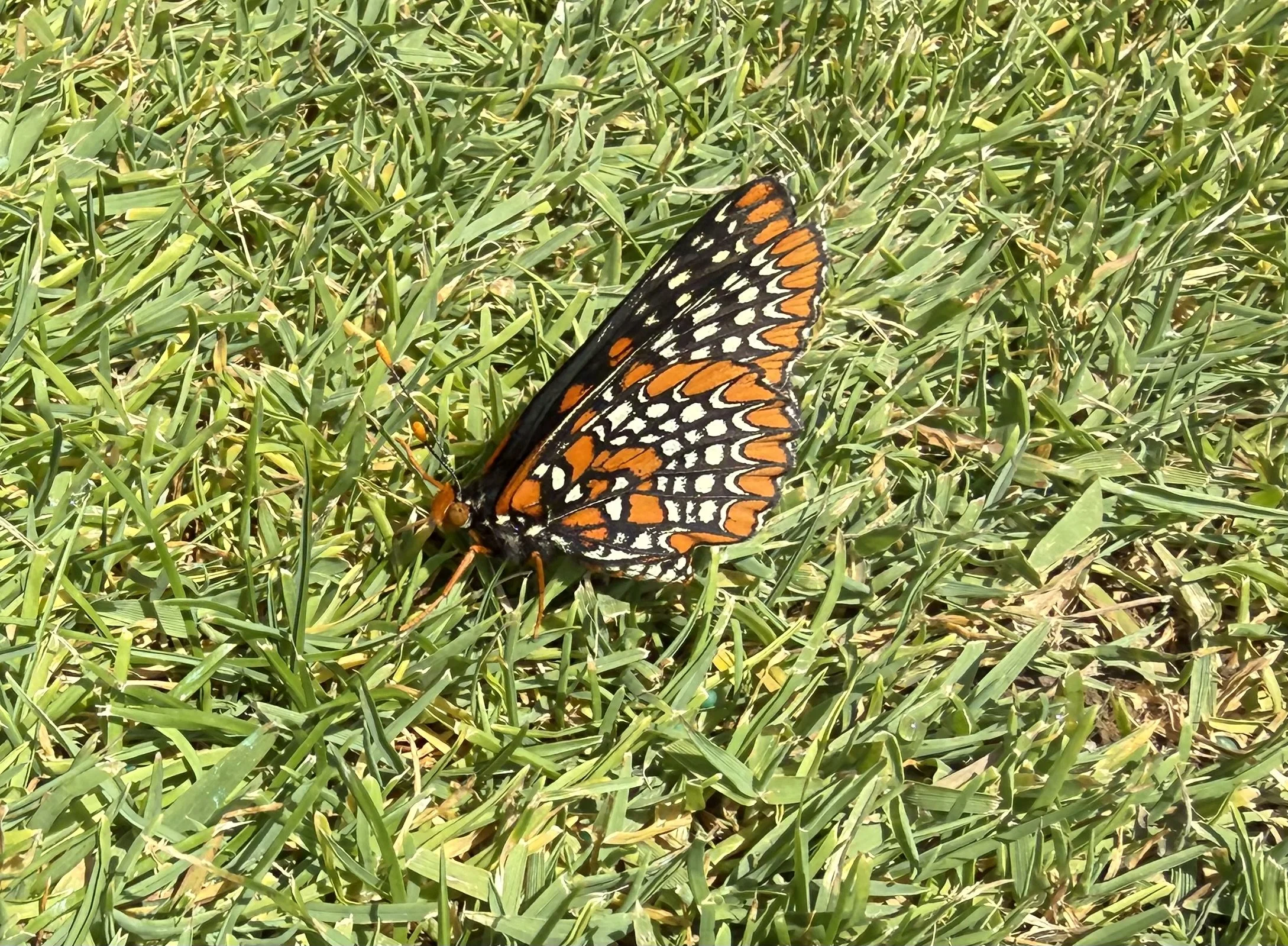
Baltimore checkerspot - Stony Ford Golf Course - 6/10/26
Butterflies also demand a lot of attention during the summer months and this Baltimore checkerspot is high and the list of “desirables”. The Baltimore checkerspot (Euphydryas phaeton) is a striking North American butterfly recognized by its distinctive pattern of black, white, and orange-red spots on a dark brown wingspan of about 1.5 to 2.5 inches. Normally, it frequents wet meadows, marsh edges, and open woodlands from the northeastern United States into parts of the Midwest and Canada, so finding it on a tee box of the golf course was quite a surprise. Conservation concern has grown in many areas because of habitat loss and wetland drainage, and successful local populations often depend on maintaining native host-plant stands and appropriate wetland hydrology. Adults are active in late spring to early summer, nectaring on a variety of flowers, and their bold coloration and flight behavior make them a favorite subject for nature photographers and naturalists monitoring butterfly diversity.
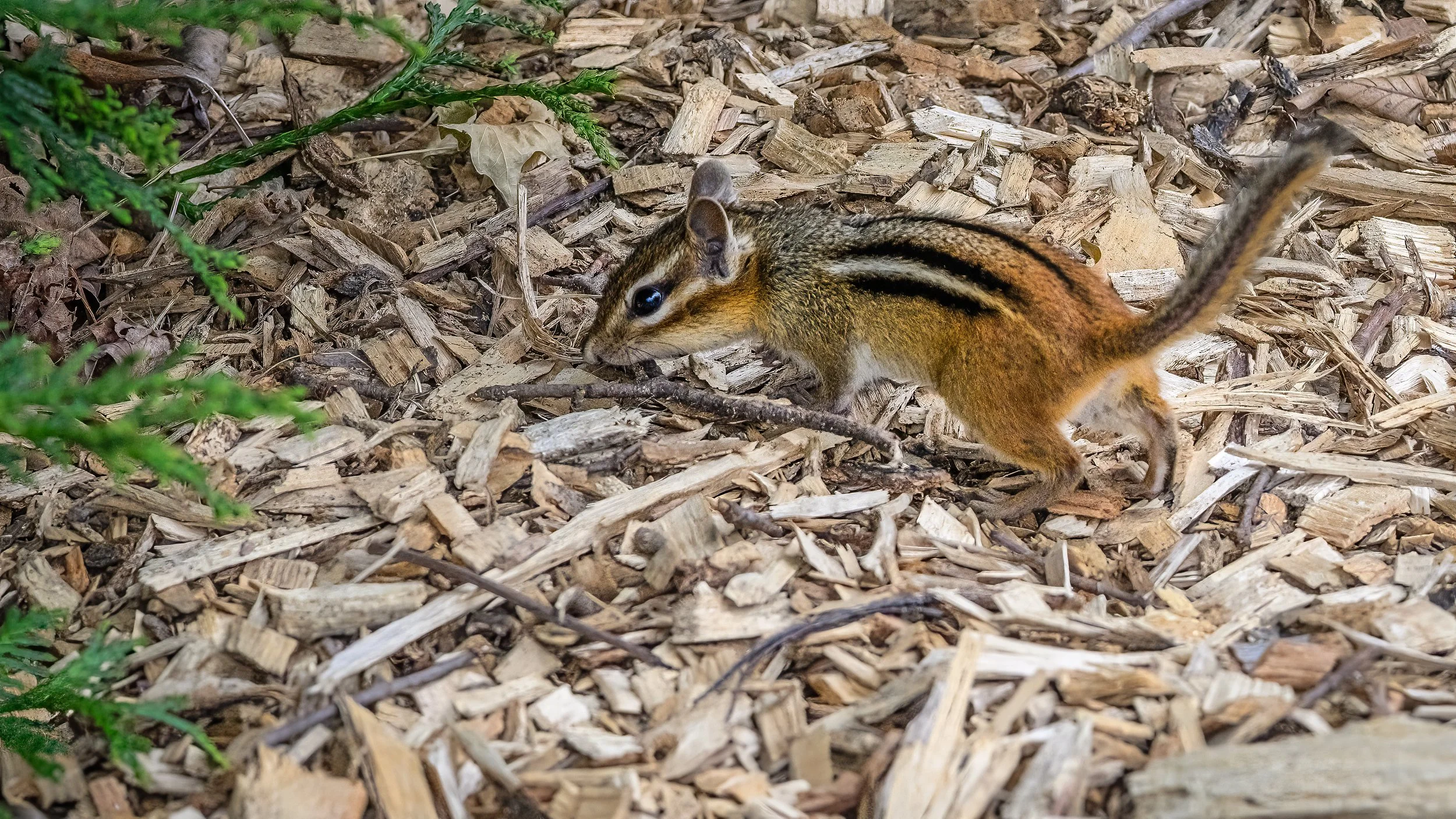
Eastern chipmunk - OC Arboretum - 6/10/26
Last but not least it the Eastern chipmunk. Mustn’t forget the mammals we’ll have with us throughout the summer months. This small, striped ground squirrel native to eastern North America, recognized by its reddish-brown fur, distinctive dark and light stripes along its back, and cheek pouches used for transporting food. It favors deciduous forests, brushlands, and suburban gardens so what better place for him than the Orange County Arboretum? Here, he’ll forage for seeds, nuts, fruits, insects, and fungi, often storing large caches in complex burrow systems to survive winter periods. Active during the day, he is vocal, and territorial—contributing to seed dispersal and (sadly to say for him) serving as prey for hawks, foxes, snakes, and other predators.
And so, as we enter the doldrums of the hot summer months, we’ll be shifting gears and begin to search out new interesting subjects to investigate and photograph. Never a dull moment if you spend the time and effort to look around you.