On the Beach
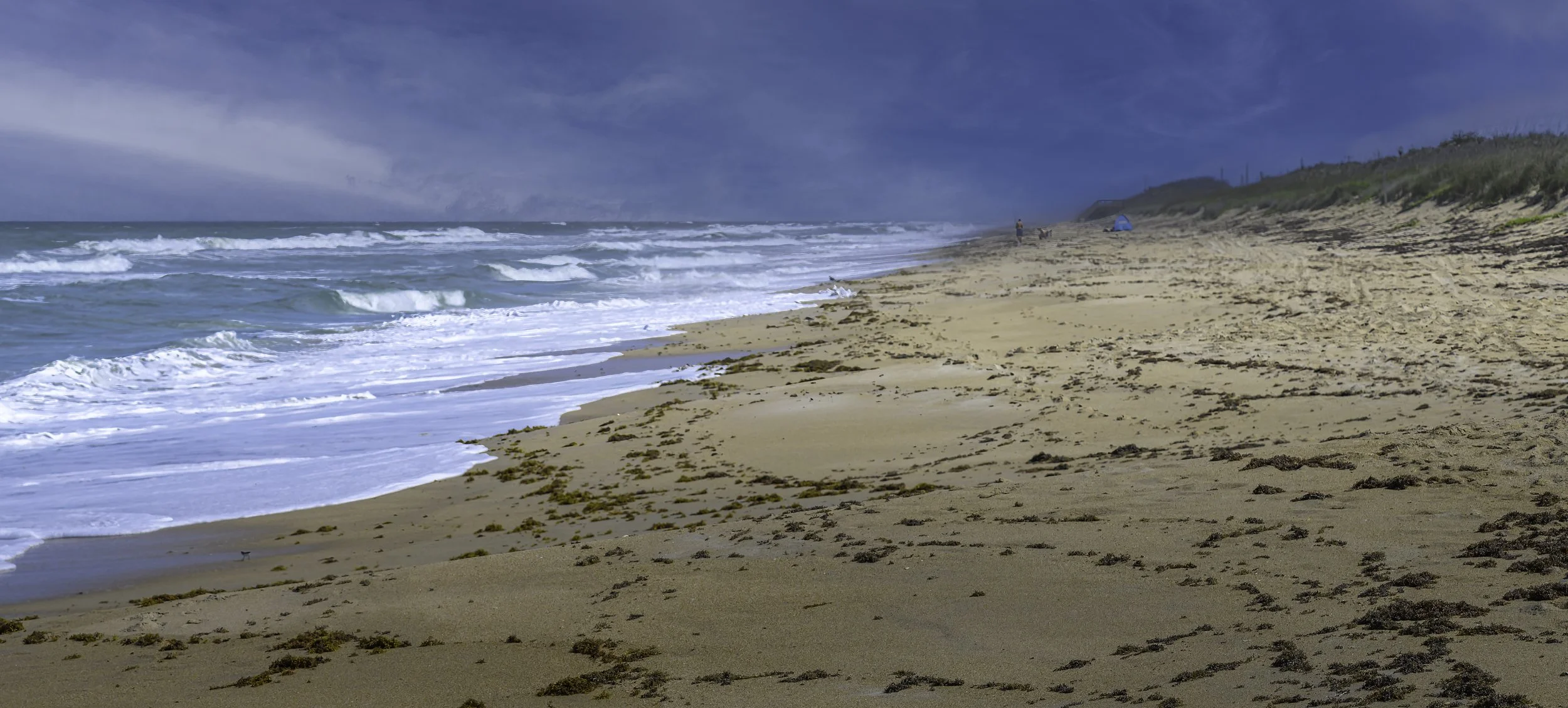
Canaveral National Seashore - 4/13/26
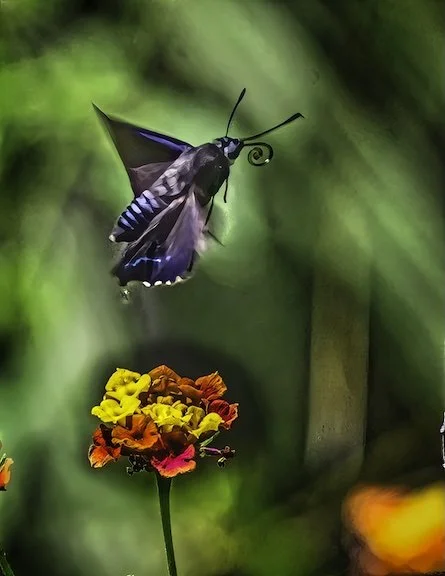
Mangrove skipper - Canaveral National Seashore - 4/13/26
OK…this first image is not a bird and it is not on the beach. On my way down through Canaveral National Seashore, I took a quick side trip through ElDora Road hoping for some migrating warblers. I wasn’t expecting much since it was the middle of the day and pretty warm. I got what I expected…..few birds, but quite a few butterflies. The Great Southern Whites are abundant right now and this patch of colorful Lantana was irresistible to these butterflies. Among the Great whites, one butterfly stood out. Dark purple and smaller in size, I got the best shot I could from the car window as it took flight. I’m thinking Mangrove skipper, but I’ve submitted it to the “Bug Guide” website/ for confirmation. Should I need correction, I’ll be sure to edit this passage in the near future. Now it’s on to the beach.
I drove down to the very end of the national park drive only to find the spot where I like to look for birds in the lagoon filled with kayakers. It’s their national seashore too, so I can’t begrudge them that. So I returned back up to the less populated Parking Lot 1 where only a few people were enjoying the sun near the boardwalk access. I could see some shore birds down to the south and walked down slowly towards those birds so as not to disturb them. The first and most numerous were a number of Willets. Here in the New Smyrna area, we can find both the Eastern and the Western subspecies of the Willet depending upon the time of year. Their migration during the month of April allows for some overlap, so I’m interested in seeing of I can find both today.
The Eastern and Western willets are two subspecies of the same shorebird species that differ primarily in size, plumage tone, vocalizations, and migratory behavior: Eastern willets (Tringa semipalmata semipalmata) are generally slightly larger with paler, grayer upperparts and breed along the Atlantic coast and interior marshes of eastern North America, while Western willets (Tringa semipalmata inornata) are usually darker, browner, and more heavily streaked and breed across the interior and Pacific coast of western North America; in flight both show bold black-and-white wing patterns as seen in the first photograph below, but their calls differ subtly—Eastern birds tend to give a clearer, ringing "pill-will-willet" while Western calls are slightly harsher. Unfortunately, it was difficult for me to distinguish this variation in these birds. Their migration routes and wintering grounds also separate, but at this time of year, it is possible to find both subspecies together as they cross paths.
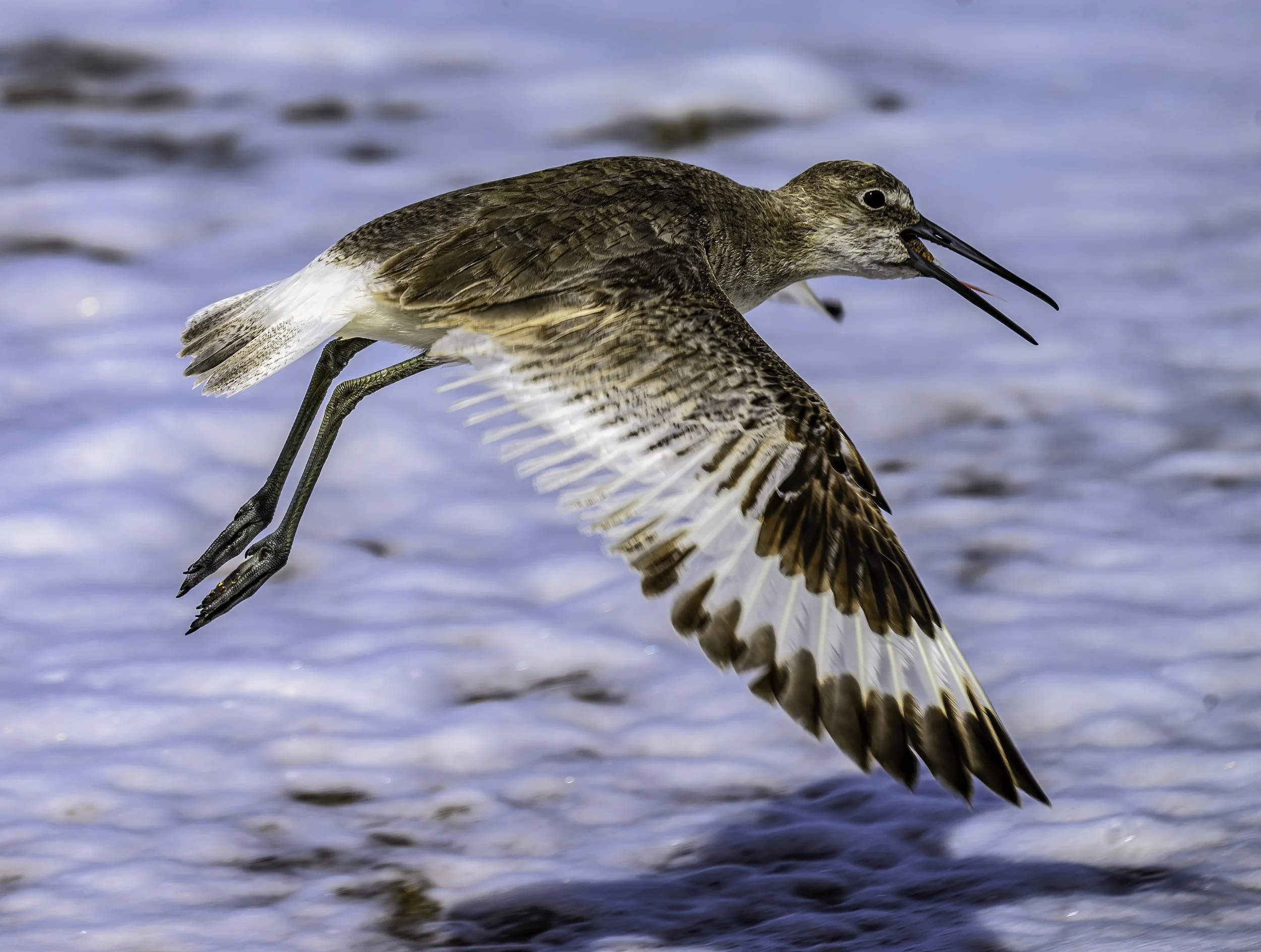
Willet - Canaveral National Seashore - 4/13/26 Nikon Z9 with Z 100-400 @ 360mm 1/1250 sec, f/8, ISO 80
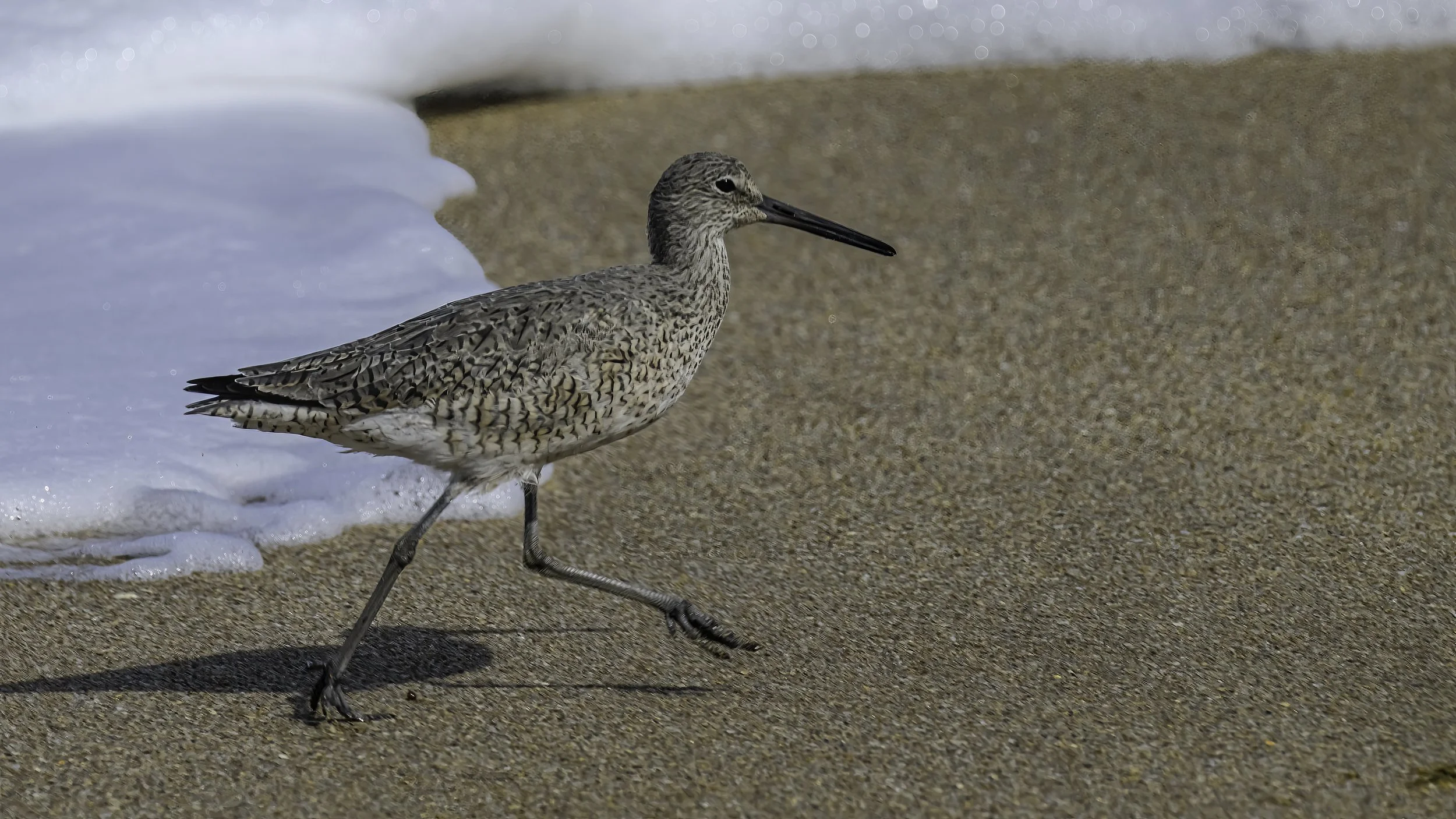
Eastern willet - Relatively smaller size, thicker bill, and darker in color than Western - Canaveral Nat Seashore - 4/13/26
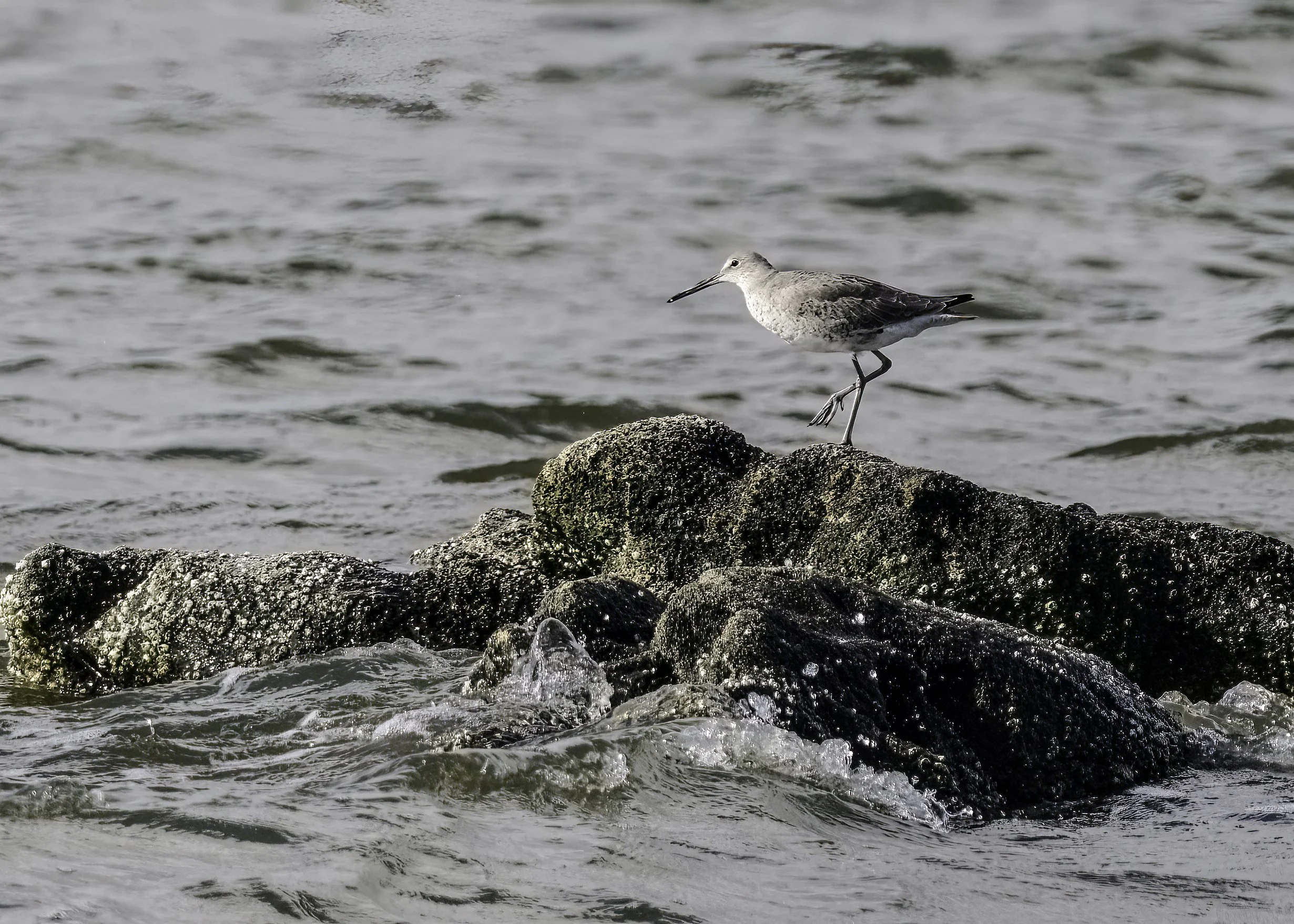
Western willet - Photographed earlier at Haulover Canal - Note lighter general appearance and more robust body
Next on display was the Black-bellied plover. This bird is well on its way to molting into its breeding plumage with a full dark belly. This was a first of the year bird for me as they have not been prevalent along the shore until now.
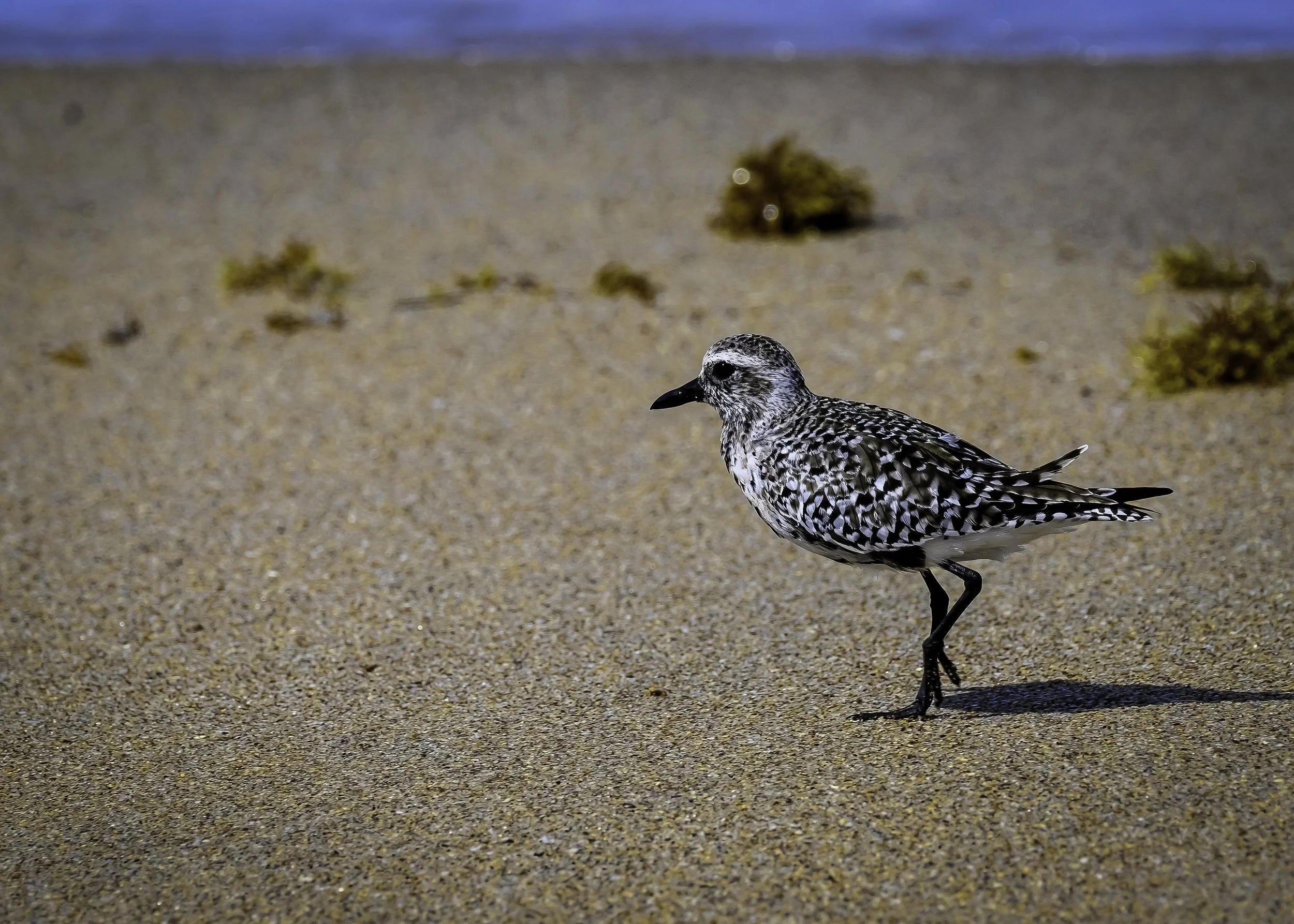
Black-bellied plover - Canaveral National Seashore - 4/13/26
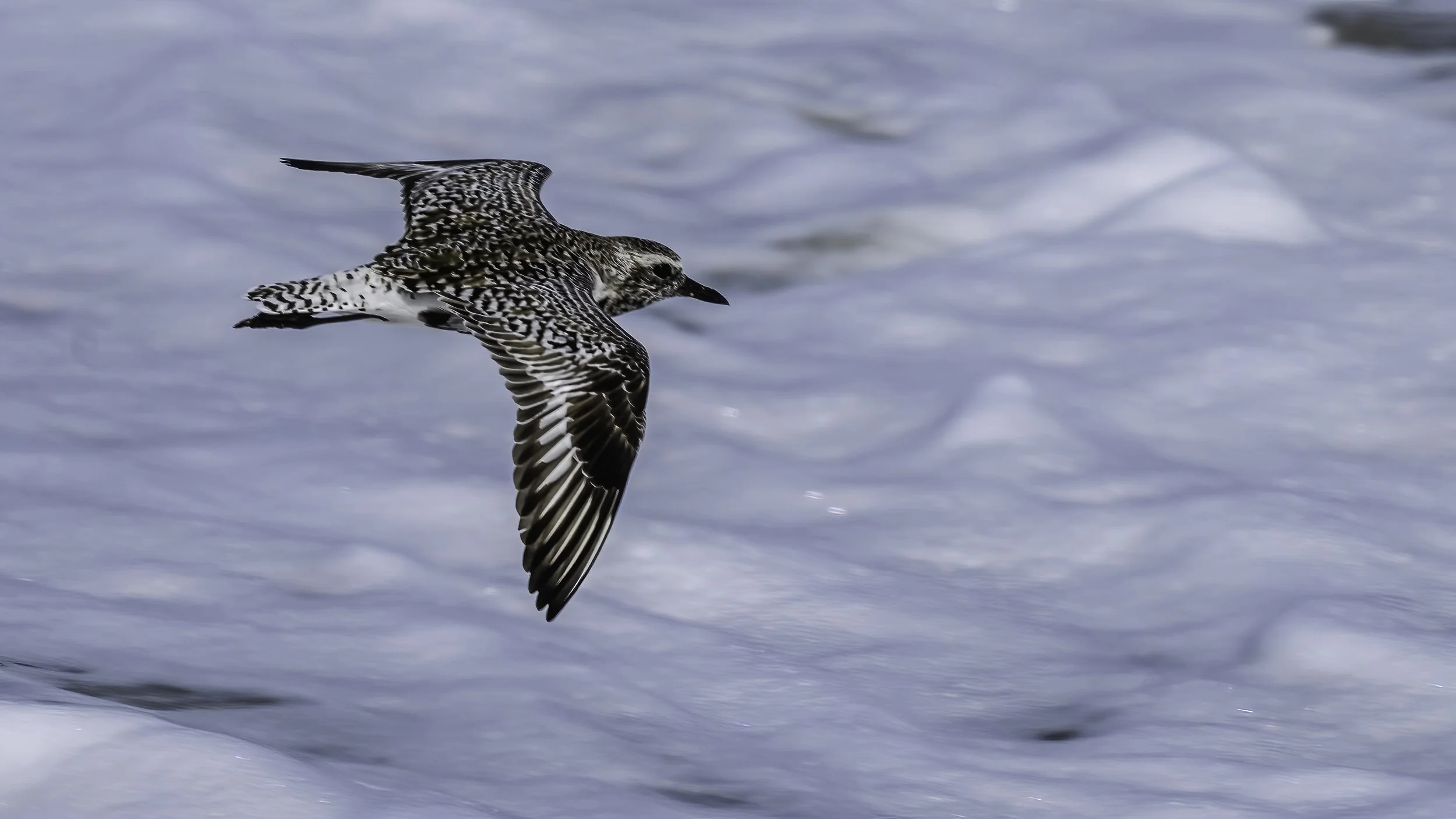
Black-belly in flight - Canaveral National Seashore - 4/13/26
In flight, the Black belly displays distinct black “arm pits” (which sadly from the point of view of this image are not visible) and a bright white tail which is just coming into full breeding plumage on this bird.
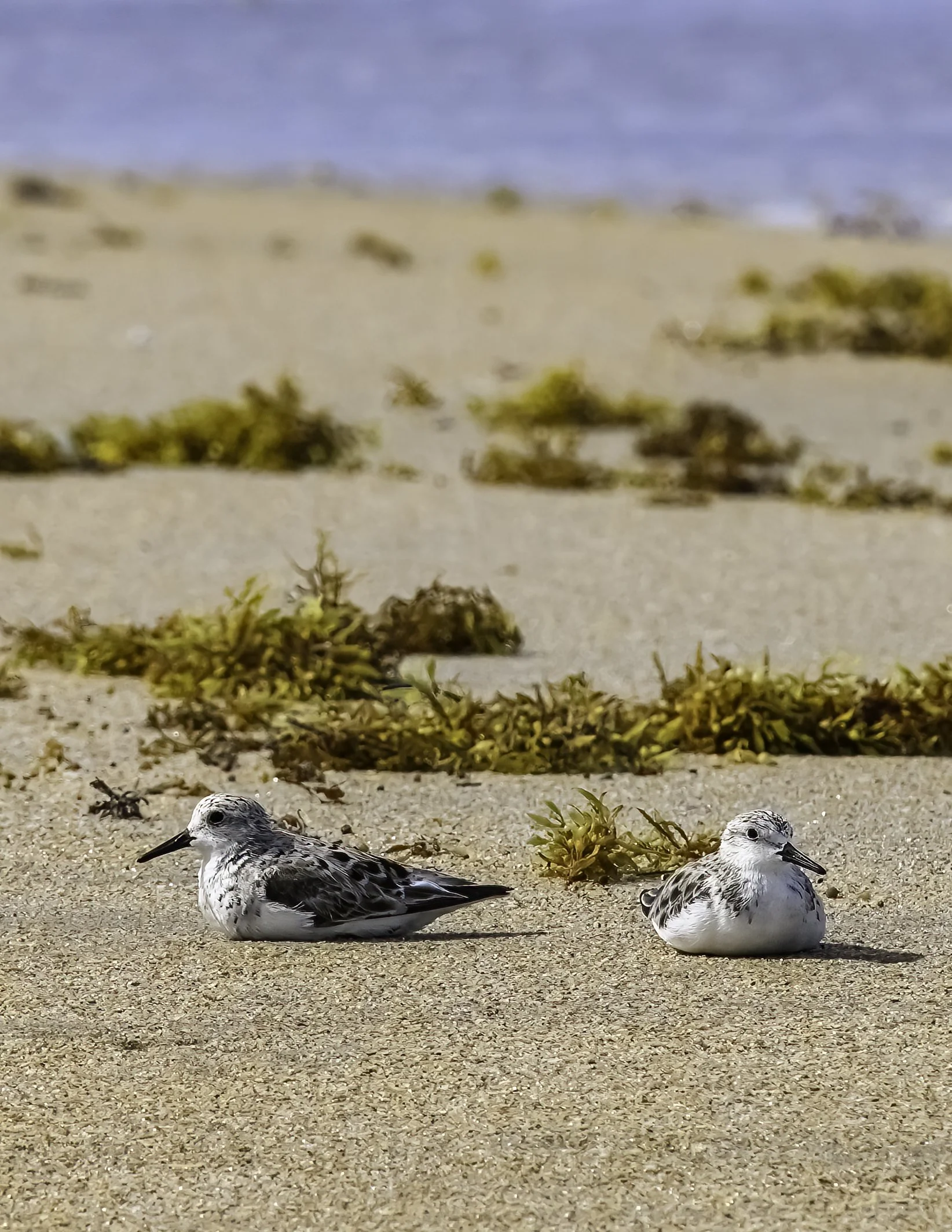
Sanderlings - Canaveral National Seashore - 4/13/26
Sanderlings, most often seen chasing the wash of the waves back and forth across the beach, were also present albeit in small numbers. I liked this pose since it one of the few moments when these birds are not in constant motion. Full bellies and a bit too warm for exerting themselves right now, I guess.
Finally, our last bird at the beach today was the Ruddy turnstone. Aptly named for its foraging MO of scouring the beach and flipping over debris (hence the name Turn Stones) looking for any bugs, worms, crustaceans that might just be hiding underneath. With all the seaweed that has been washed up onto the beach with our recent strong east winds, this should be a veritable feast for these little guys. One of our most handsome shore birds, it always makes for nice images.
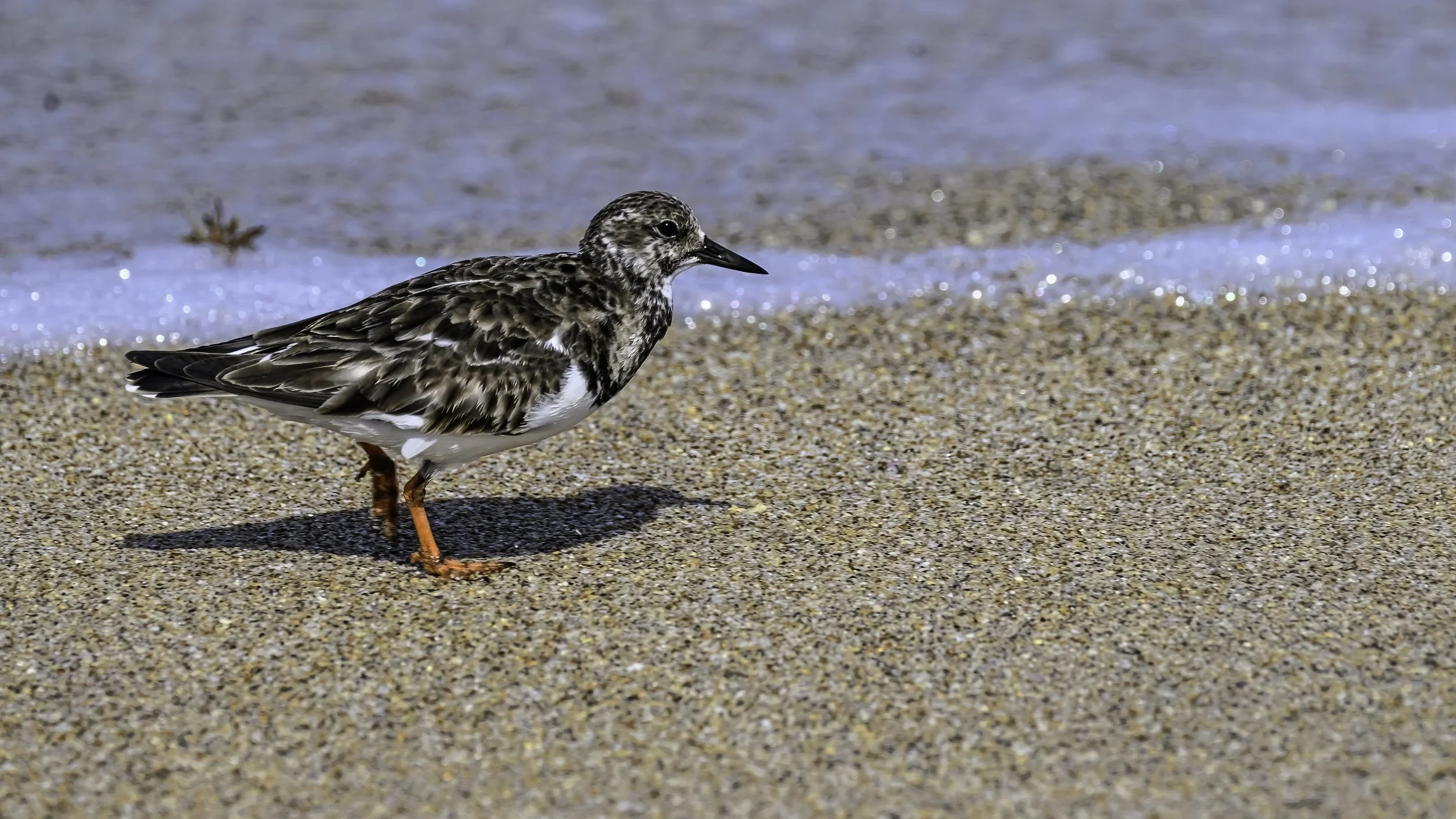
Ruddy turnstone - Canaveral National Seashore - 4/13/26
And so it was a pleasant afternoon to stroll along the beach with camera in hand and many opportunities to grab some interesting shots of some of Florida’s most typical species along this beautiful coastline.