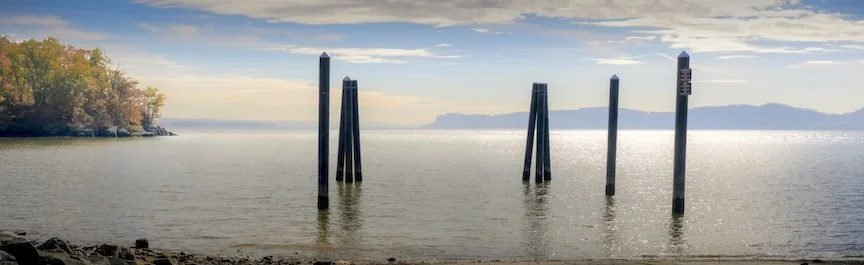
George’s Island - Haverstraw Bay - 11-2-26
Took a drive south along the east shore of the Hudson from Bear Mountain to Haverstraw Bay. We often follow this route later in the winter in search of Bald eagles which migrate south to the open waters of the Hudson when the lakes and rivers in the north are frozen solid. Eagles rely upon fish for the majority of their diet and if the waters surface is frozen over, there is obviously no access to this resource. Here in the southern reaches of the Hudson, the current, tides and river traffic tend to keep the river relatively open and the eagles can more easily access fish. One spot where the eagles often congregate in winter is at George’s Island at the north end of Haverstraw Bay. It is far too early for the waters in to north country to be frozen, so the few eagles we do find now are local residents.
As the season progresses, we also hope to find waterfowl which have also fled south to find open waters. Right now, it is primarily Mallards which are moving through as well as some resident birds. Later in the season, we will find Canvasbacks, Northern shovelers, Common mergansers, Buffleheads, Ruddy ducks and Ring-necked ducks. We’ll be keeping a watchful eye out for these and more as the temperatures begin to drop. Yesterday, air temperature here in the mid-Hudson Valley was 72 degrees, so I imagine we still have some time to go before these fowl appear in any numbers.
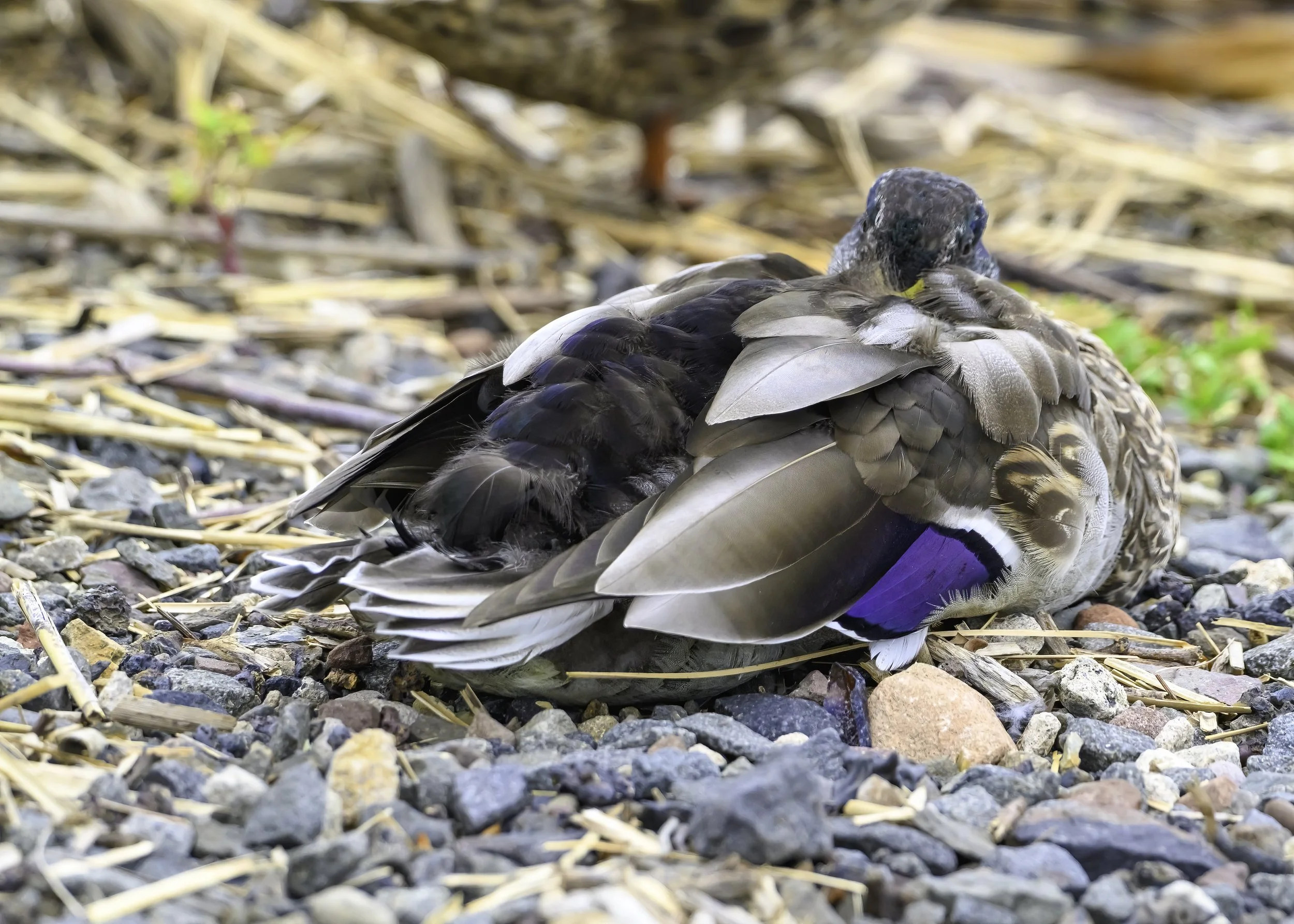
Mallard drake on the banks of the Hudson
Gull species remain fairly constant here in the winter with the most common being the Ring-billed gull. These gulls are a common winter sight in the mid-Hudson Valley, congregating along riverbanks, docks, and marinas. Their clean white plumage, gray wings, and distinctive black ring around a yellow bill make them easy to identify against the often muted winter landscape. They feed opportunistically—picking at aquatic invertebrates, roadkill, discarded human food, and small fish—often forming loose flocks that wheel and quarrel noisily as they compete for resources. In colder snaps, they cluster near ice-free stretches of the Hudson River and around wastewater treatment plants or power-plant discharge areas that provide warmth and food.
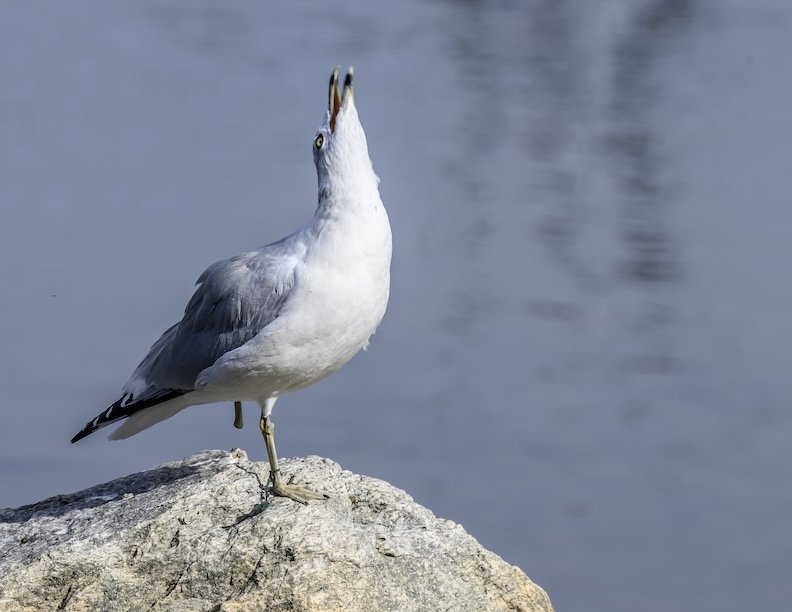
Ring-billed gull-Indian Point-11-2-26
As if the winter chill was not enough to deal with for these gulls, other natural and not-so-natural hazards such as discarded fishing line and other refuse can be a death trap for these birds. Note that the individual above has already lost a foot and has more material wrapped around his remaining “good” leg. These are incredibly hardy birds.
American Herring gulls and occasionally Great Black-backed gulls can also be found during the year in this area. The Newburgh waterfront several miles to our north seems to attract a good number of these species and in winter has also brought in Glaucous gulls, Iceland gulls, and and even rarer Glaucous-winged gull. Always something to keep our an eye out for along the river. Last year, a rare Franklin’s gull spent part of the winter at the Newburgh Water Treatment Plant!
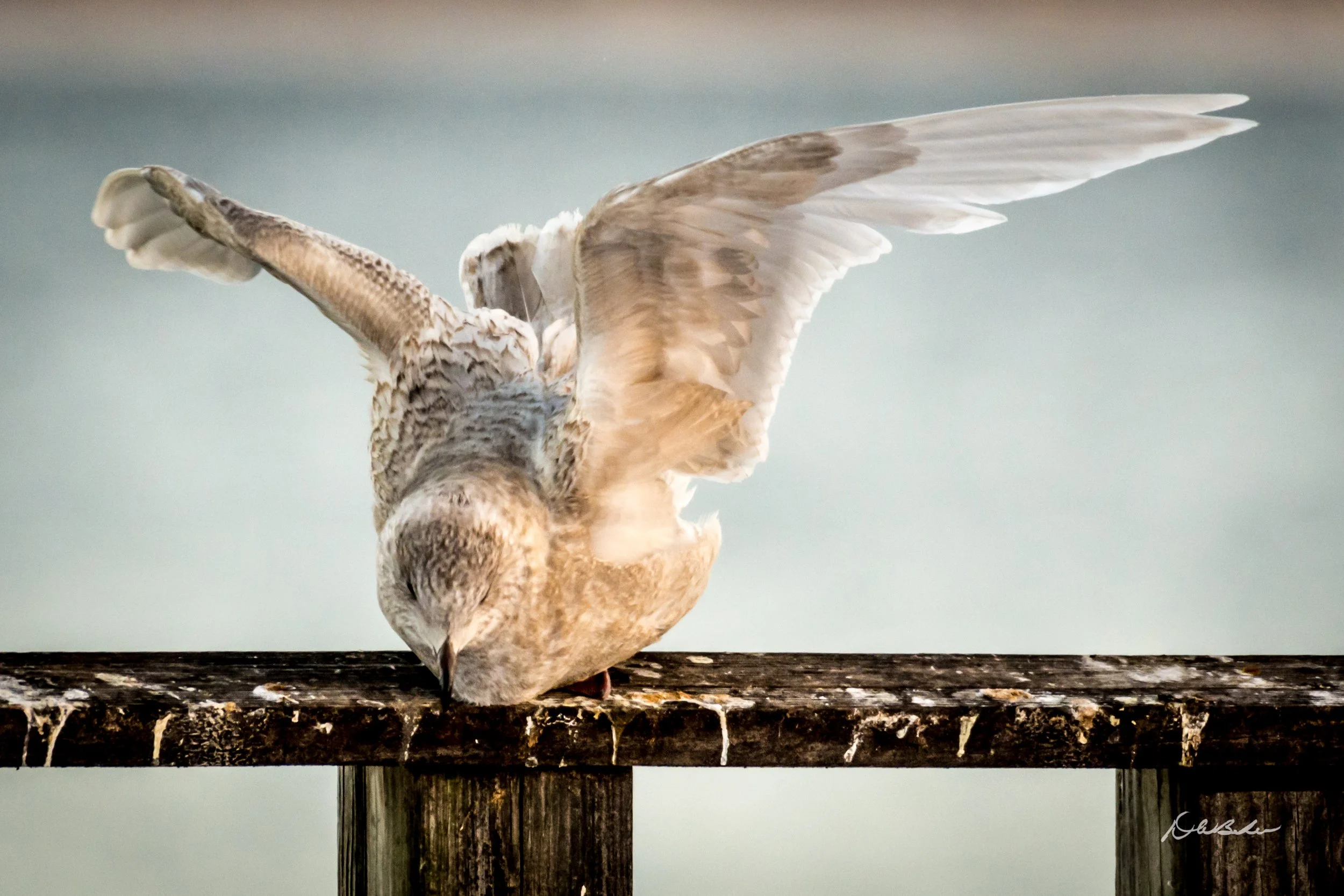
A rare Iceland gull- Newburgh Waterfront- 1/1/18
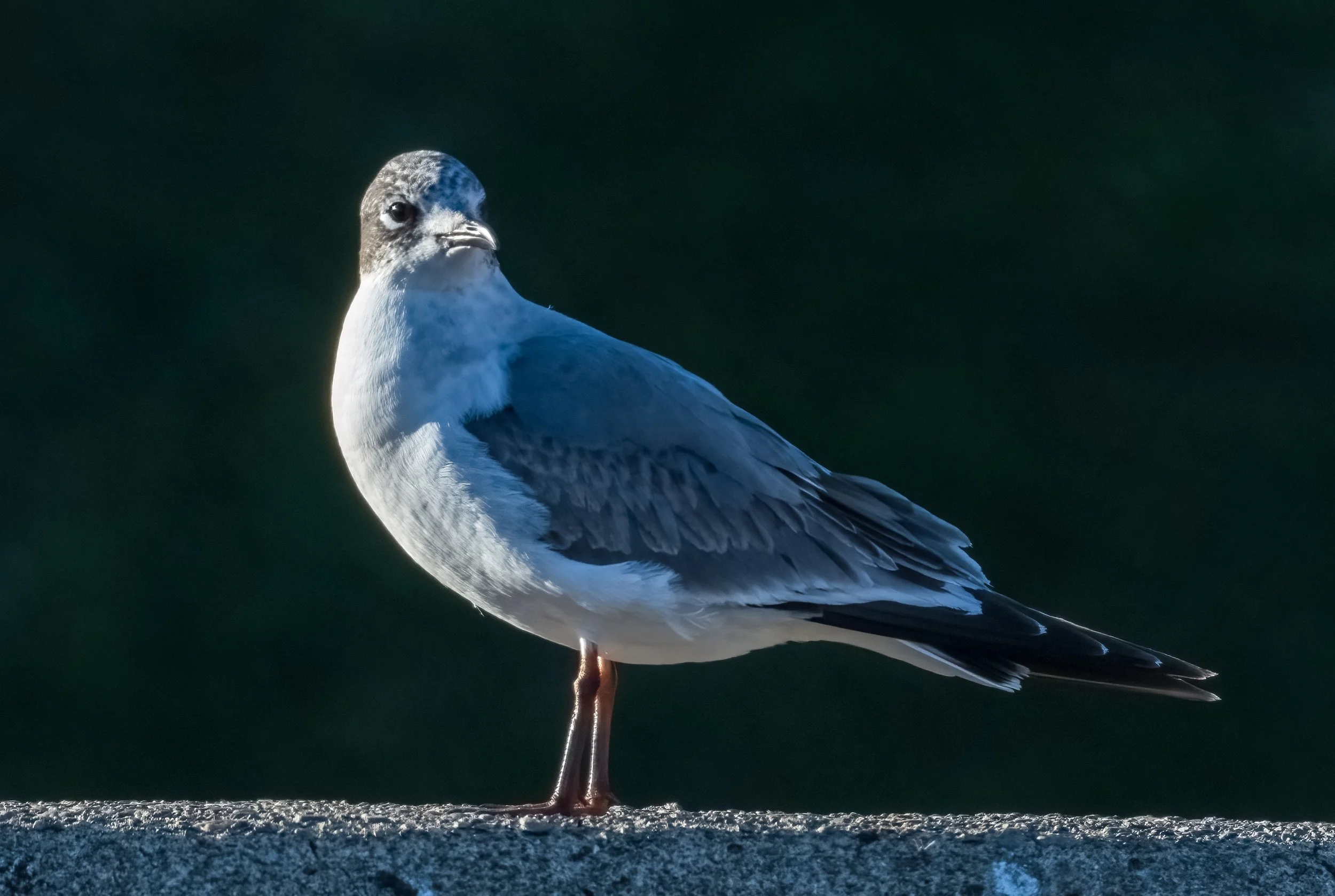
A rare Franklin’s gull - Newburgh Waterfront - 12/20/25
With winter just around the corner, it is only a matter of time before we start to see more and more visitors from the north heading into our area to escape the bitter cold and frozen landscape and waters of the northern climes. The valley can be a magical place for bird enthusiasts during the coldest months of the year.