July Gallery
As has been mentioned ad nauseam during this past month, birding during the heat of the summer is not the most productive. Many birds are on the nest and remain quiet to avoid detection by predators. Others have already begun to make the flight south. The birds that do remain in the area, however, are quite happy to visit our feeders in the back yard. There are many different opinions about feeding birds during hot summer months….do they really need to be fed? Summer is generally a time of plenty with an abundance of vegetation and insects for the birds to consume. Well, they may not need to be fed, but if the level of activity at the feeding station here in our yard is any indication, it is appreciated! And so, this installment of Natdigital 2025 will concentrate on the images of many of the birds seen at our feeder these past couple of weeks.
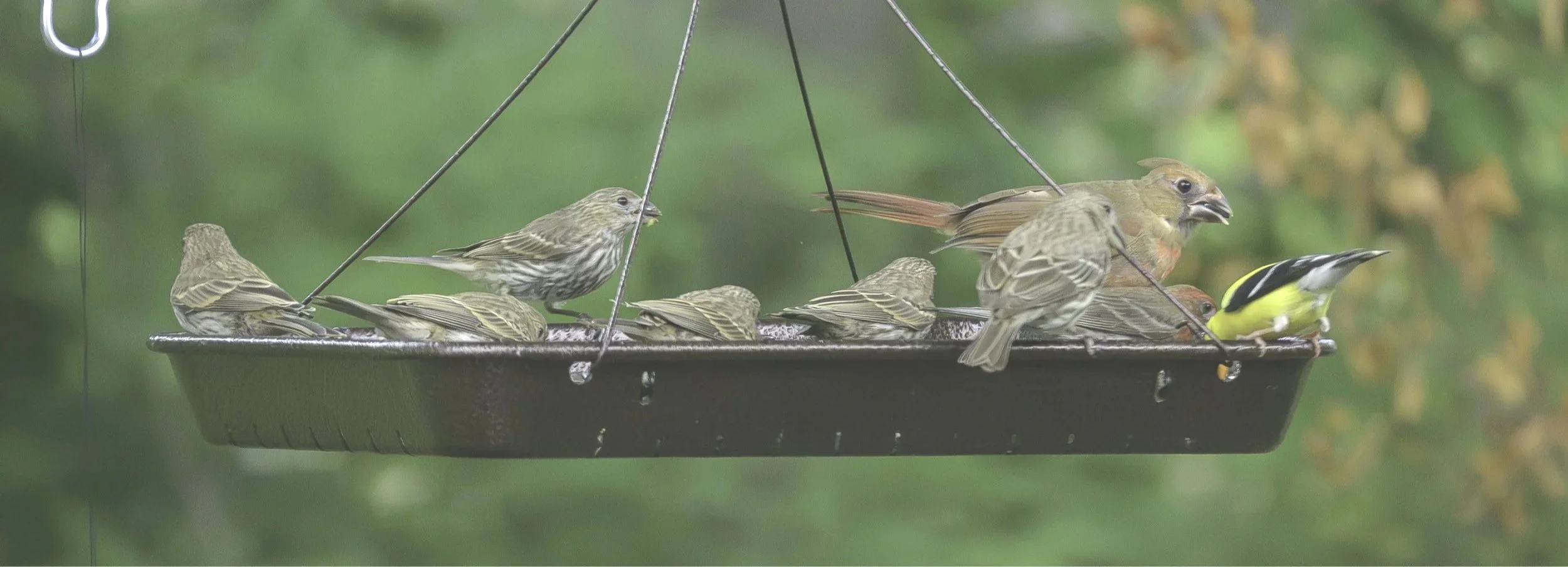
House finches and a lone Goldfinch - Ondaora
Not uncommon to have many House finches sharing the platform feeder with other species such as this lone American goldfinch.
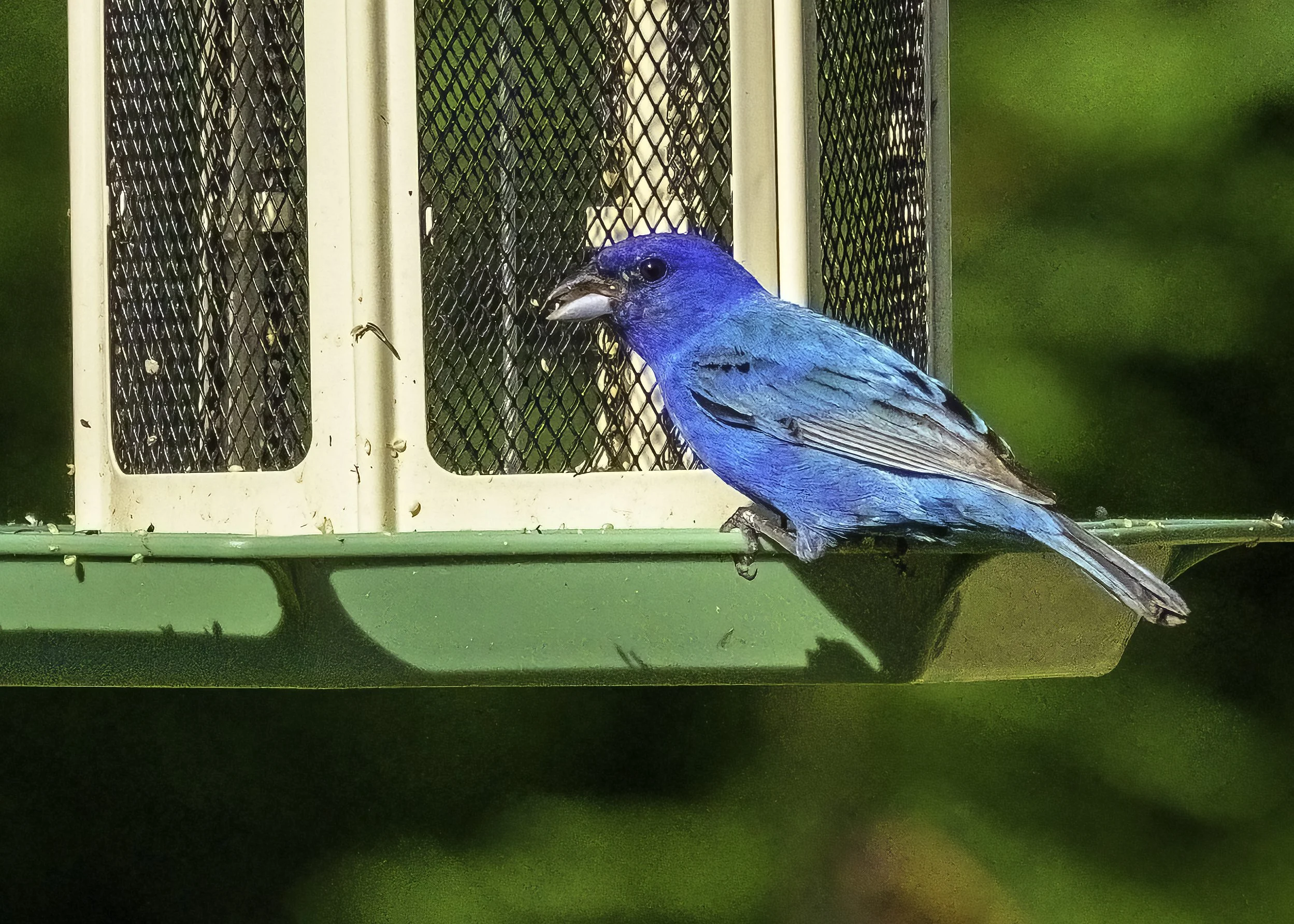
Indigo bunting - Ondaora
Always a pleasure to see this occasional visitor. Indigo buntings usually show up around the dinner hour for whatever reason. Certainly a spectacular passerine well worth the price of summertime feeding!
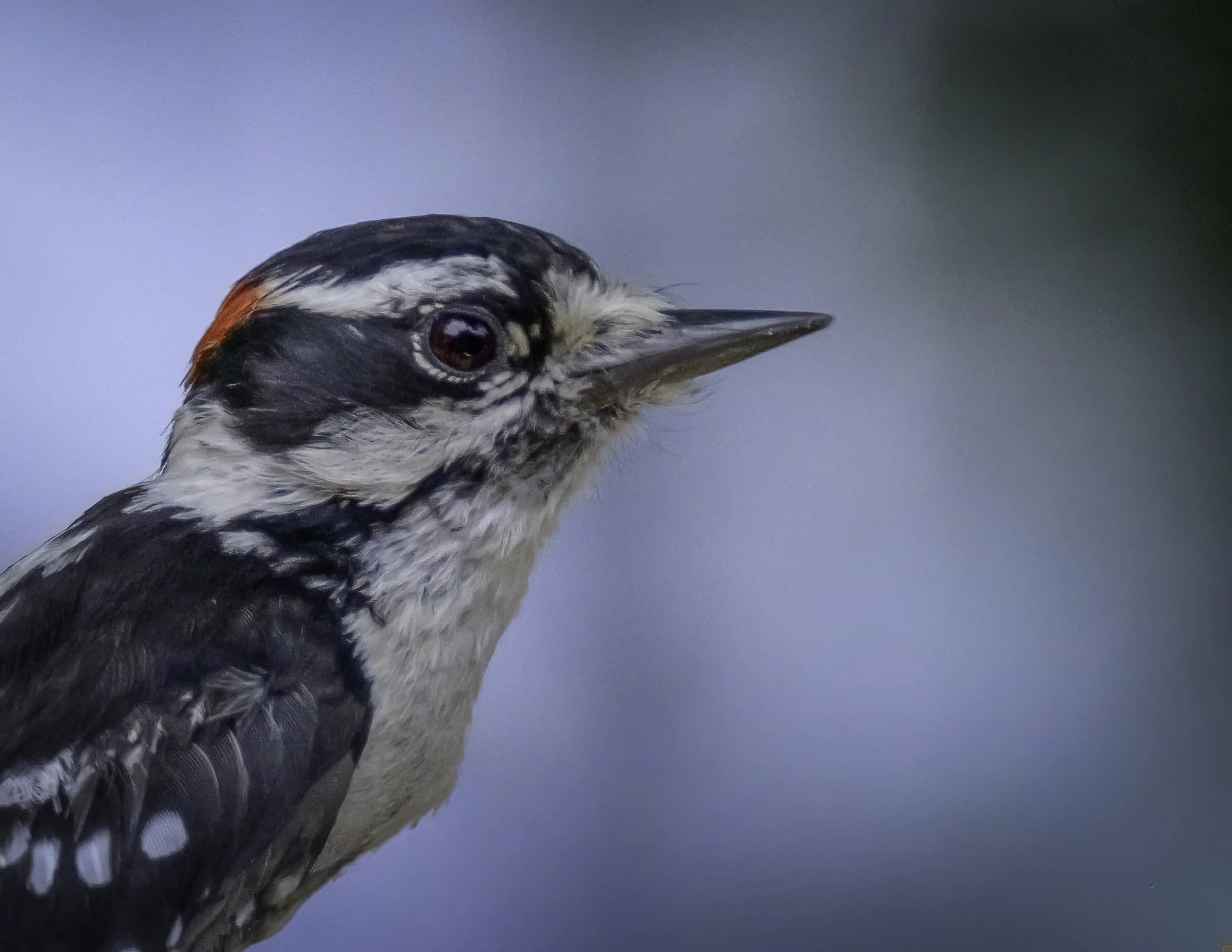
Downey woodpecker - Ondaora
We have a regular stream of woodpeckers at the suet and woodpecker seed block at the feeding station. This is a male as determined by the reddish spot on the nape of the bird. A much rarer (at least at our feeders) Hairy woodpecker (see below) made an appearance just several days ago. So similar, but slightly larger with a slightly longer and heavier bill.
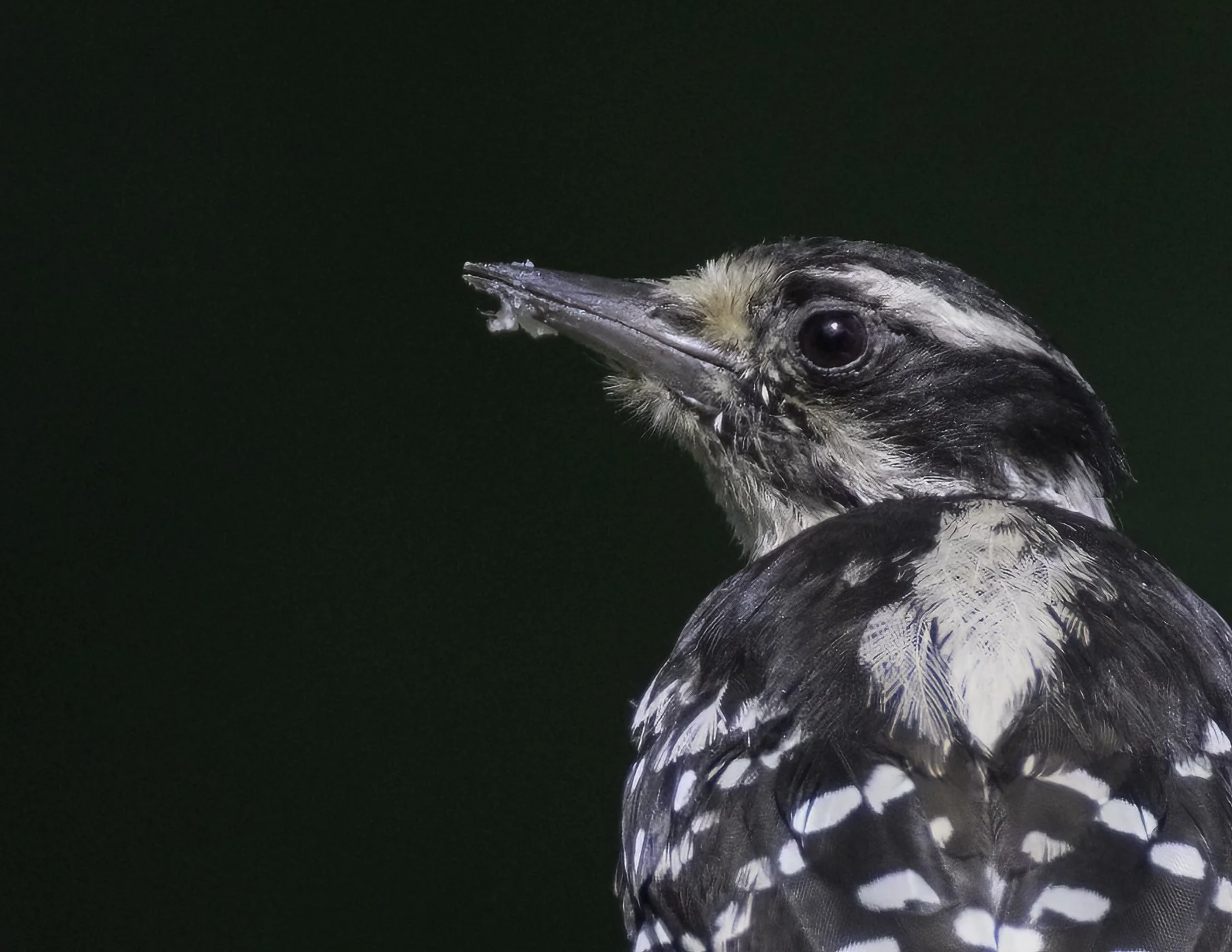
Hairy woodpecker - Ondaora
While these are some of the smallest woodpeckers in the Northeast, we did have the largest - the Pileated - come through the backyard making quite the racket with its raucous calls. Red-belled woodpeckers are also regular visitors.
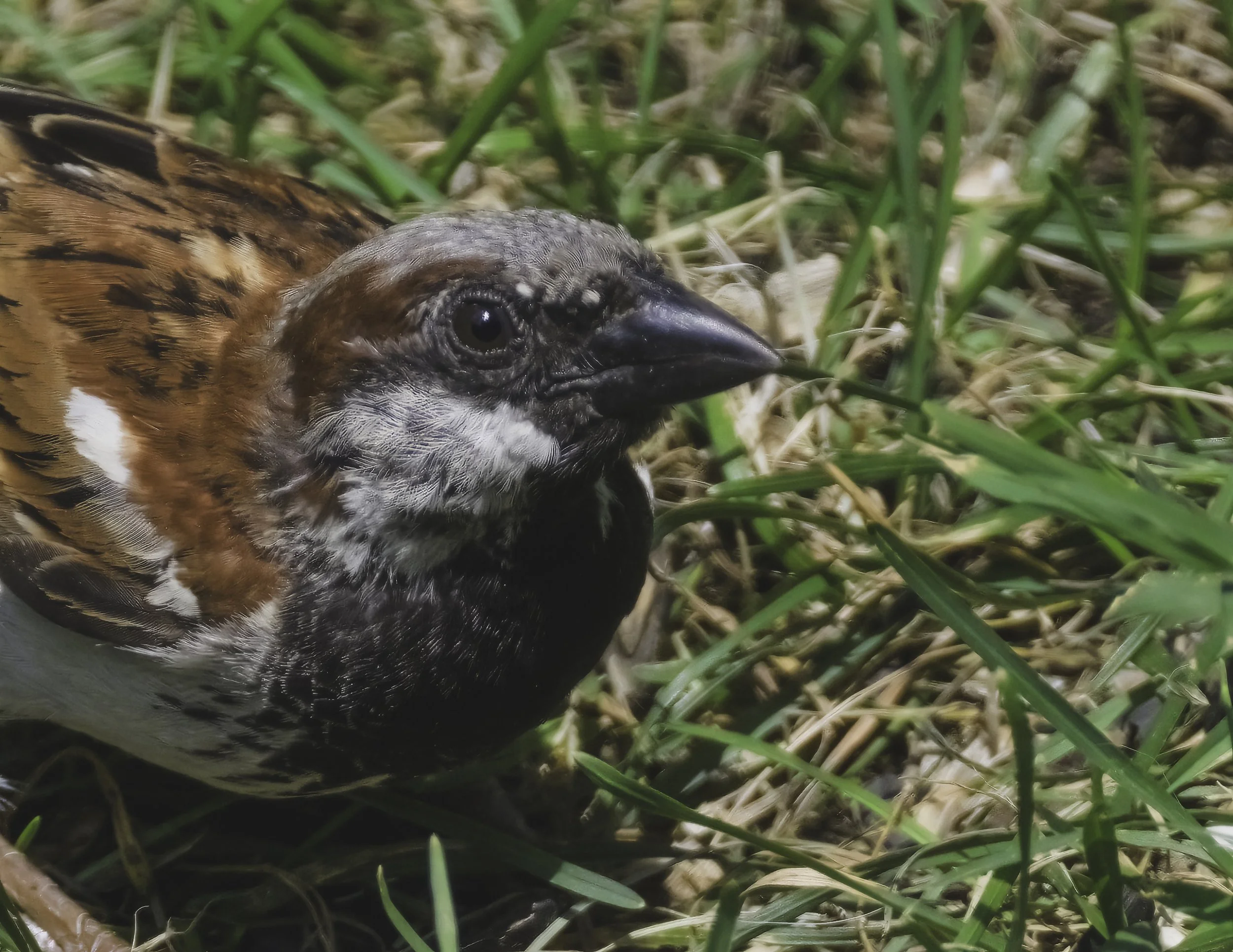
Adult male House sparrow - Ondaora
Our sparrows are generally two species - the House sparrow seen above and the chipping sparrow below. House sparrows nest in the eaves of our home each year and lately, the numbers of young at and below the feeders has increased substantially. We can only assume that these are the young from our nest here at the house. Th chipping sparrow on the other hand has been a constant presence at the finch feeder, but the numbers seem to be lessening as we get into August. Heading south???
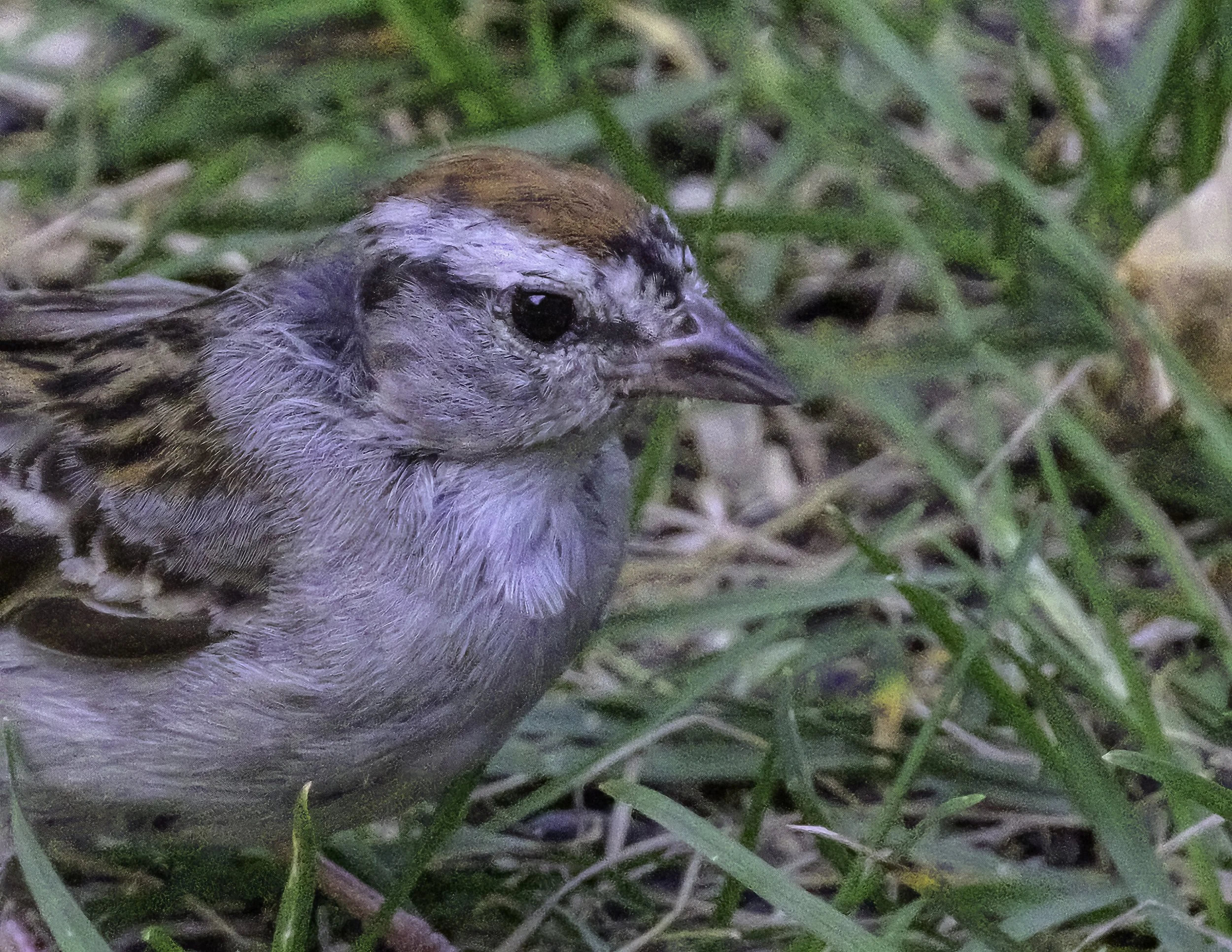
A wet Chipping sparrow - Ondaora
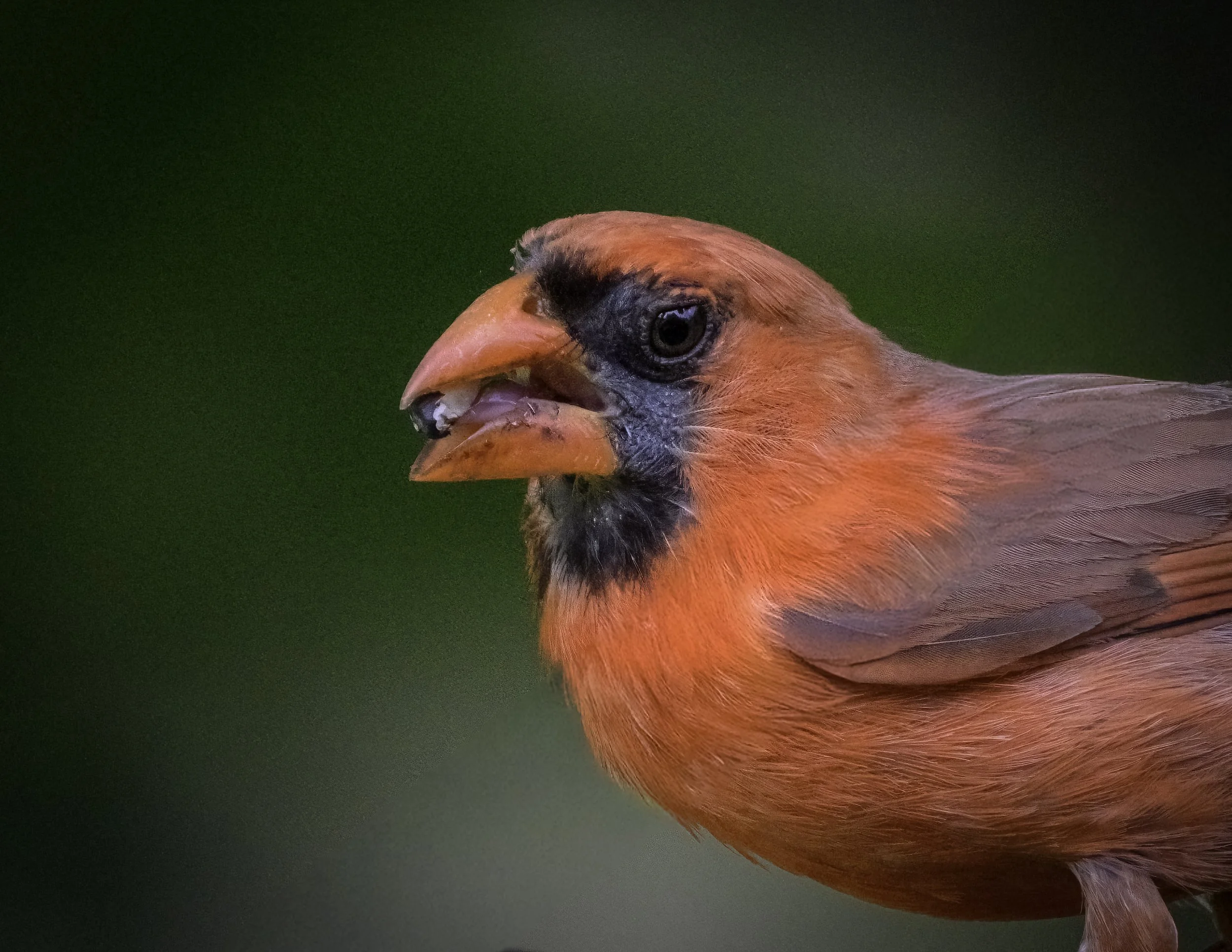
Male Northern cardinal - Ondaora
Northern cardinals have been constantly seen at the platform feeder which is stocked with Black oil sunflower seeds - one of their favorites. We have at least two mated pairs which have been here all summer, but do not recall seeing more than the two pair. They are territorial and it looks like these two couples are willing to share the turf with each other. Several other species make an occasional appearance but are now seen each and every day - the Tufted titmouse, the White-breasted nuthatch, and the Black-capped chickadee.
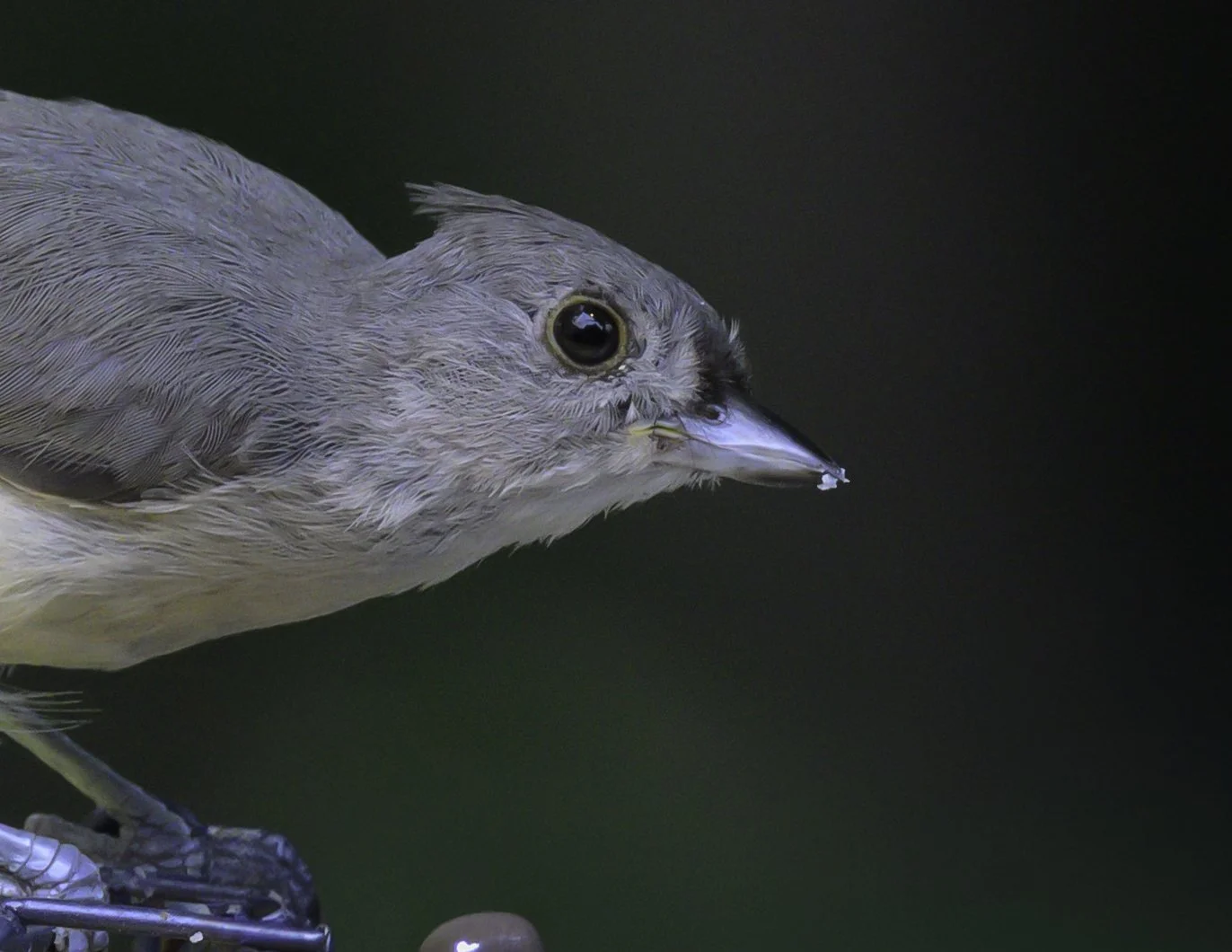
Tufted titmouse - Ondaora
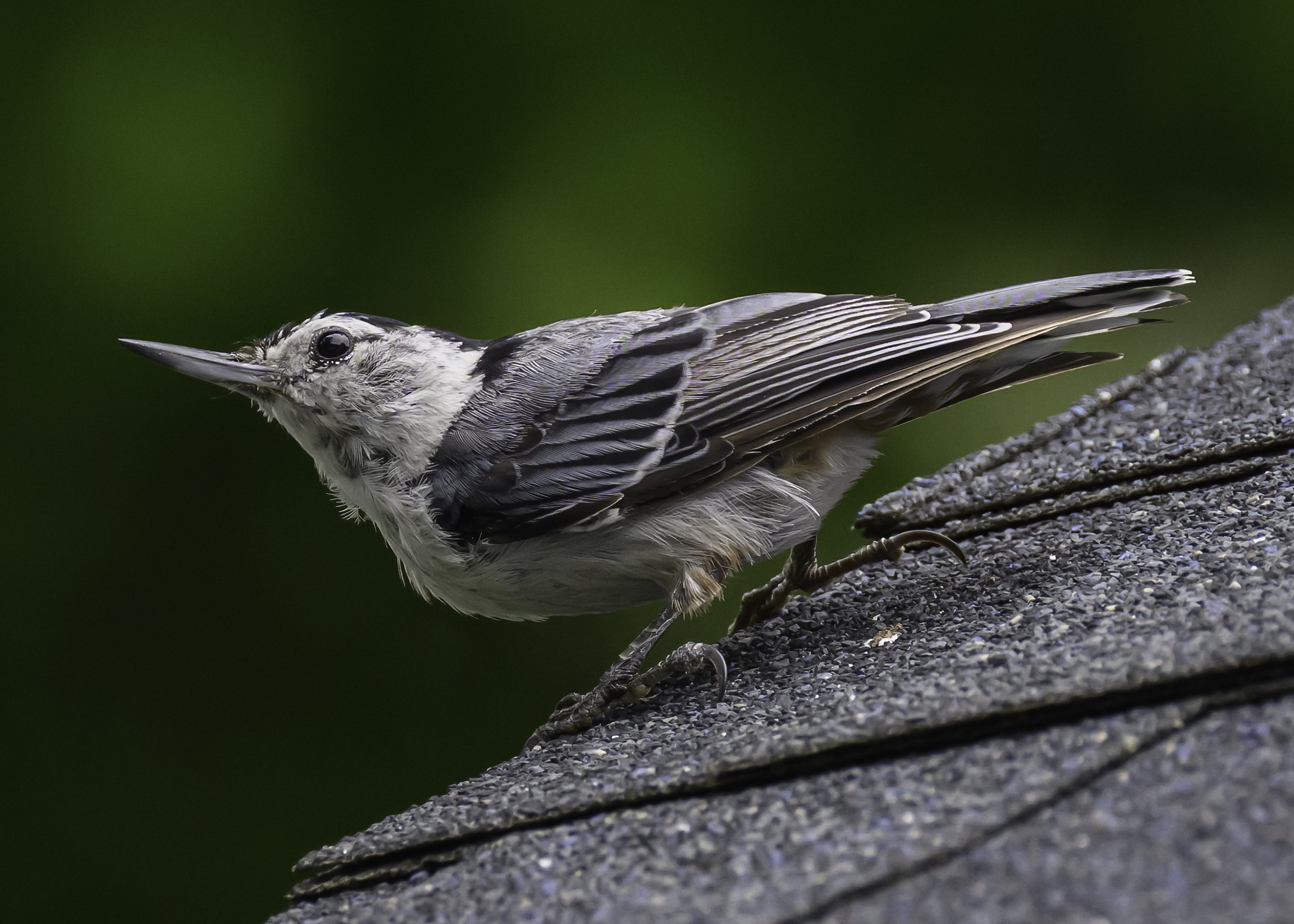
White-breasted nuthatch - Ondaora
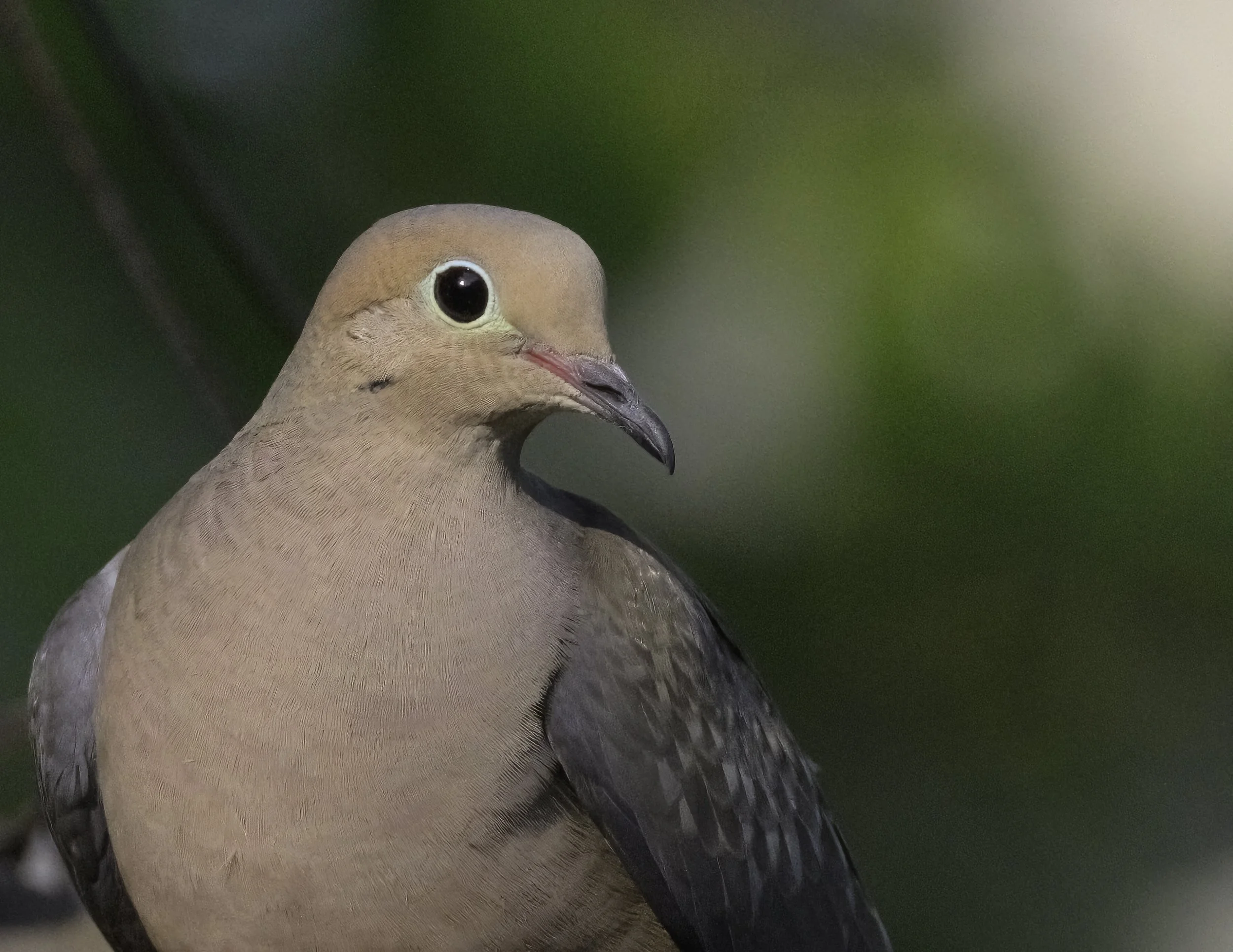
Mourning dove - Ondaora
The Mourning dove is often seen perched on the platform feeder. In spite of its much larger stature, it seems more than willing to share this feeder with any and all callers. The occasional more aggressive grackle may take over the feeder on occasion, but for the most part the dove has no problem finding a seat at the table.
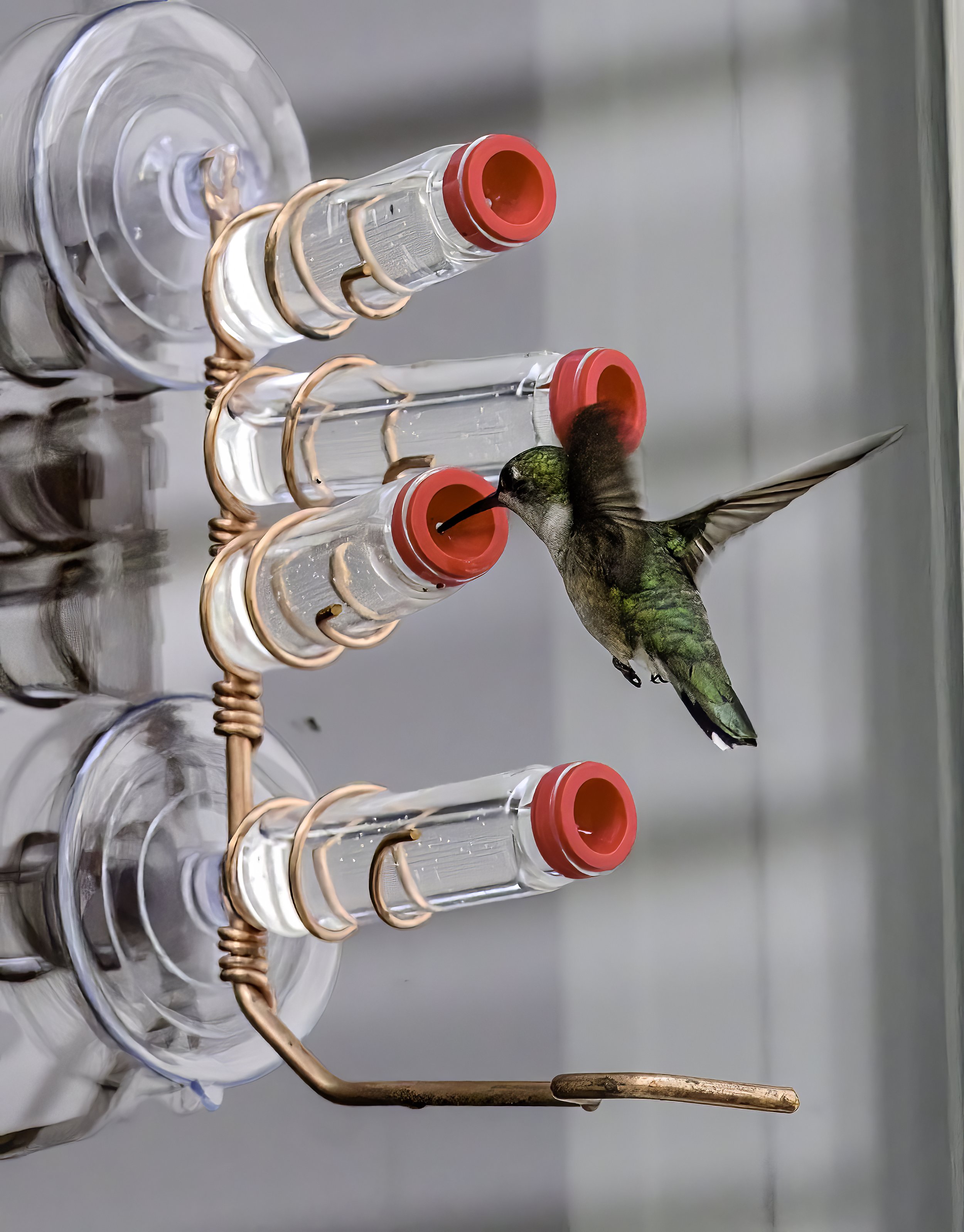
Ruby-throated hummingbird - Ondaora
We just installed a new window mounted hummingbird feeder on our kitchen window and it took all of less than an hour for the locals to find it and drain it. I have to fill the four vials each and every morning & by evening, they are empty. Keep in mind that we have two other hummer feeders and two large “firecracker plants” from which these guys feed, so they are quite happy with the arrangements here in Ondaora Park.
I should note that some of the birds that were “always” at the feeders in early July have all but disappeared. The Brown headed cowbirds, the Common grackles, the Fish crows, and European starlings are noticeably absent of late. I am not awfully sad to see them go. While I am happy to feed any and all species that show up, the blackbirds have voracious appetites and I am constantly refilling the feeders when those birds are on site. Have they moved south? Have they found better fare? We’ll see and we’ll also see what new species show up in August as the birds make the move back to the wintering grounds in the south. Always something to see and often something new to keep us entertained.