Signs of Summer
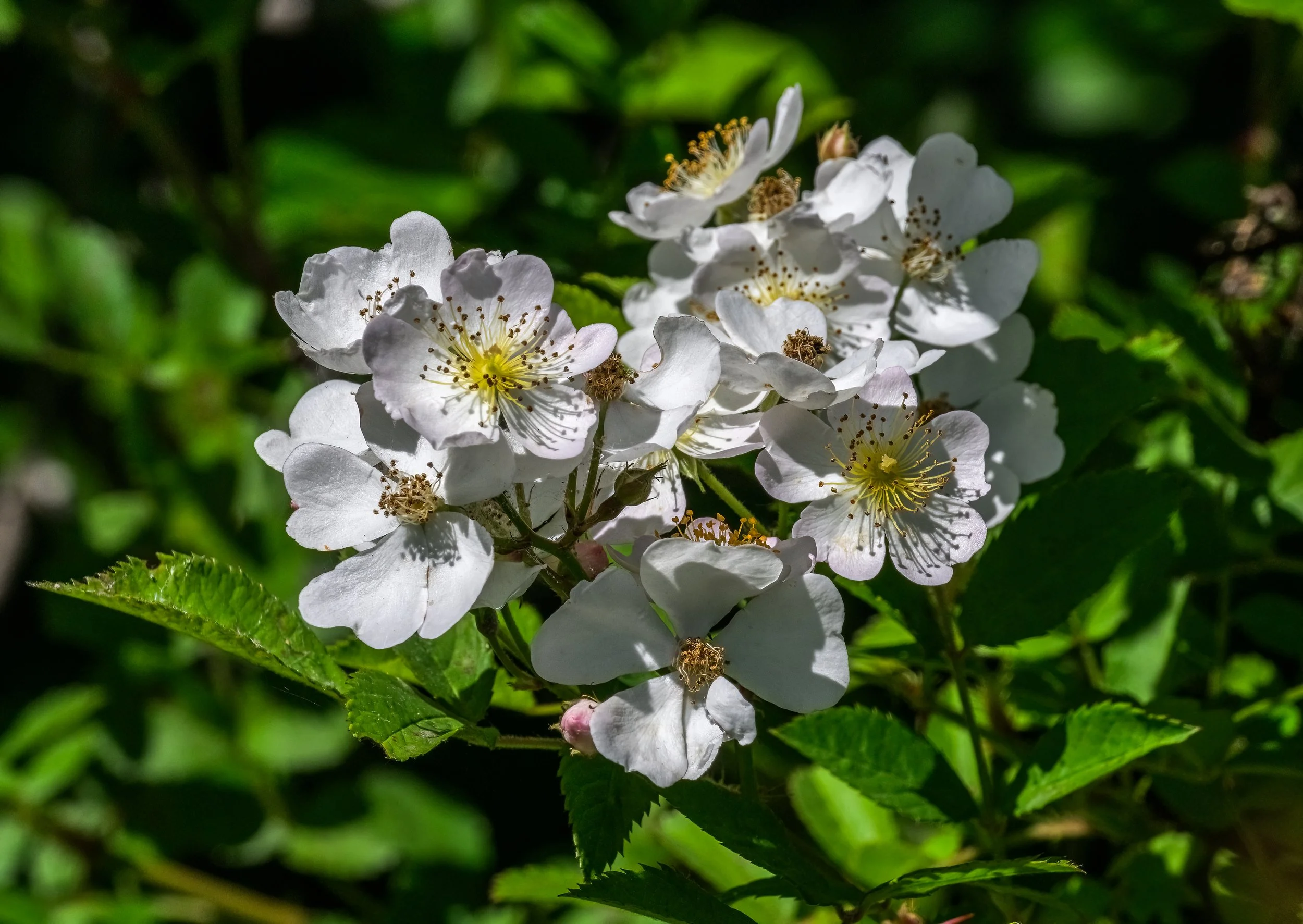
Multiflora rose - Iona Island - 5/31/26
With the first day of June fast approaching, one cannot help but notice the sudden wash of color across the landscape as the spring flowers are now being revealed in all their splendor. It seems that the small white flowers of the Multiflora rose are virtually on every roadside and every creek bank.
Regardless of its beauty, Multiflora rose (Rosa multiflora) is an aggressive, invasive shrub found throughout southeast New York where it thrives in disturbed sites, forest edges, hedgerows, and along roadsides. Originally introduced for erosion control and as a living fence, it forms dense, impenetrable thickets that outcompete native plants, reduce biodiversity, and alter wildlife habitat. It produces clusters of small white flowers in late spring to early summer followed by abundant red hips that birds disperse widely, helping it spread rapidly.
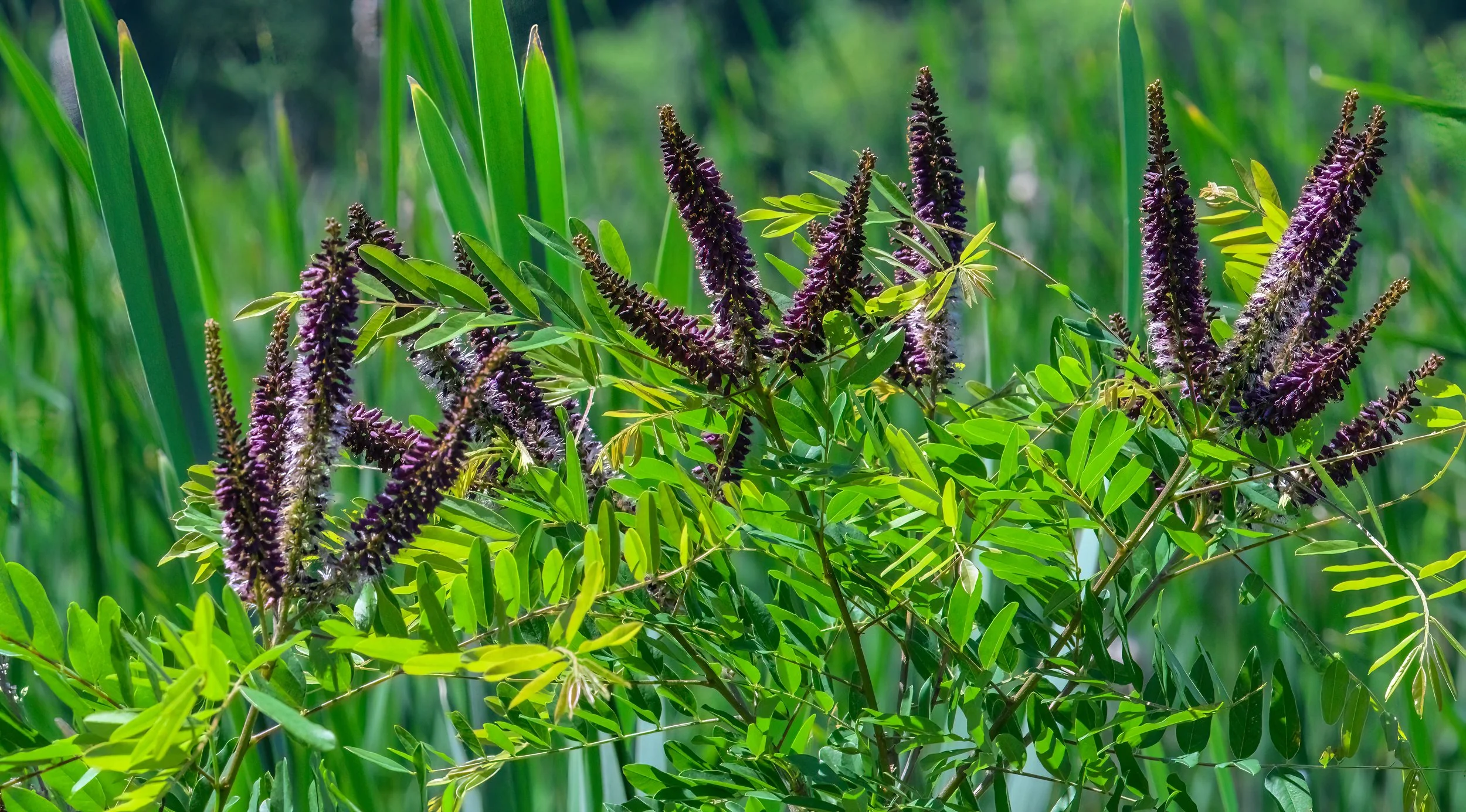
False Indigo Bush - Iona Island - 5/31/26
Another shrub which blooms in late spring and early summer is Amorpha fruticosa, commonly called False indigo bush or indigobush. Found in estuarine/marshland areas like Iona Island, this woody perennial shrub native to North America is characterized by its pinnate leaves, dense spikes of small purple flowers with conspicuously reduced petals, and prominent yellow-orange stamens. It typically grows 6–12 feet tall along streambanks, floodplains, and disturbed sites making it relatively easy to find. This plant tolerates wet to dry conditions, and provides nectar for bees and larvae for certain moths, but it can become aggressively invasive outside its native range and outcompete local vegetation.
Yet another sure sign that summer is just around the corner is the appearance of Yellow iris along the embankments of the causeway leading out to Iona Island.
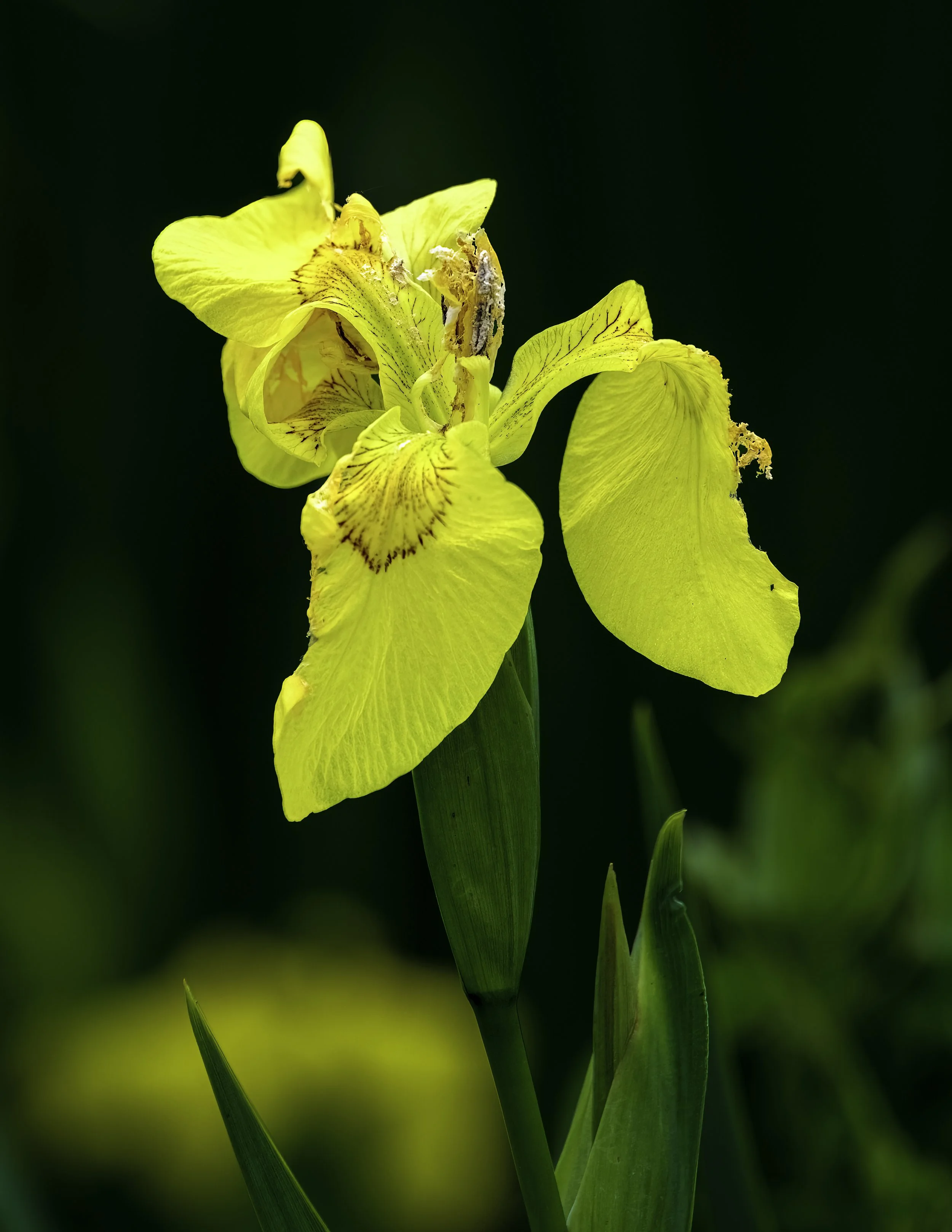
Yellow iris - Iona Island - 5/31/26
Yellow iris (Iris pseudacorus), an eye-catching wetland species, grows along marsh edges, roadside ditches, and slow-moving streams across southeastern New York, where its bright yellow, flag-like blooms appear from late spring into early summer. Adapted to saturated soils, it forms dense clonal stands that stabilize banks but can outcompete native plants, altering habitat structure and reducing biodiversity in some wetland sites. Along these same banks, the related Blue-flag iris will be appearing later in the season. While the blue-flag is native to New York, the Yellow is considered highly invasive. Sure is pretty though!
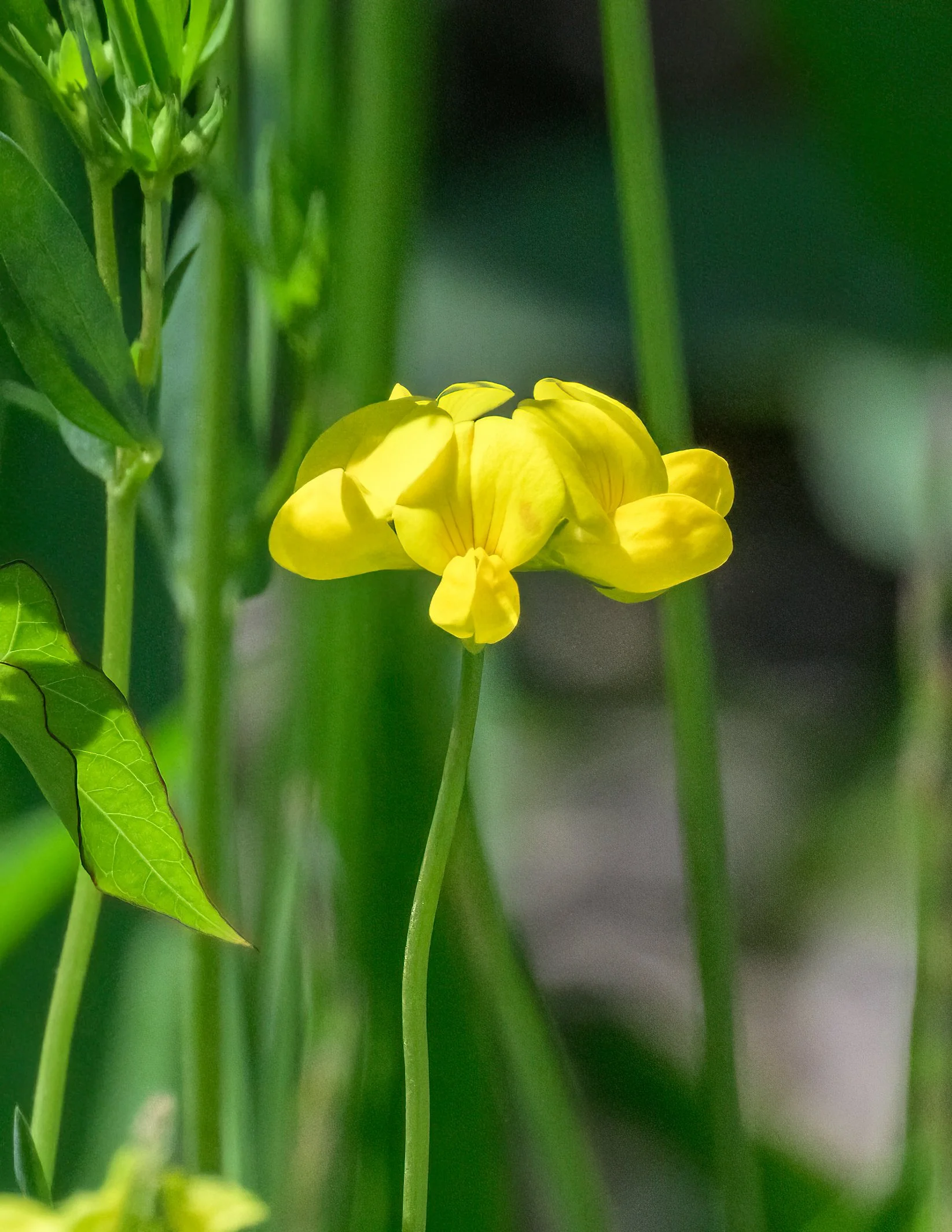
Bird’s foot trefoil - Iona Island - 5/31/26
Our final flower of early summer today is the Bird’s foot trefoil. Bird's-foot trefoil (Lotus corniculatus) in southeastern New York appears as a low-growing, nitrogen-fixing perennial with clusters of bright yellow to orange pea-like flowers from late spring and early summer right through early fall. Unlike the other flowering plants of the wetlands we’ve looked at today, it thrives in roadside verges, open fields, and dry, well-drained soils where it forms mats that help stabilize soil and outcompete some invasive grasses. Though not native to North America—it was introduced from Europe—it has become common in disturbed and semi-natural habitats across the region, supporting pollinators such as bees and butterflies Identifiable by its compound leaves with five leaflets and the characteristic clustered seed pods that resemble a bird’s foot, it is tolerant of poor soils and periodic drought, making it a persistent component of local plant communities.
As the summer season begins to take hold in earnest, we’ll be seeing more and more beautiful examples of the wild flora of New York State and with it the profusion of pollinators that are sure to follow.
Tech Tip - Time to break out those macro lenses for some gorgeous close-up shots of flowers and insects. For those who shoot with their iPhones, the newer models have special lenses included specifically designed for macro photography. For folks who have a newer model iPhone, just move in closely to your subject and the camera will automatically switch into “macro mode’. An icon of a yellow flower will let you know that the camera has switched into this mode for you. For those seeking a more “high end” macro app for you phone, check out “Halide Mark II” or “Macro Lens”. Again, try your iPhone without these advanced apps, and if you see that yellow flower icon appear in the lower left corner, you may well be perfectly pleased with what you already have. I wish you “Good shooting”!