Sexual Dimorphism
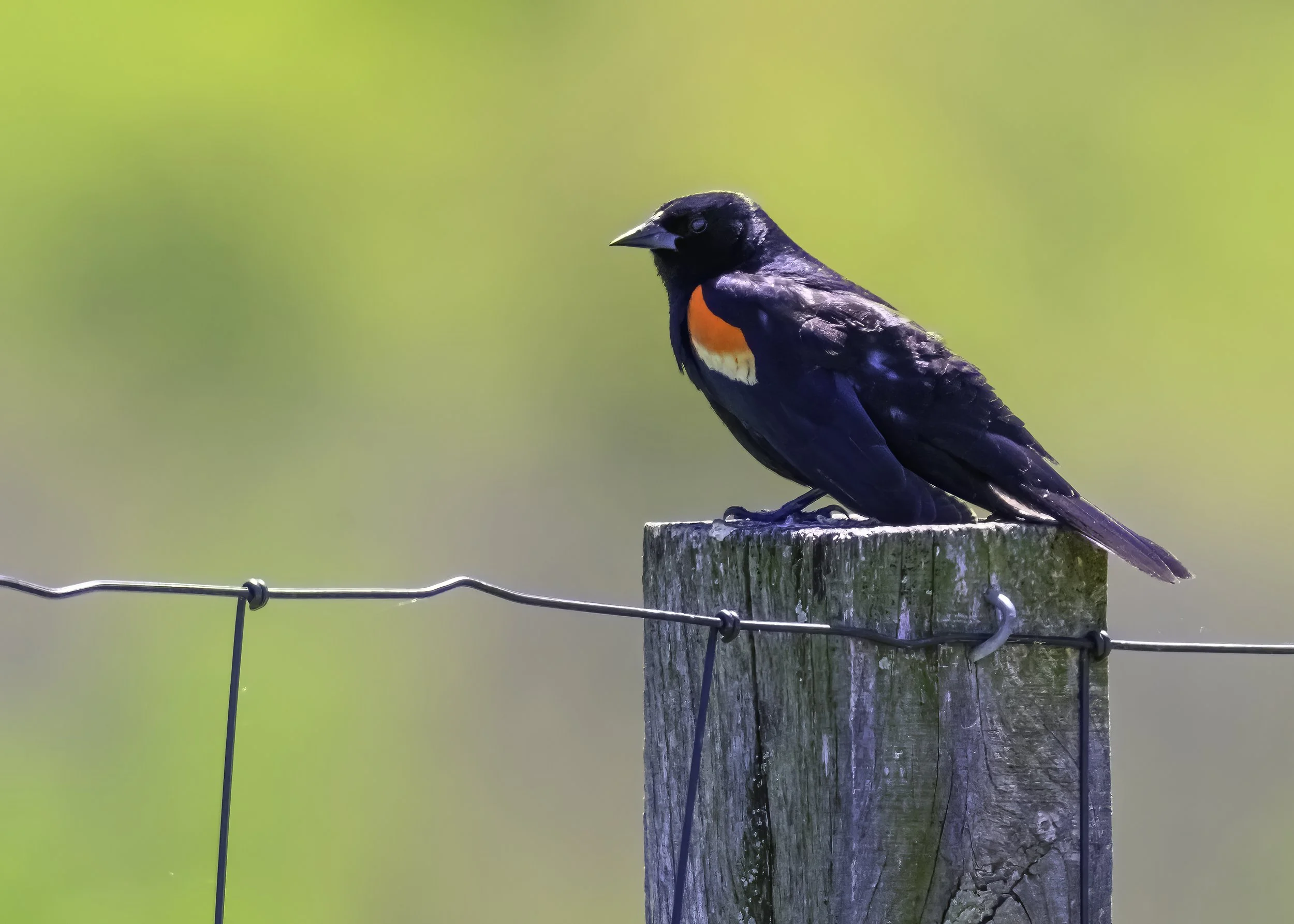
Red-winged blackbird - Male - Otterkill Road - 5/12/26
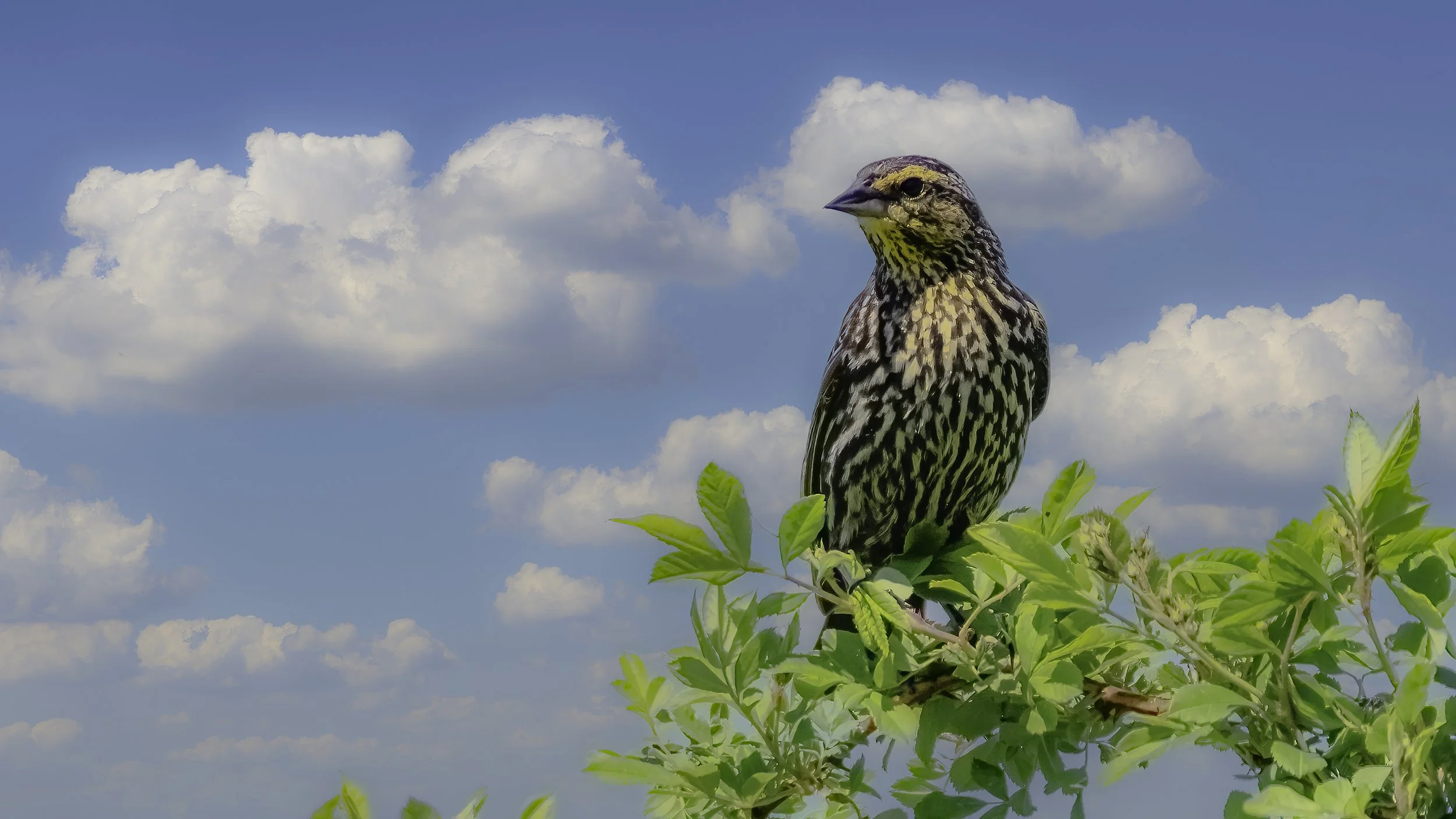
Red-winged blackbird - Female - 5/12/26
The two birds pictured above were seen along Otterkill Road in Cornwall, NY earlier this week. To the novice birder or most people not familiar with local avian wildlife, the assumption might be made that these are two completely different species. In fact, both birds are Red-winged blackbirds. But why do they look so different? The answer lies in a natural phenomenon known as “Sexual dimorphism”.
Sexual dimorphism in birds refers to physical differences between males and females of the same species, commonly manifested in size, plumage coloration, ornamentation, and sometimes vocal or behavioral traits. As an example, male Painted buntings (see images below) sport extravagant bright colors used in courtship displays, while females are more cryptically colored a light lime green to aid in nesting concealment. Dimorphism often arises through sexual selection—where mate choice and competition favor showy traits in one sex, typically males—and natural selection, which can favor more subdued traits in the other sex for predator avoidance or parental duties. The degree and direction of dimorphism vary widely across avian taxa. Raptors and many shorebirds show reversed size patterns with larger females, while many passerines exhibit strong male-biased ornamentation.
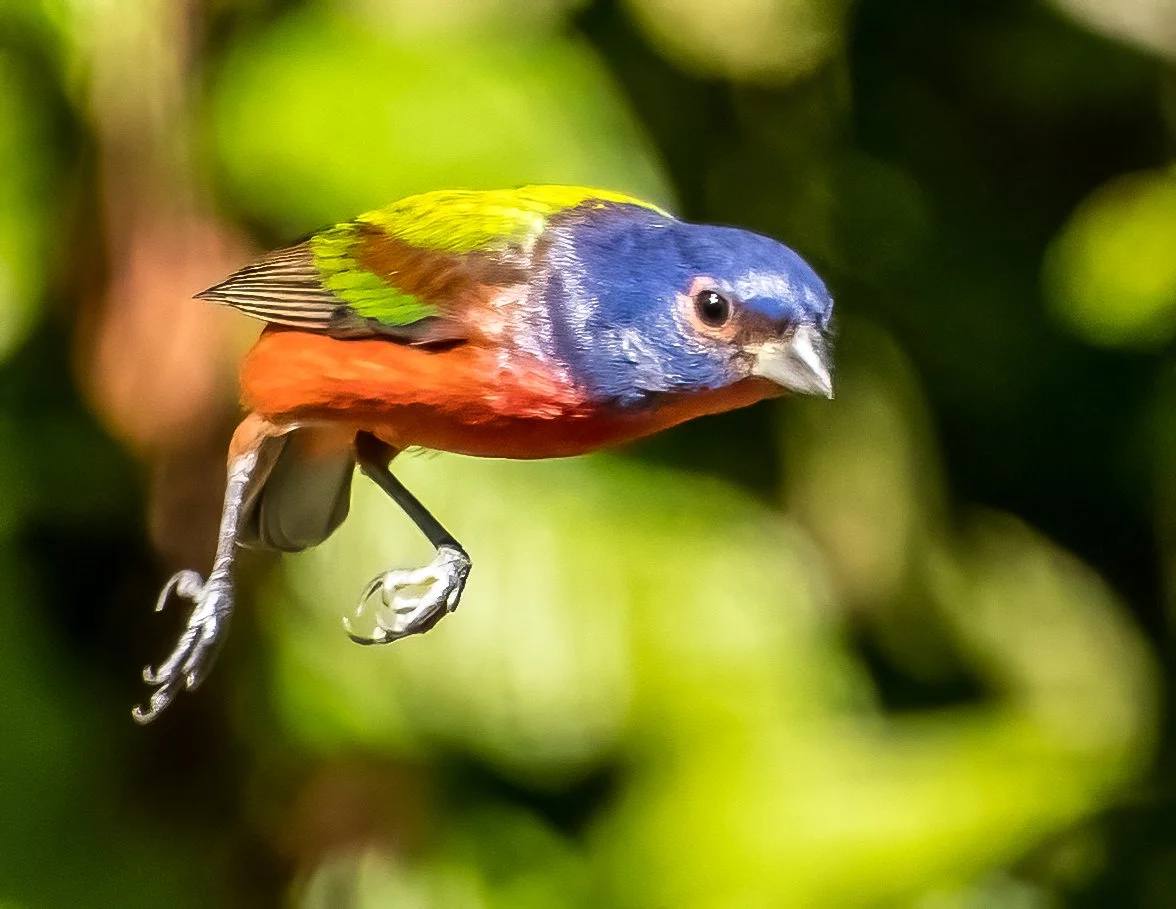
Male Painted bunting - Merritt Island National Wildlife Refuge- 2026
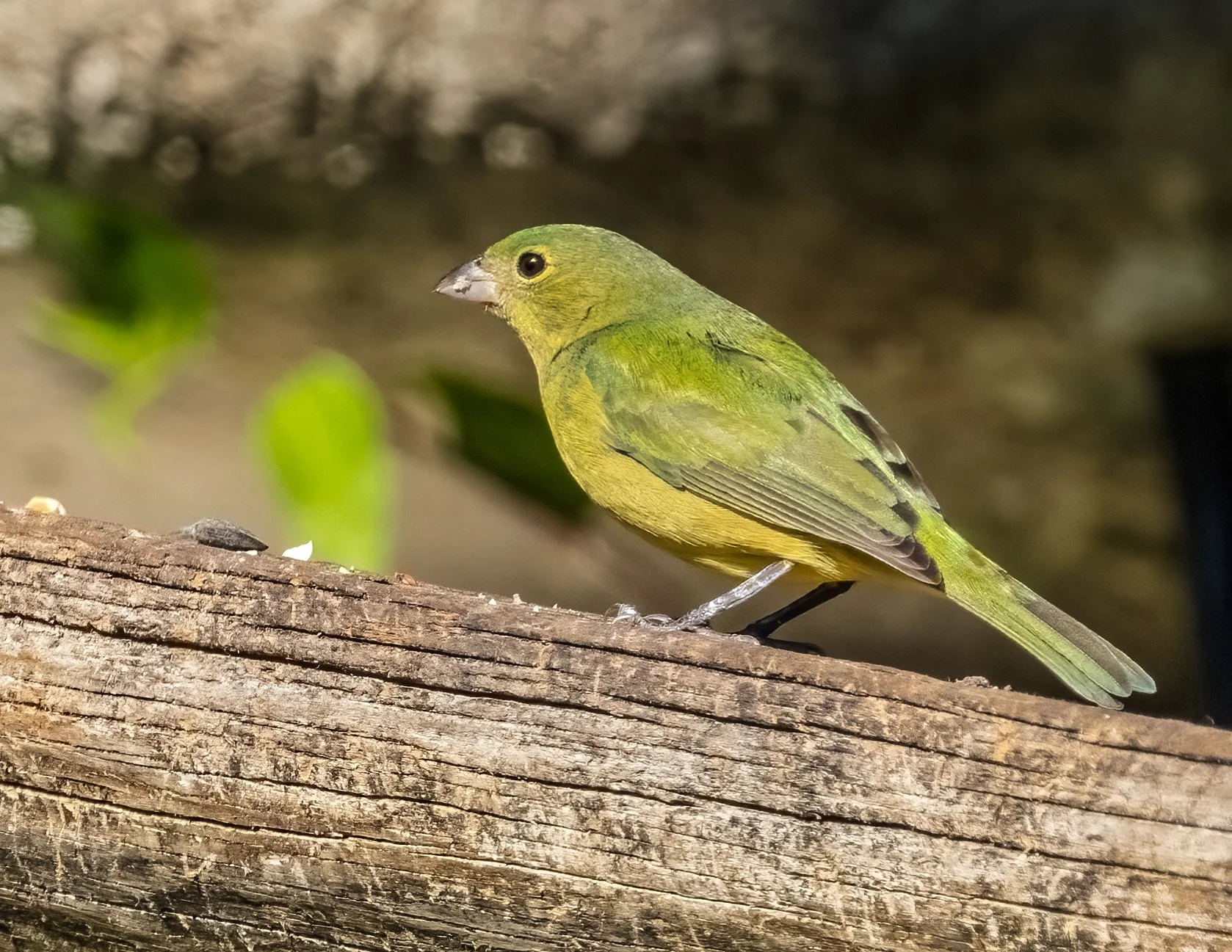
Female Painted bunting - Merritt Island NWR
In many species, the extent of this dimorphism is affected by seasonal changes. When finding a mate is not an imperative, it would be to the bird’s disadvantage to be brightly colored and conspicuous to predators. Take the images of the Yellow-rumped warbler seen below for example. First, an image of the species as it is appearing now during breeding season, and an image from earlier this year when the bird was more muted and hence blended in more with its surroundings.
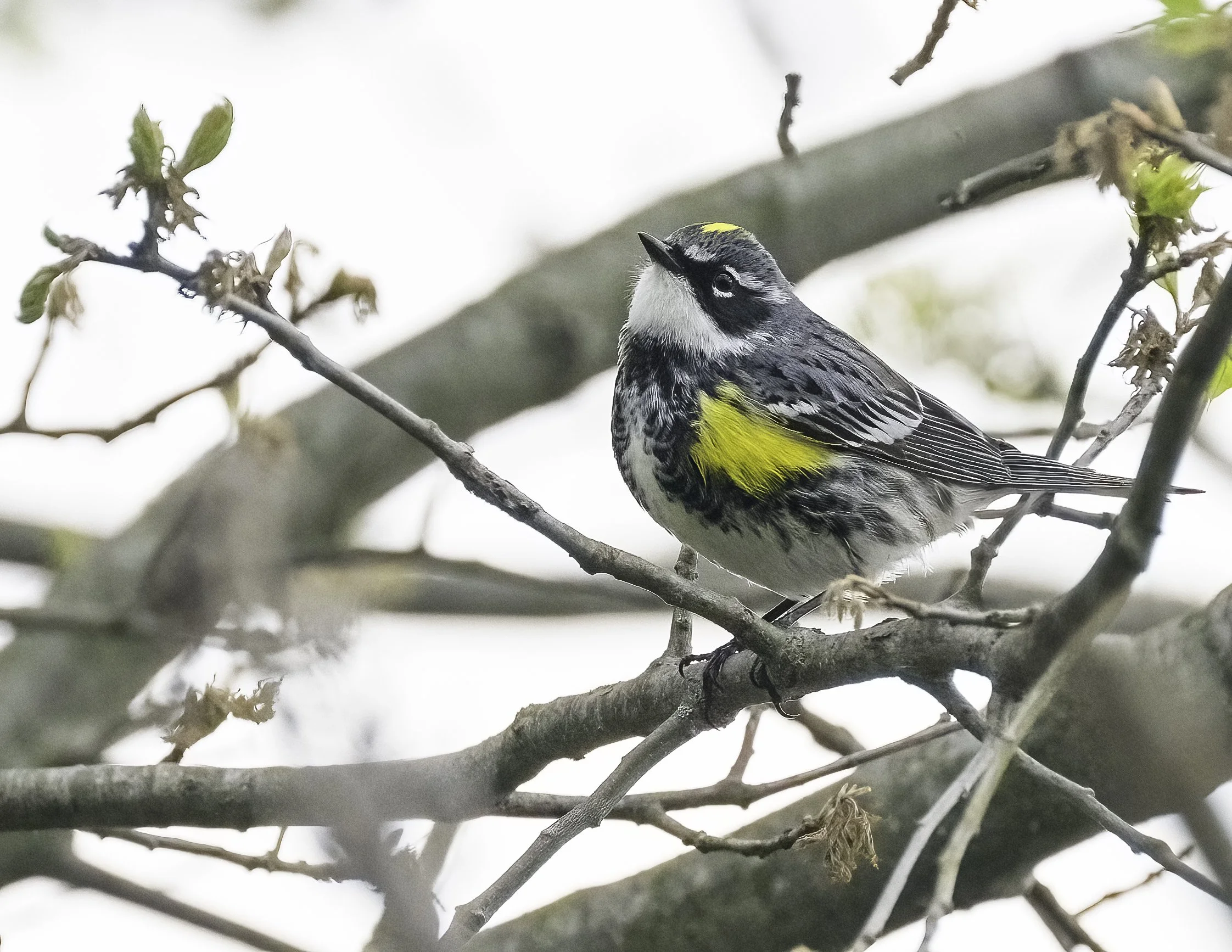
Male Yellow-rumped warbler - 6 ½ Station Road - 5/8/26
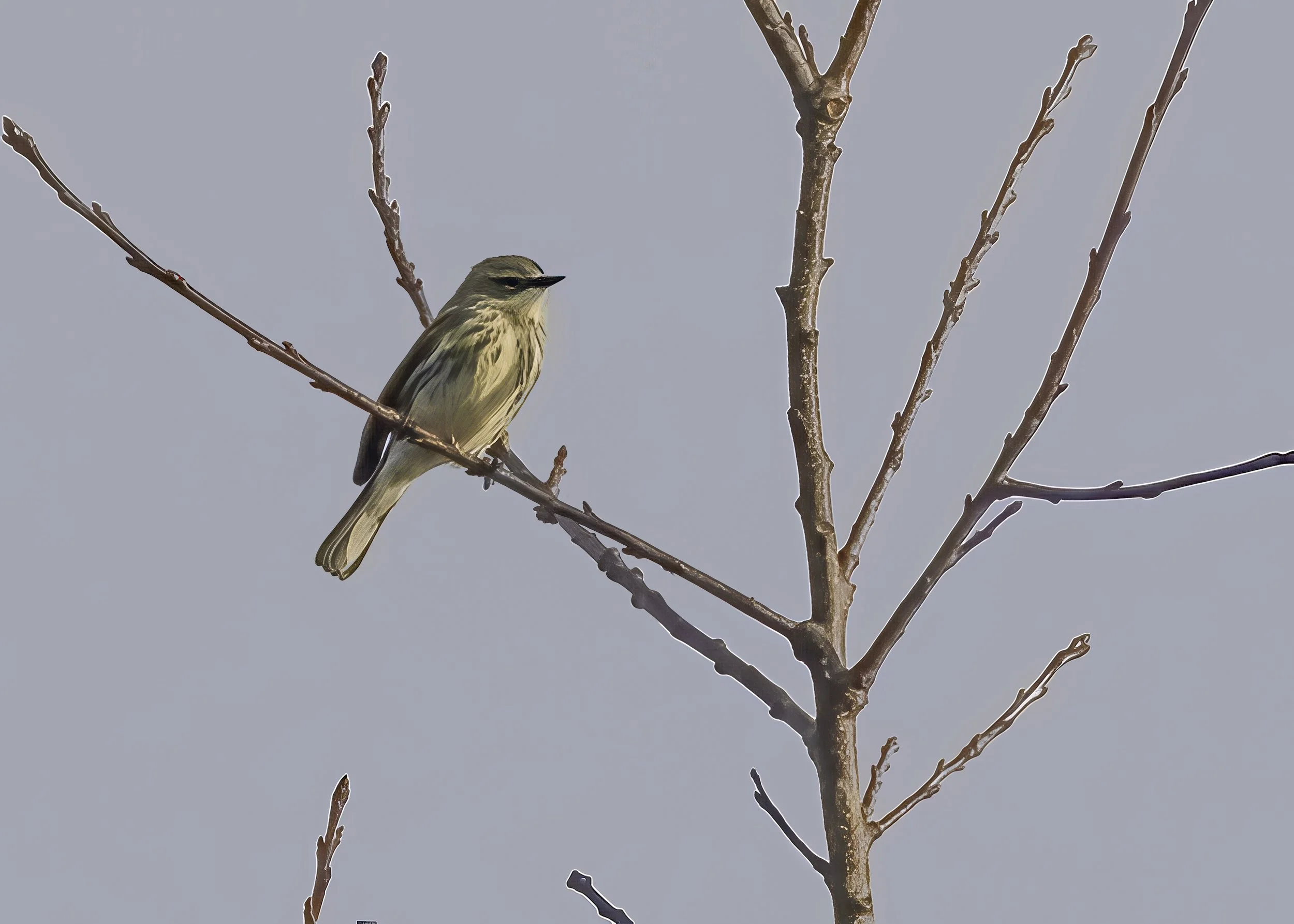
Male Yellow-rumped warbler - Eastern Shore of Virginia NWR - 1/9/26
Generally speaking, larger birds display less dimorphism in regards to plumage brilliance and coloration. This is probably due to the fact that a larger bird is less likely to be the target of another predator due to its imposing size. Take the image of a pair of American bald eagles seen below, for example. Which is the male and which is the female? Or are they both the same sex? If the birds were side by side, the larger would be the female, but the difference is small enough that it is very difficult to discern even when close up.
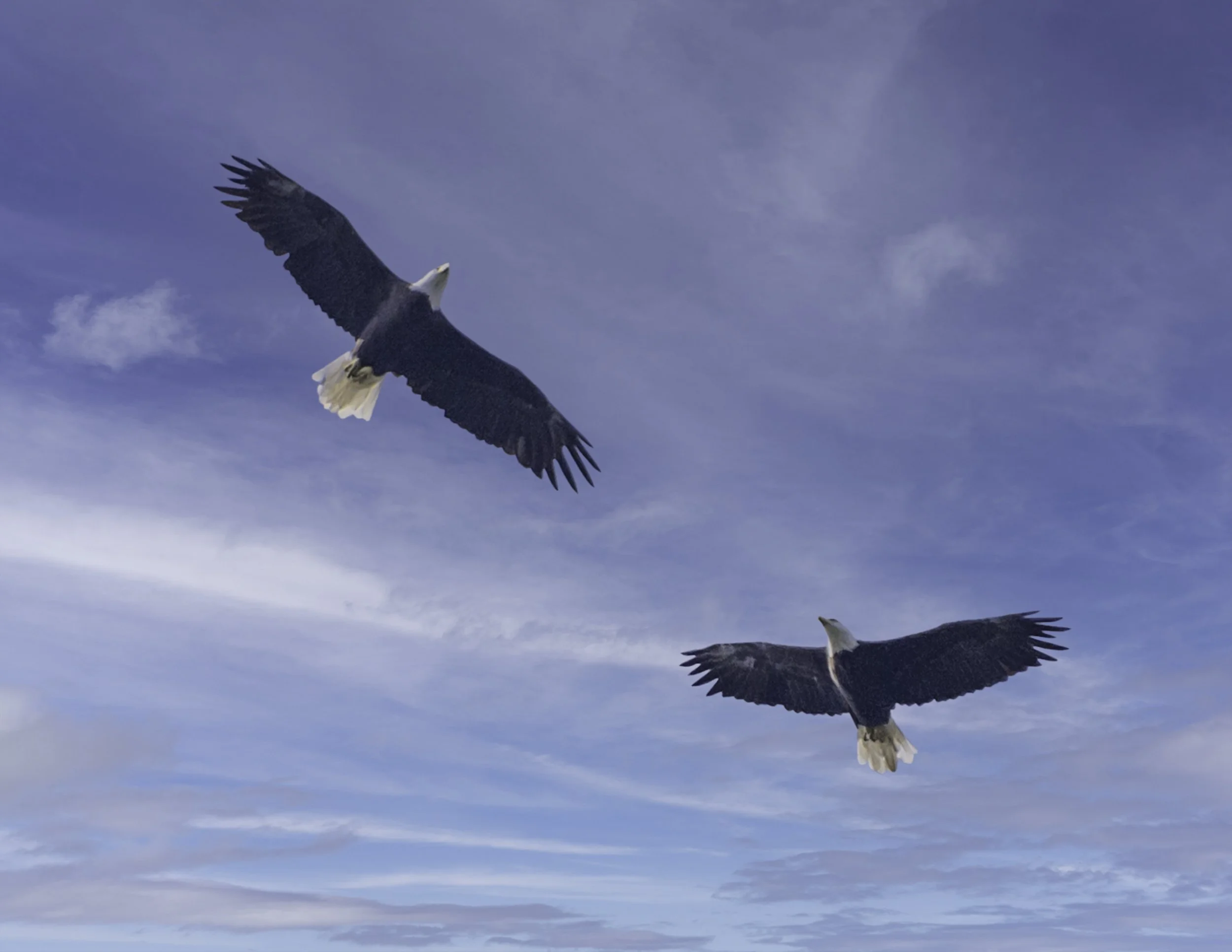
Bald eagles over Bear Mountain - 9/19/24
In the image above, we see two Bald eagles side by side. If they are in fact the same distance away from me, the left individual is slightly larger and would be the female. Telephoto lenses compress distance, however, so it may well be that the bird on the right is in fact further away and would appear smaller. You can quickly see how difficult it is to tell the sex of some of these large raptors.
I’ll end today with one more pair of images showing a rather obvious example of dimorphism in a common bird we all see during all months of the year here in New York. These are images of the Northern cardinal. The male is in its full breeding plumage and is the only bright red bird with a crest in North America. Unlike the smaller songbirds, the breeding plumage is not much different than the colors of this species in winter.
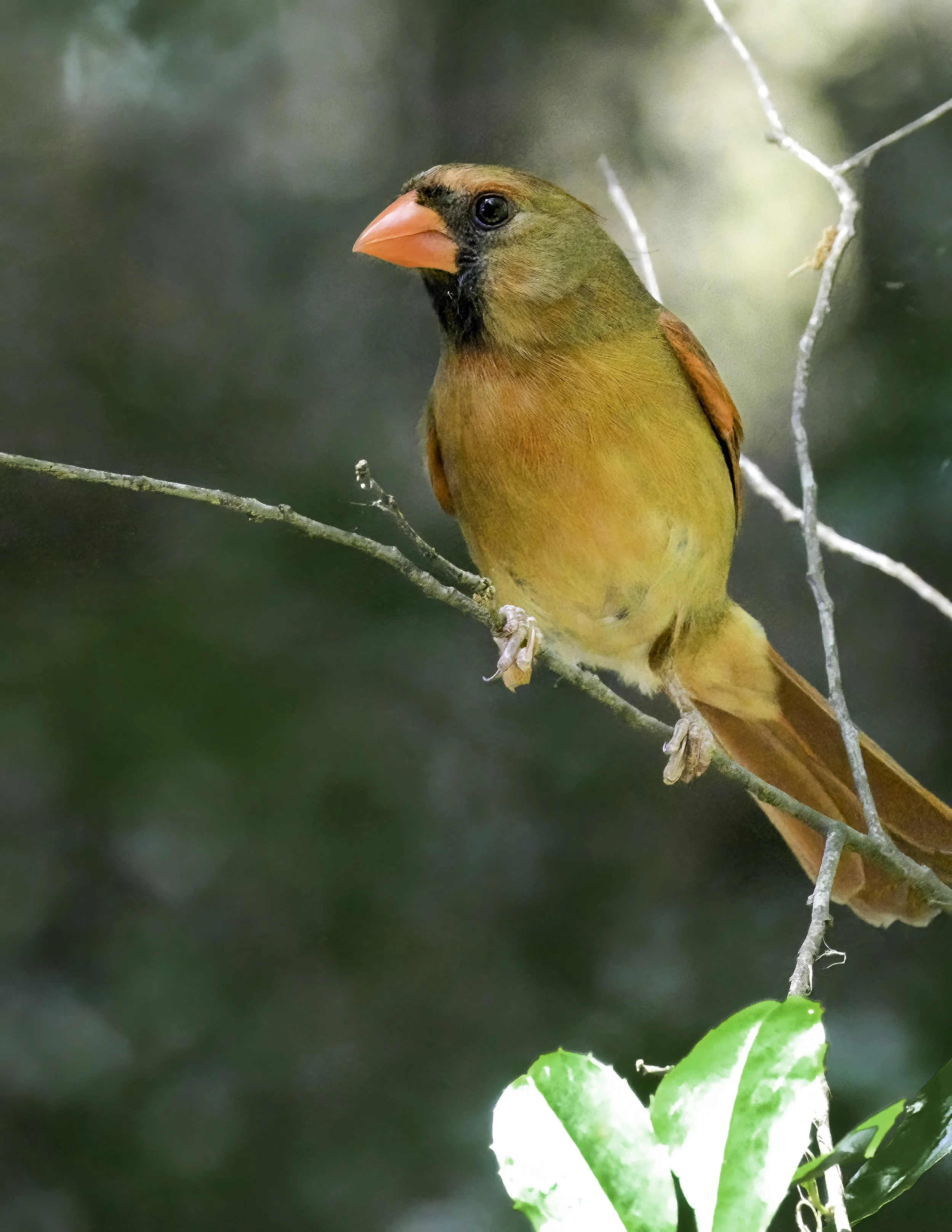
Northern cardinal - adult female - Buschman Park Florida - 4/13/25
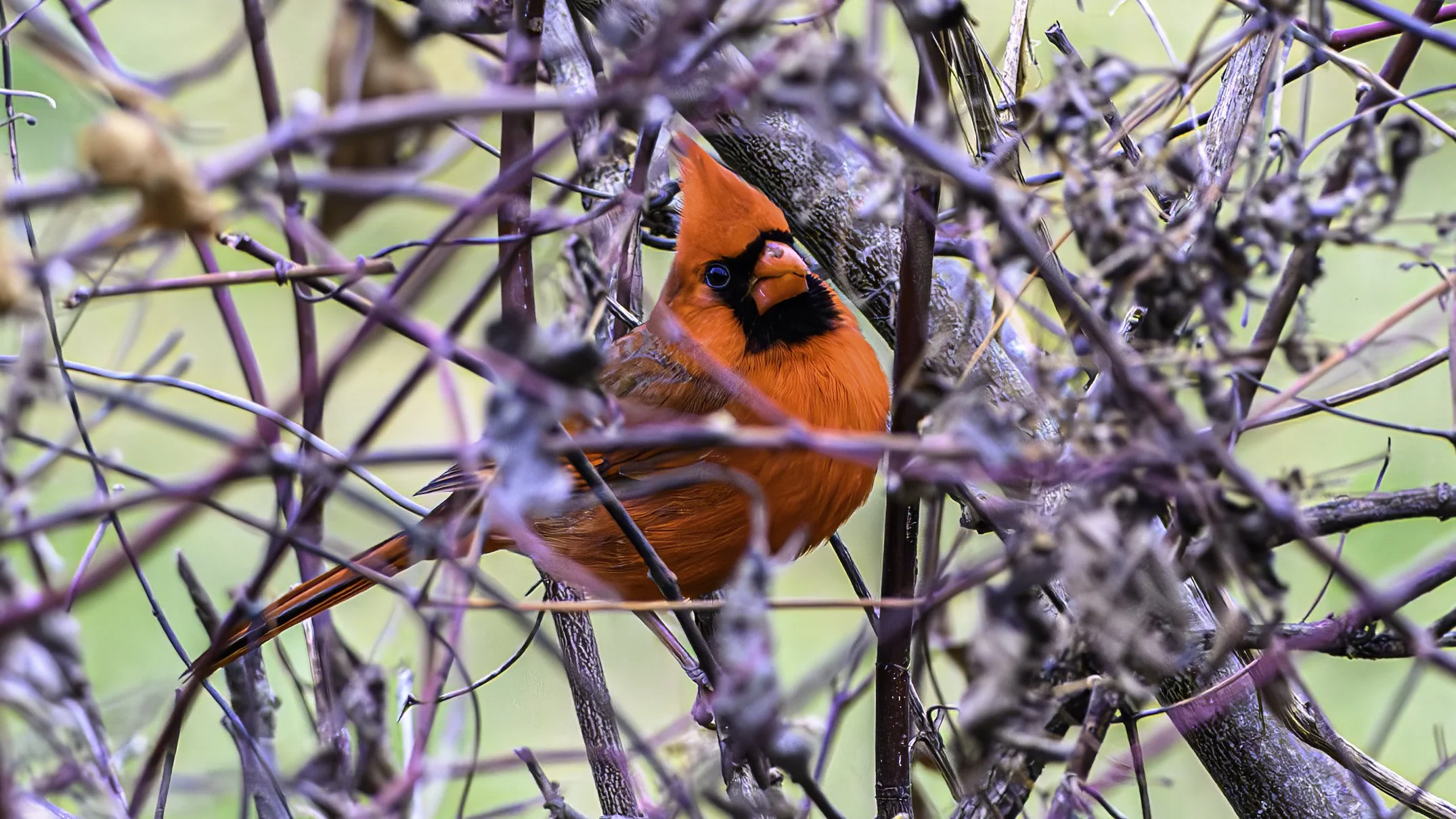
Northern cardinal - Lynch Ave - 12/23/24
As we are now in the middle of breeding season and migration for many species in New York, we can expect to see these birds in their finest accoutrements. May is without peer regarding bird watching in this part of the country, so make sure you’re attuned to the natural world during these most bountiful months.