Sugar Mill Gardens
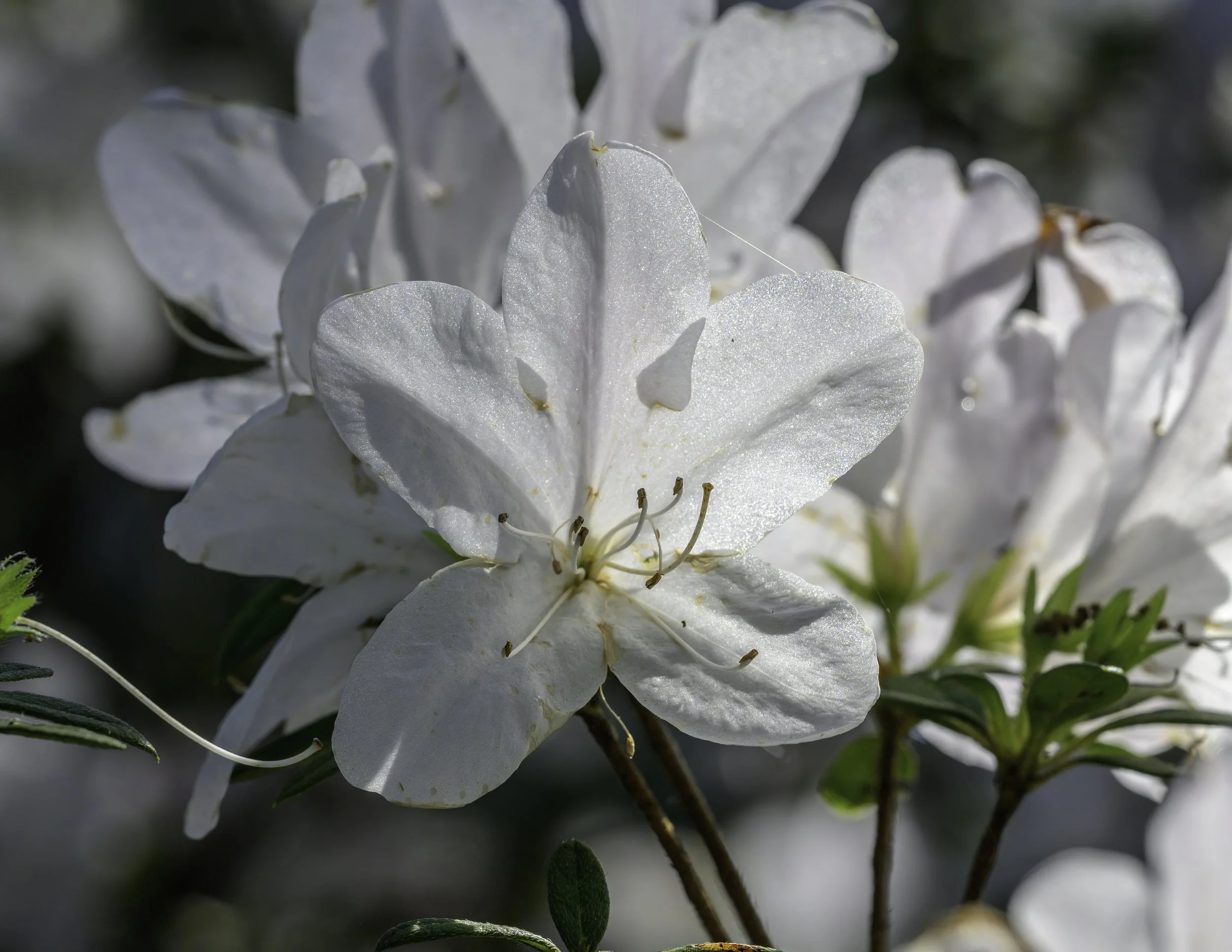
Azalea - Sugar Mill Gardens -3/24/26
More than 30 Audubon members gathered at Sugar Mill Gardens in Port Orange for an early spring venture in pursuit of early migrating warblers and other birds of the woodlands.
Sugar Mill Gardens is a tranquil 12-acre botanical garden set within a preserved slice of Florida’s native landscape, featuring meandering nature trails and several small ponds that attract songbirds. A diverse mix of native and ornamental plants are found here, including live oaks draped in Spanish moss, blooming azaleas, and seasonal wildflowers. The history of this park is fascinating and interpretive signage and benches provide restful spots for photography, birdwatching, and quiet reflection in a peaceful, well-maintained setting.
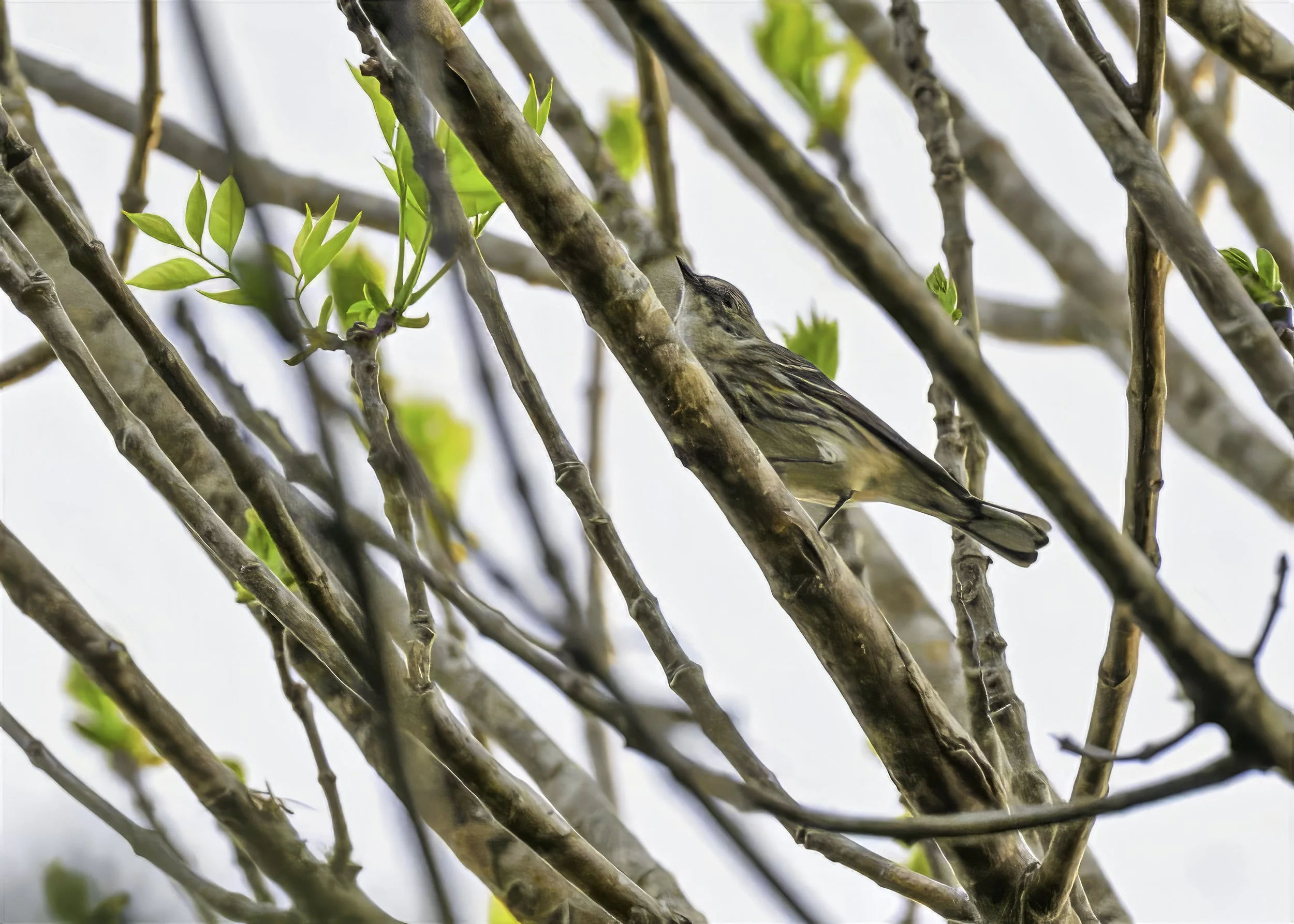
Cape May warbler - Sugar Mill Gardens - 3/24/26
While still in the parking lot, we were observing warblers flitting among the treetops with just enough foliage to provide cover….good for the birds, but making sightings and positive Ids a bit problematic for the birders. One of our first birds in question was the warbler pictured above…Yellow-rump or Cape May? While we generally settled upon Cape May, the image above does show a bit of yellow on the shoulders which is more consistent with the Yellow-rump. Ah…decisions, decisions, decisions.
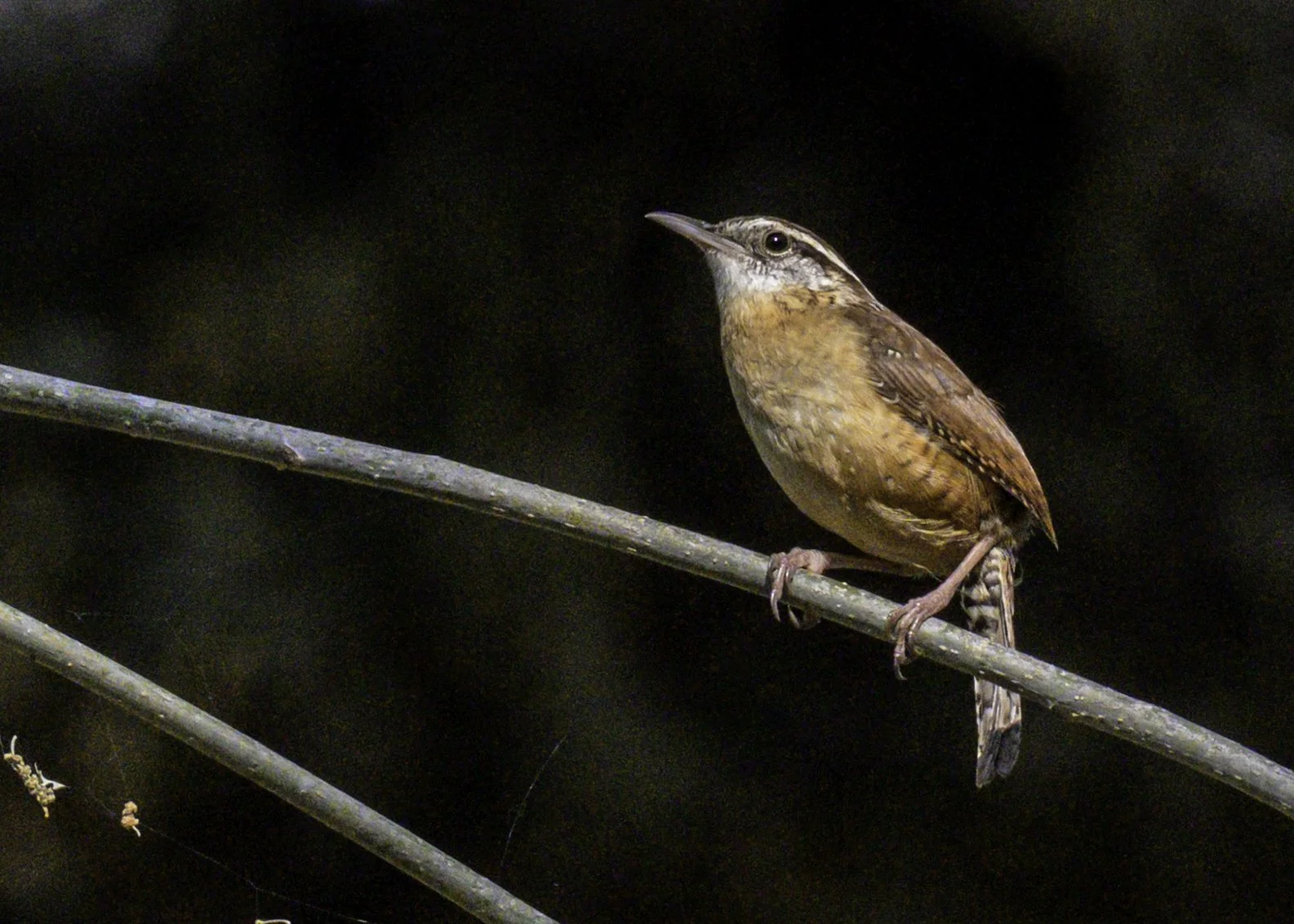
Carolina wren - Sugar Mill Gardens - 3/24/26
The dense foliage in the canopy where most of these warblers remain presents the photographer with a number of challenges. Obviously, being hidden in the first place is problematic, and the camera wants to focus on the foliage in front of the birds. So it is necessary to go to manual focus in most cases. The shaded subject also mandates the increase in exposure compensation to avoid underexposed images. And finally, many of these birds are so high in the canopy that even with a decent telephoto lens, getting clear crisp images is a challenge. Not exactly point-and-shoot, but we do the best we can. And so, when a subject like the Carolina wren presents itself out in the open at close range, you are sure to hear a barrage of shutter clicks as we seize the moment.
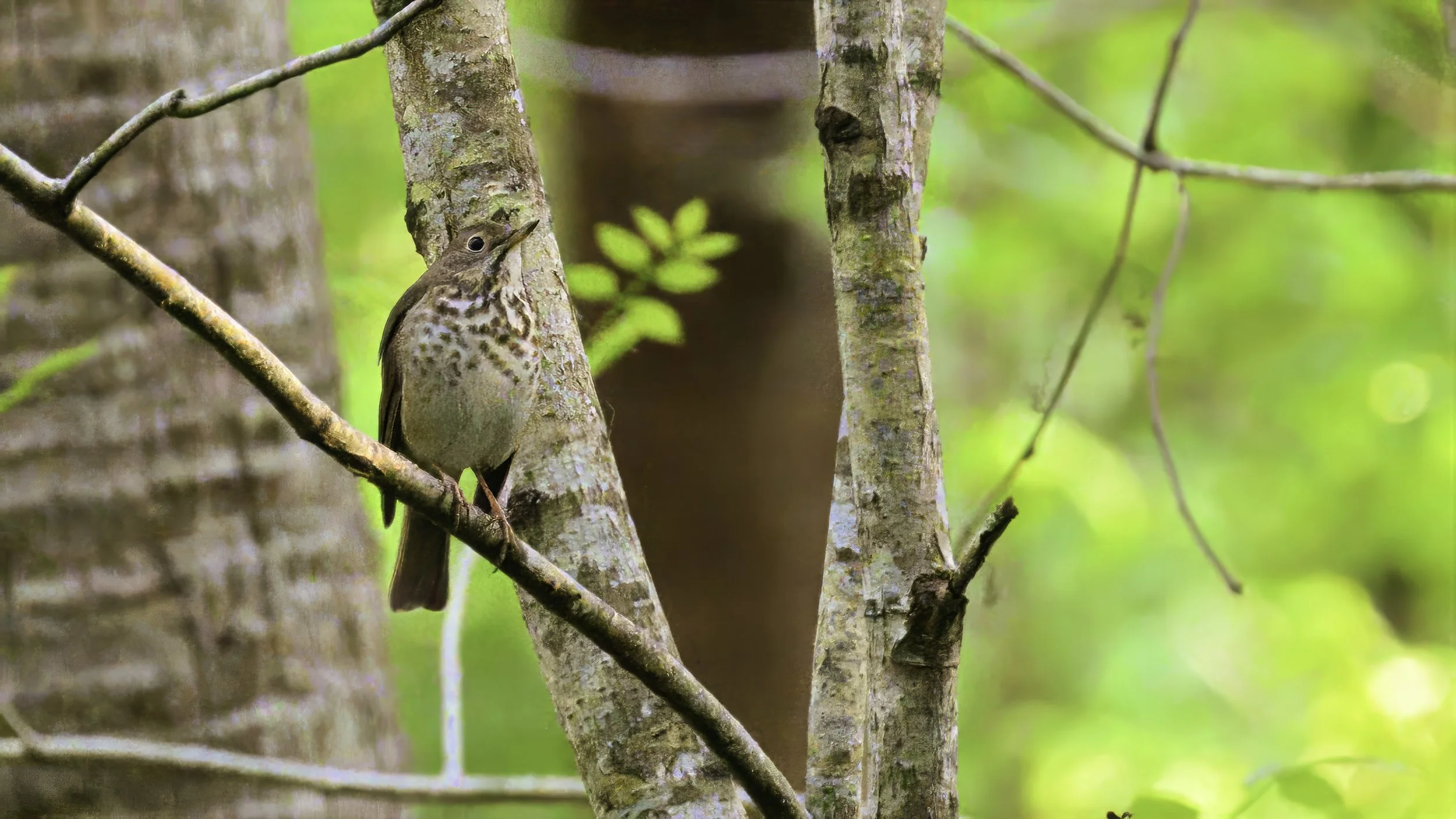
Hermit thrush - Sugar Mill Gardens - 3/24/26
Another fine bird spotted by one of our eagle-eyed birders was this Hermit thrush. This thrush is an unexpected but regular winter visitor and occasional year-round resident in Florida’s woodlands, pine flatwoods, and scrub edges. More secretive than many thrushes, it favors dense understory and leaf litter for foraging, feeding on insects, berries, and fallen fruit. Migrant individuals arrive in autumn and depart in spring, while scattered resident birds may persist in suitable coastal and inland habitats.
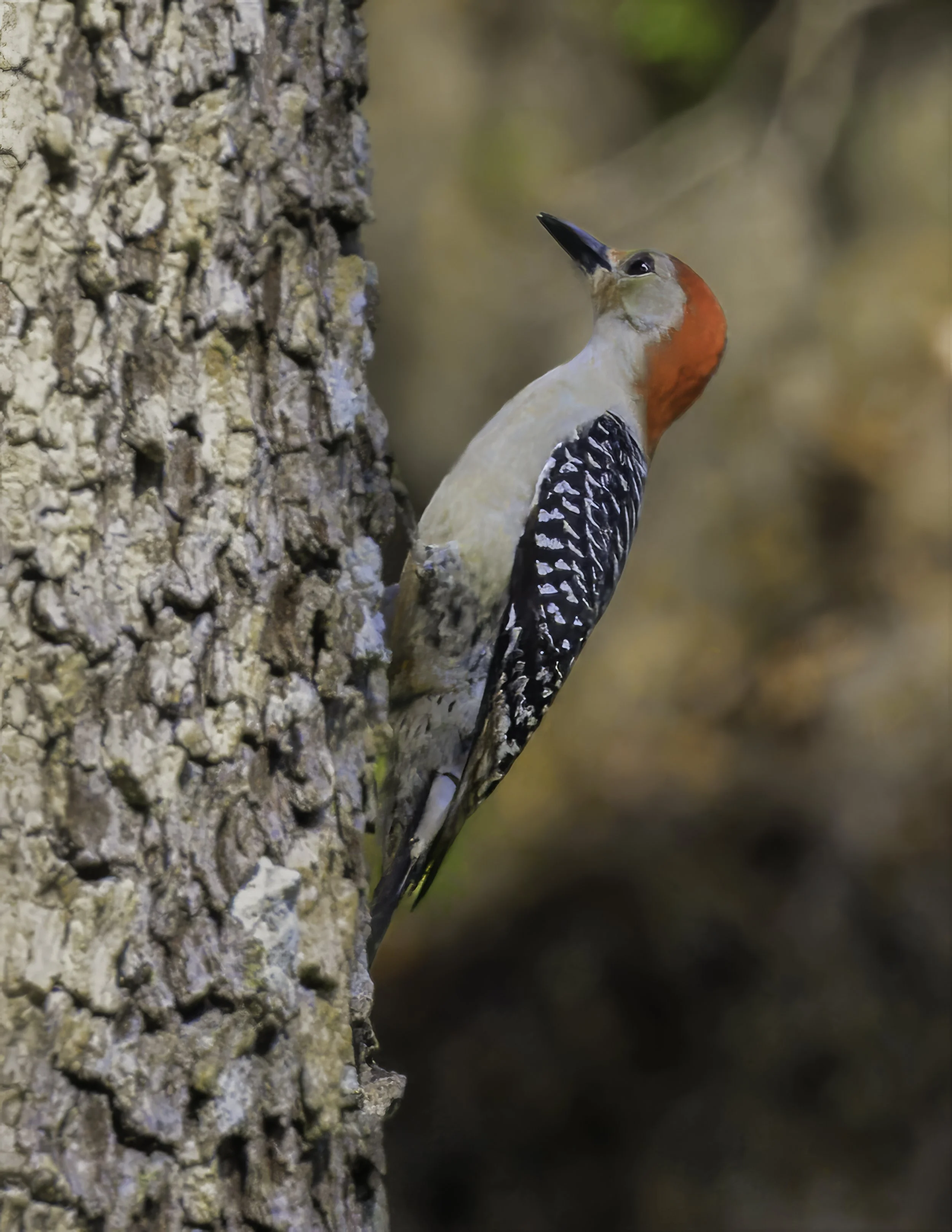
Red-bellied woodpecker - Sugar Mill Gardens - 3/24/26
A number of woodpeckers were on site this morning including Pileated, Downey, and this Red-bellied individual. The Red-bellied woodpecker was again very obliging and remained on the side of this tree long enough to provide most of the 30 birders with nice views and excellent photo opportunities.
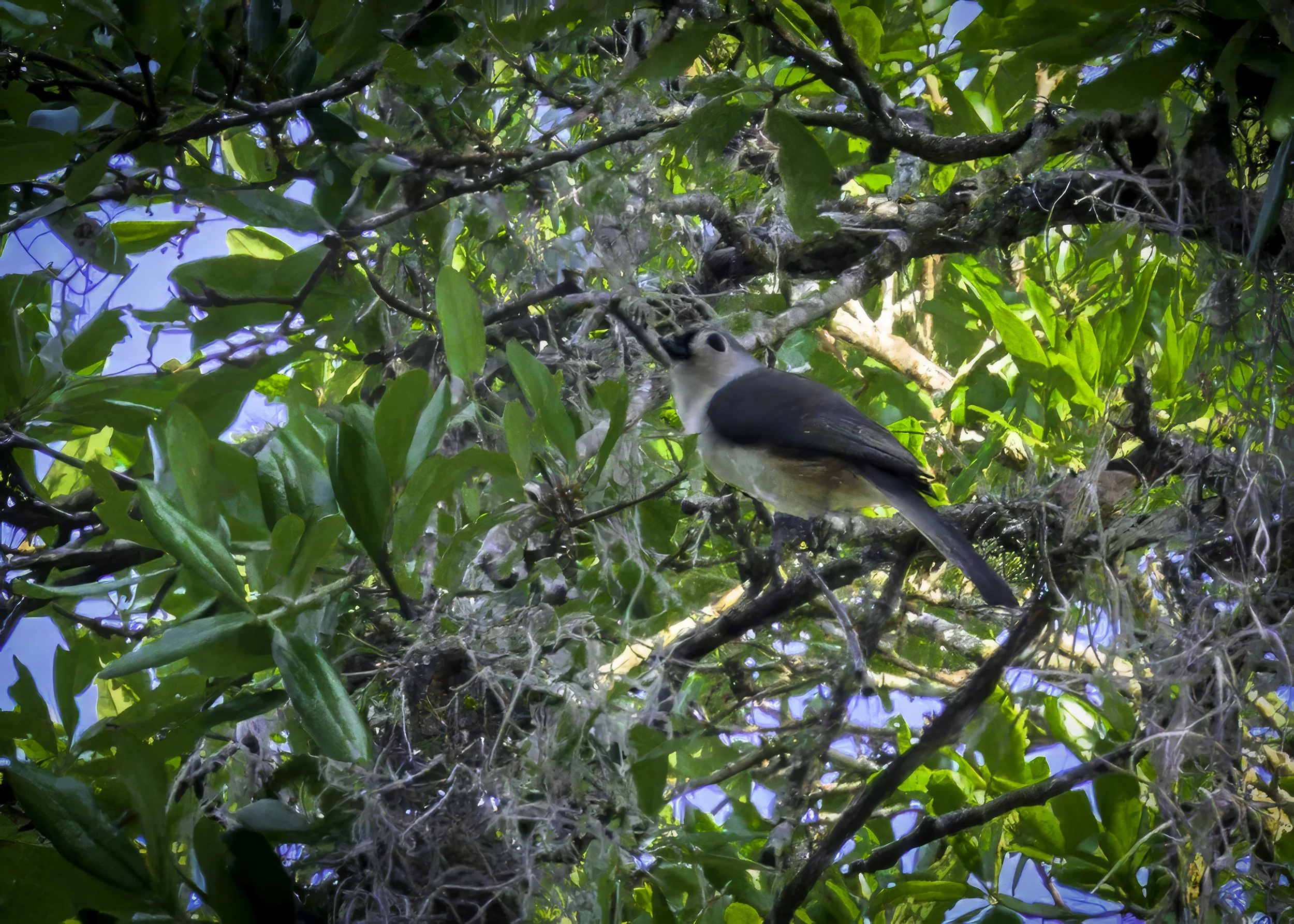
Tufted titmouse - Sugar Mill Gardens - 3/24/26
Another of the species certainly heard but rarely seen throughout the morning was the Tufted titmouse. Like the Carolina wren, this little guy can belt out its song at mega-deciblels, impressive for its relatively small size.
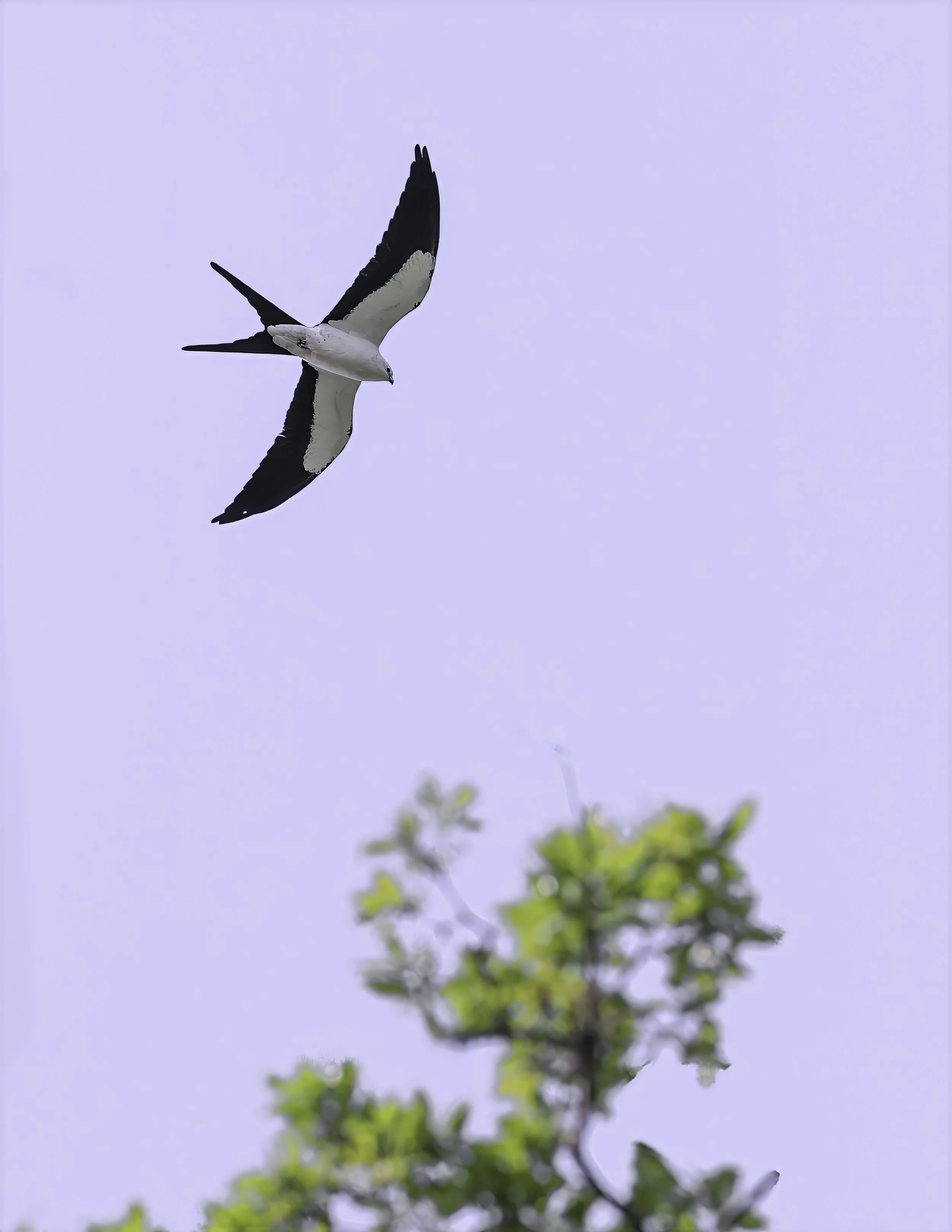
Swallow-tailed kite - Sugar i’ll Gardens - 3/24/26
At day’s end, after recording some 30 + species, we were bid a fond farewell with a final sighting of one of Florida’s truly iconic signs of spring…. the Swallow-tailed kite. The swallow-tailed kite is a striking, long-winged raptor known for its graceful, acrobatic flight and deeply forked tail. Adults have black and white plumage that contrasts sharply against the sky as they quarter wetlands, pine savannas, and coastal hammocks hunting for insects, frogs, and small reptiles. Florida supports one of the largest breeding populations in the eastern United States, but habitat loss, nest disturbance, and environmental contaminants remain ongoing threats. Conservation efforts focused on protecting nesting habitat, maintaining hydrology of wetland systems, and minimizing human disturbance during the breeding season are key to sustaining their populations and preserving the spectacular sight of their soaring displays as captured in this image.
Sugar Mill Gardens really comes alive in late March and early April and deserves to be visited often in the near future.