Heading north
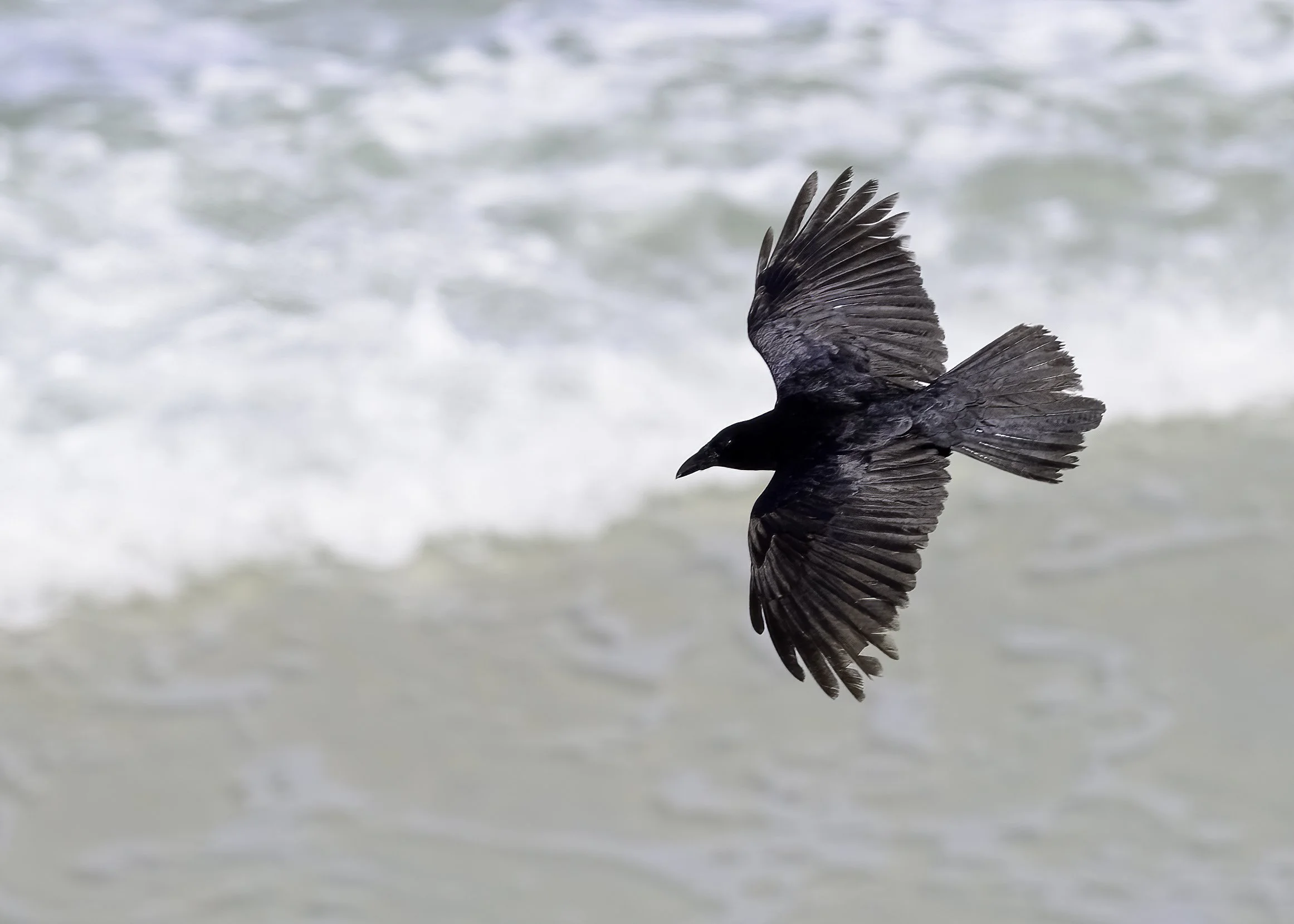
Fish crow - New Smyrna Beach - 4/23/26
4/23 - We packed up and were ready to head out the next morning on the eve of April 23. I realized that I had not taken a shot of the fish crows that are omnipresent around the condo, and as I saw one heading north (at least for a short distance), I figured I’d better grab the camera and document the presence of these birds we’ve shared this space with for the past 4 months. I realize he is not heading north as their migration pattern is limited to moving further inland during warmer seasons and back out to the coast where we’ve been sharing space during the colder winter months. For us, it’s off to South Carolina tomorrow.
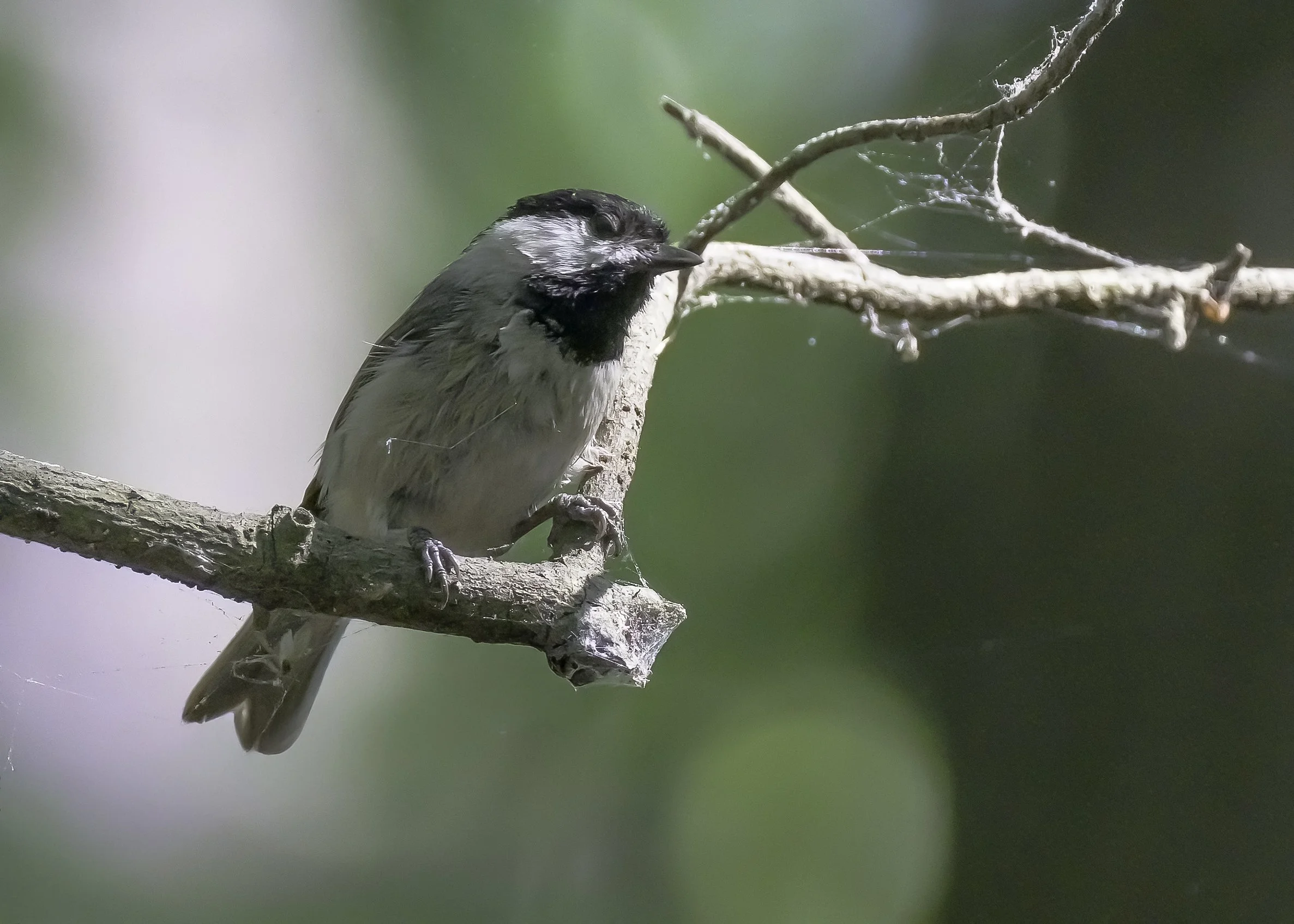
Carolina chickadee - Santee NWR Visitors Center - 4/24/26
After a 5 ½ drive north, we pull into Santee, SC where we will spend the night. We make Santee a stopover as it is home to the Santee National Wildlife Refuge, one of our favorite spots to bird along I-95 on our trip home. Santee is great for finding migrating birds as well as those who call these environs home. The Carolina Chickadee is non-migratory and this individual will most likely remain here around the refuge for his entire life. While similar in appearance to our Black-capped chickadee, the song of this bird is distinctly different. Always nice to add them to our “year list” as we head north.
At the feeders, we see another species we will more than not likely see back in New York….the beautiful Painted bunting.
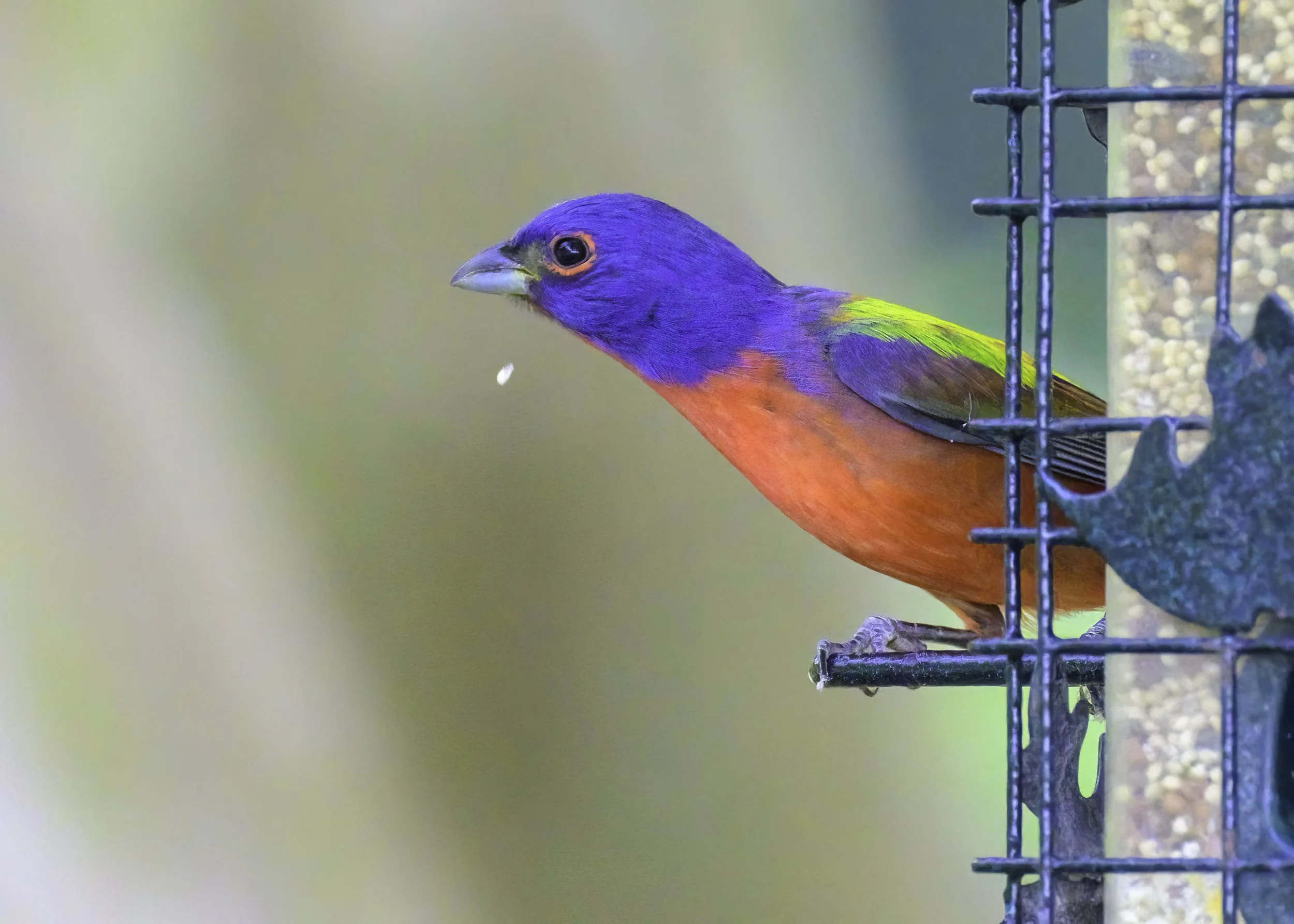
Painted bunting - Santee NWR VC - 4/24/26
These buntings are common in Florida, but one never grows tired of seeing this spectacularly plumaged bird.
The painted bunting has a two-part North American breeding range. The largest population breeds in the southeastern United States, primarily across coastal and inland habitats from central Florida and the Gulf Coast through southern Georgia, Alabama, Mississippi, and eastern Louisiana, while a smaller, more isolated western breeding population occurs in south-central Texas and adjacent northeastern Mexico. During migration they pass through the Gulf Coast and interior southeastern states, and the species winters with us mainly in coastal and inland areas of southern Florida, the Caribbean islands, and along the Atlantic and Gulf coasts. Scattered vagrants may appear outside these zones, especially during migration, but the bird’s core distribution remains tied to warm, brushy habitats in the southeast U.S., Texas, Mexico, and the northern Caribbean. Sad we have to leave these beauties behind.
Time to head into the wooded trail at the “Bluff Unit” of the refuge. My primary target bird here is the Prothonotary warbler, a gorgeous bright yellow warbler which loves the swampy areas I’llencounter along this trail. I was happy to find a surprise bird on my way into the woods, the Summer tanager.
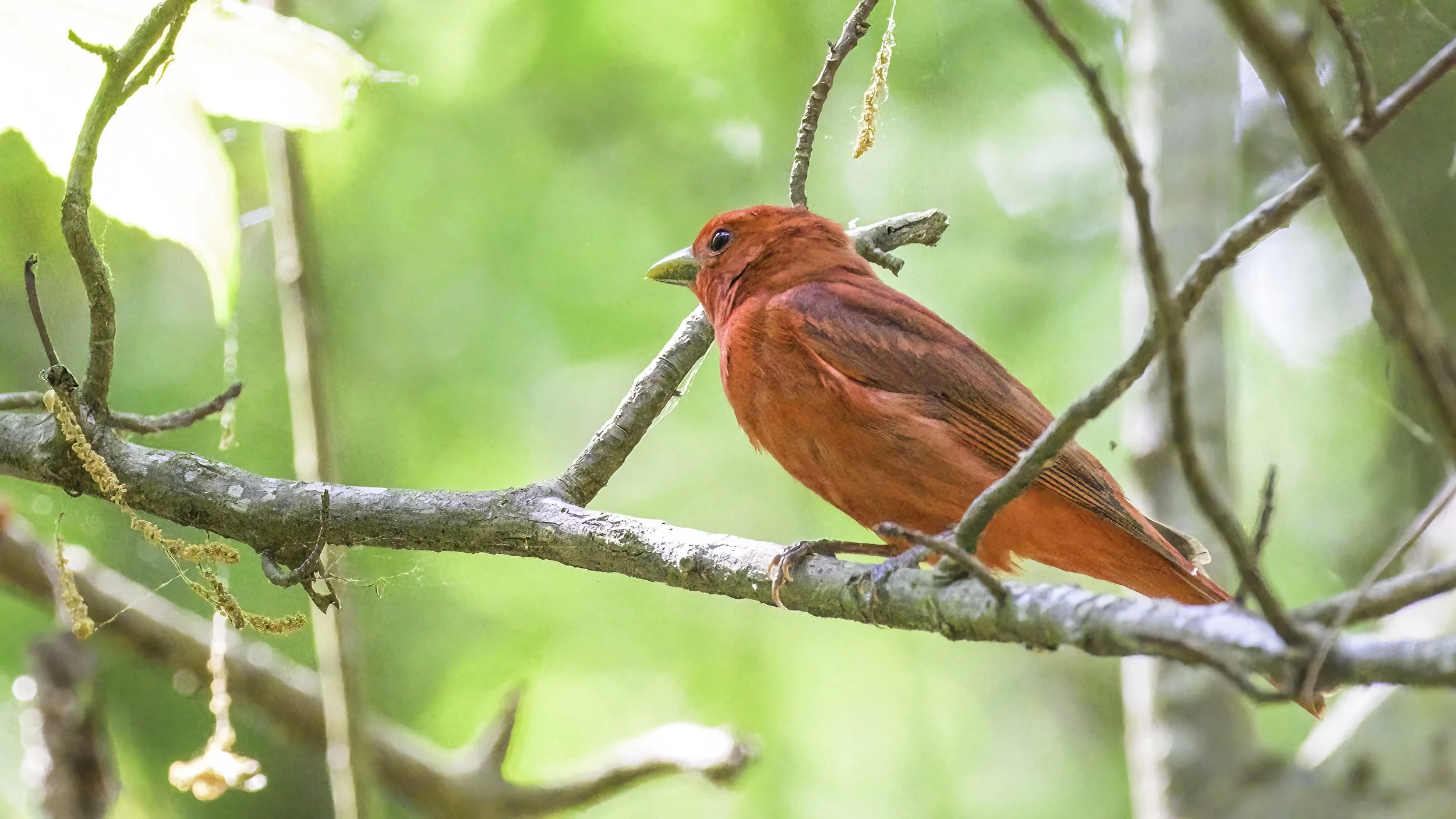
Summer tanager - Santee NWR - 4/24
I spent a bit of time photographing the tanager, but knew I had a limited amount of time to get around the 2 mile loop where I hoped to find the Prothonotary. As I approached the boardwalk which crosses the swamp, I could hear the song of my warbler. Hearing the song before I even got to the edge of the swamp confirmed my expectations that the warbler would be here where I have found him over the past number of years.
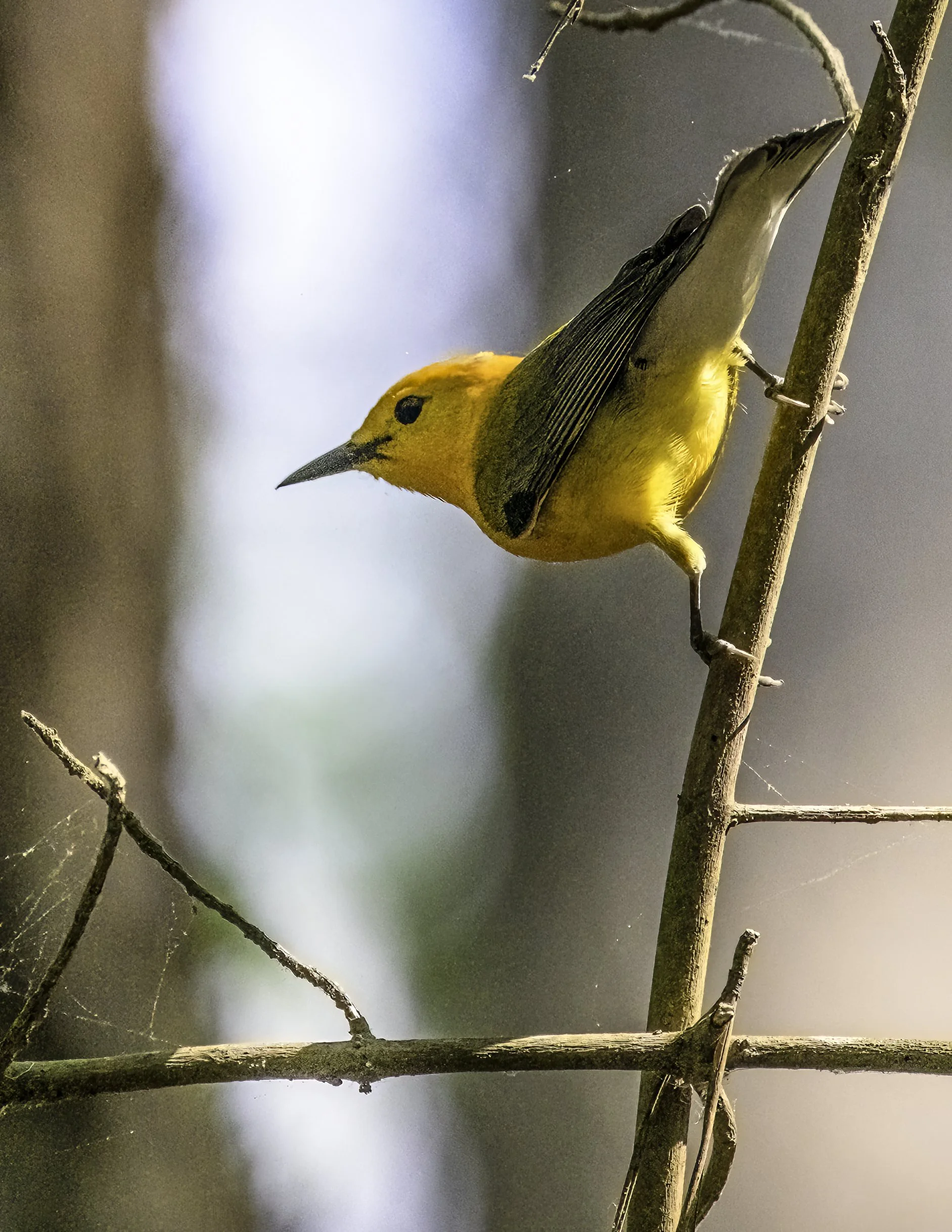
Prothonotary warbler - Santee NWR - 4/24/26
This proved to be a pretty “birdy” location. As I photographed the warbler, a second warbler…this one a Pine warbler….came in to investigate directly over my head. I abandoned my Prothonotary for a moment to grab a shot of the Pine since he obviously wanted to be noticed!
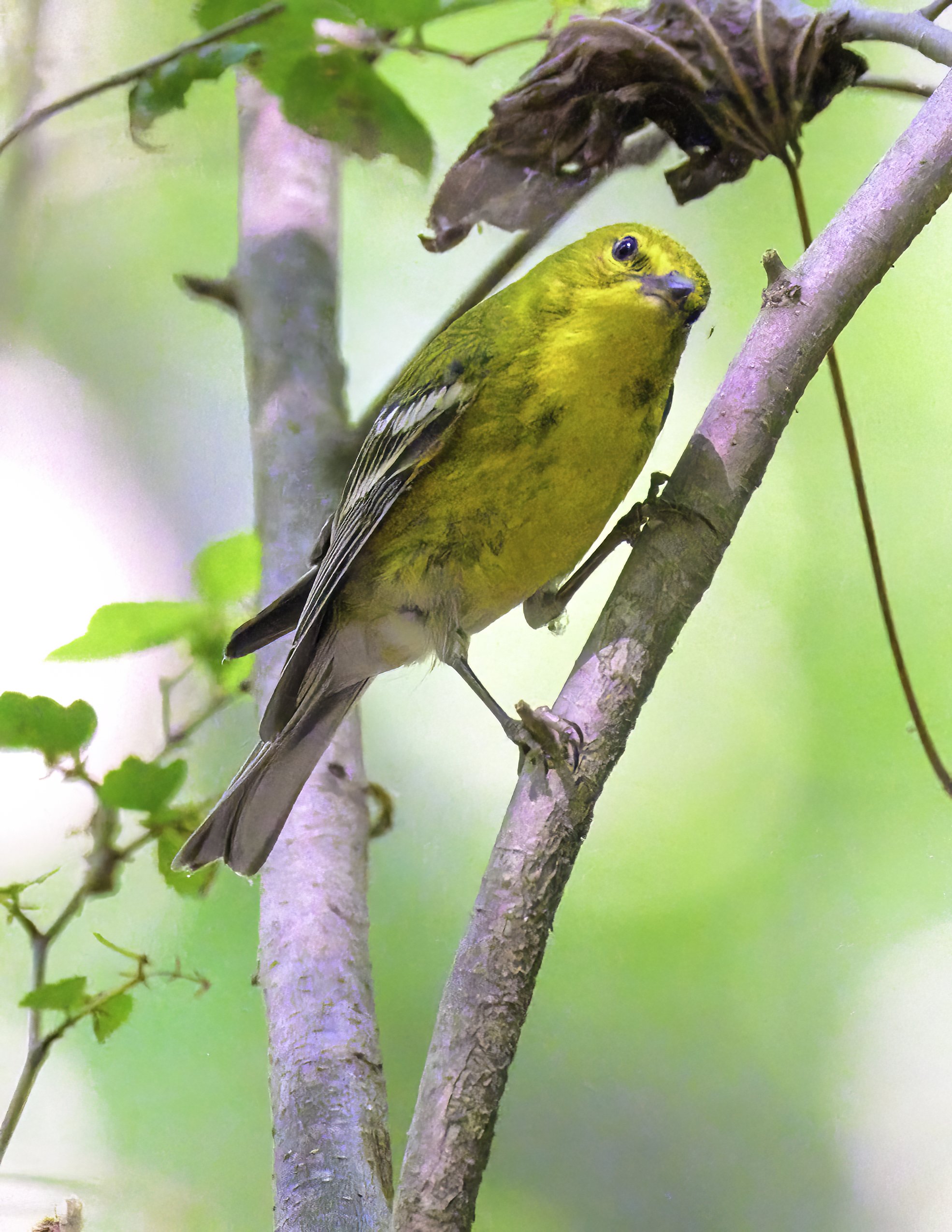
PIne warbler - Santee NWR - 4/24/26
While photographing these two birds, the songs and calls of a Great crested flycatcher , a Pileated woodpecker, a White-eyed vireo, and Carolina chickadee were all heard. Try as I might, however, I could not find so much as a fleeting glance of these birds. I’ll have to be “satisfied” with the Prothonotary and Pine images, right?
As I wandered through the forest along the remainder of the trail, I came across a non-avian subject of interest. A Green anole which had altered its color to match the surrounding vegetation was standing next to a dried leaf on the ground, and as I composed the shot, I could not help but wonder if there was more mimicry than than just alteration of the lizard’s color going on here. Note how closely the anole’s posture is similar to the shape of the dead leaf it is standing next to ….. just chance? or did the anole assume this posture to blend in a little more fully with its surroundings? Probably nothing more than coincidence , but something to think about.
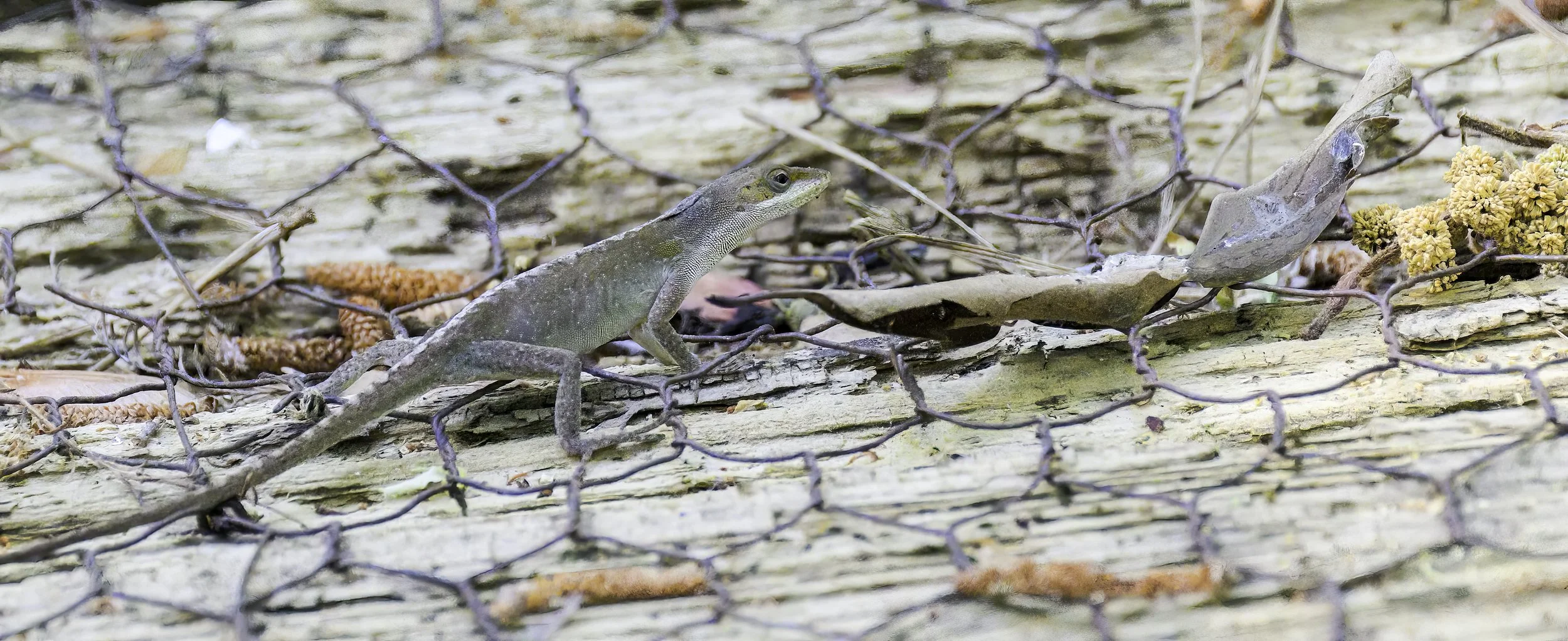
Green anole blending in with its surroundings… Santee NWR - 4/24/26
The day is wearing on and it’s time to get back to the hotel and settle in for the night. Tomorrow, it’s off to the Eastern Shore of Virginia refuges at Cape Charles. Always exciting to see what the next day will bring.