Nature pix with a purpose…
My passion for photography began over 60 years ago. I know….hard to believe that I’m that old. Even I can’t believe it and I’ve lived it. Back in the good old days, we all shot film, and many of us developed our own negatives and printed out own black and white photos. Lots of hours spent in the darkroom breathing in all those wonderful fumes from the acetic acid and squinting at developing prints under the darklight. If we messed up with the film development, there was no going back. Correcting mistakes like processing the film too long meant negatives that were either unusable or would require a great deal of effort in the printing process to reclaim something usable. When we developed out own “slides”, the temperature and time were critical. It really was as much science as art.
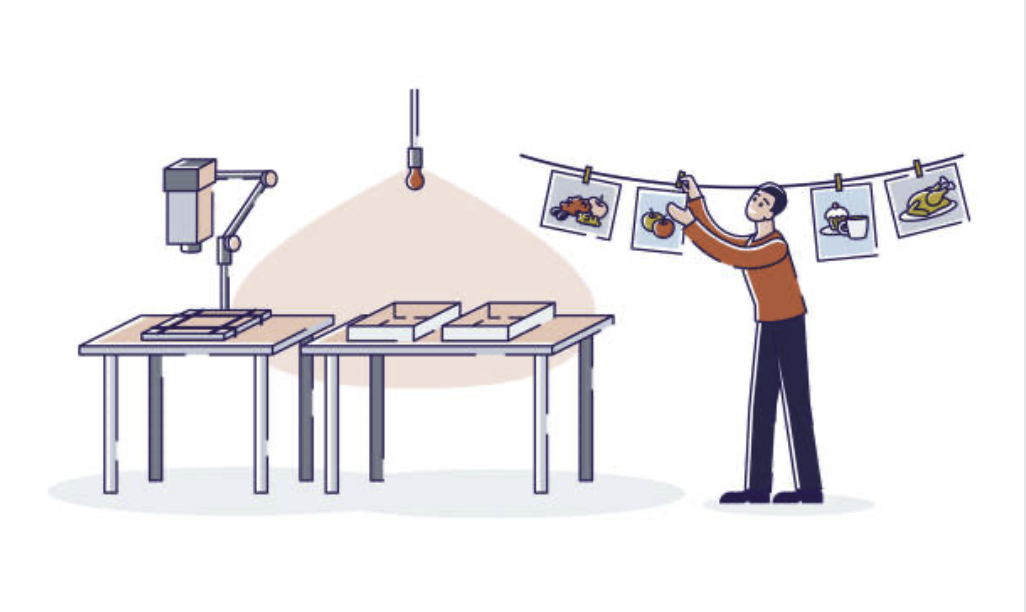
Stock image from web…
In today’s digital world, for better or worse, there is no need to “get it right” the very first time. Many mages can be edited, corrected, printed, reprinted, corrected again, and on and on until you get it right. Now the question is, “what constitutes ‘right’?” Can an image be overcorrected? How much altering of an original image is proper? The question has become even more vexing as we enter the age of AI. Each photographer has to decide for him or herself just how far we can go and still have what is a legitimate original photograph. You have to decide what ethics you will follow and what will guide you in the continuum from capturing the image through processing it digitally to create a work that is truly yours.
My own guideline is that I feel like I must end up with a product which is a true representation of what it is that I saw when I took that photo. Post processing ona computer today has so many more options than in those days of yore when we were confined to manipulating a photo by “dodging, burning, and cropping”. My typical workflow today using software packages such as Lightroom, Luminar Neo, and Photoshop involves a myriad of options. Cropping, Noise reduction, altering White Balance, adjusting exposure and contrast, sharpness, color grading, and more. So, how much is too much? In my work, it all goes back to reflecting what I saw as closely as possible and using only my own images. Using Photoshop, I have in the past used a feature called “Sky Replacement”. When photographing a bird in flight against a bright blue sky, you often have to overexpose the image to get your subject, the bird, properly exposed. Sadly, this often causes the sky to be “blown out” or overexposed to the point where it is just a blur of white…no blue sky, no clouds. “Sky Replacement” does what the names suggests. It replaces that blown out sky in your photograph with a stock image of a similar but properly exposed sky. Is this OK? Trying to be more of a purist, I would say no. There are better ways to keep it your own work. I will often begin the session by photographing different angles of the sky and its clouds. Later, I can replace blown out skies in my birds-in-flight photos with my own sky backgrounds which were taken the same day. I many instances, it also possible to select just the sky in you photograph when you are “post processing” in Lightroom for example and adjust that part of your image to give you a more authentic and properly exposed image all of your own creation.
Next, I have to decide what the photo is to be used for. Do I want the image to be as photographically “perfect” as possible….great exposure, great color, great sharpness etc. Or is this image more for documenting what I saw? An image I took today is an example of what I’m talking about here.
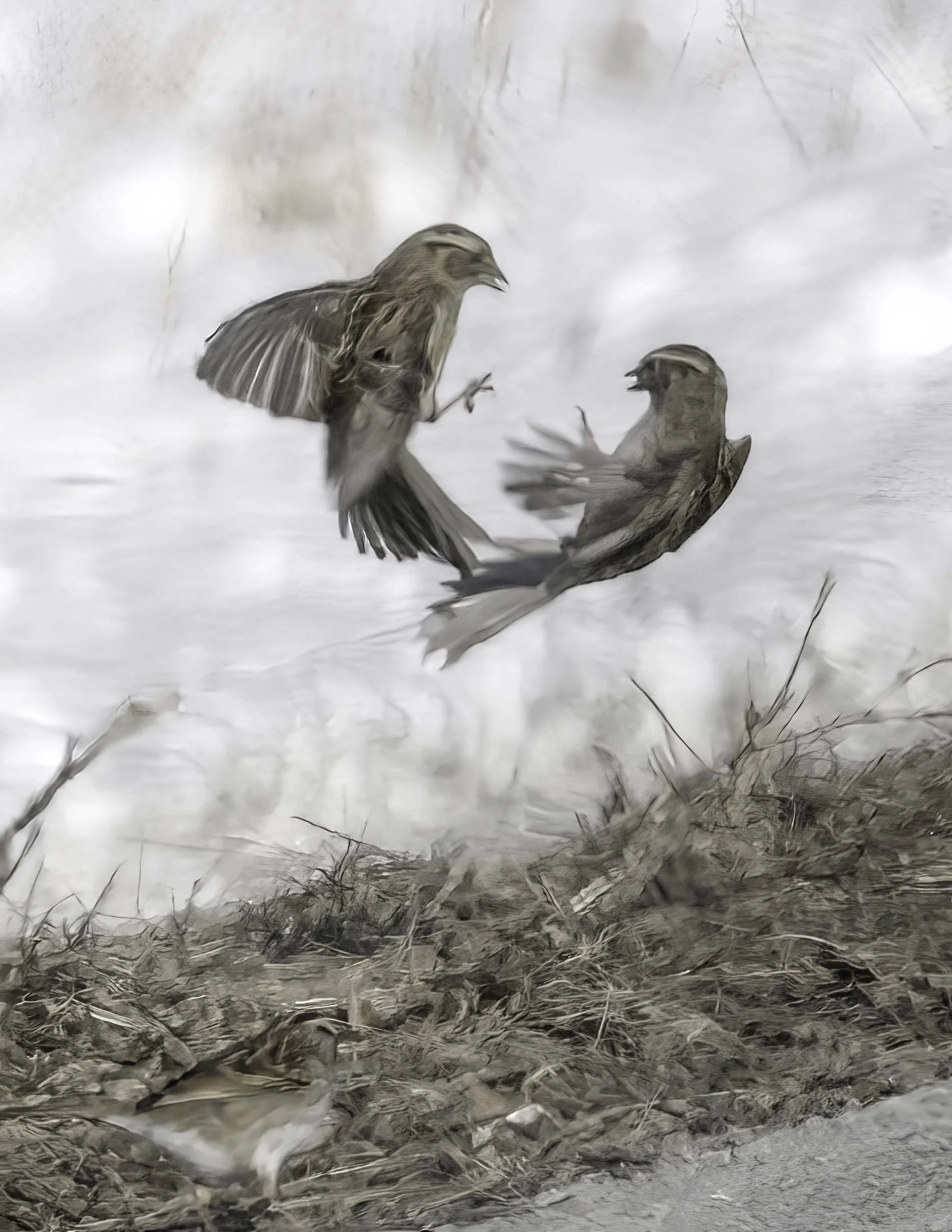
Sparrow spat - Onion Avenue - 12/16/25
When I first looked at the image above “out of camera”, I almost deleted it because it was exceptionally blurry. I had shot it through the front window of the car and was rewarded with a distorted, grainy, blurry image. I loved the interplay between the two sparrows, however, and was determined to see if I could “save” it. In the end, I used Lightroom, Luminar Neo, and Photoshop in little increments to finally get the image above. Now is this suitable for enlarging and framing? Far from it. But it does tall a story. I was photographing a flock of sparrows all feeding along a roadside in Orange County NY. The vegetation in which they were grabbing seeds and perhaps an insect or two stretched as far as the eye could see. And yet these two had to have whatever it was that occupied this fraction of an inch plot of turf. So for documenting this little moment of avian interplay, I can live with the less than stellar quality of the photograph.
A second shot from today’s outing was that of a Common Merganser about 200 yards out in the Hudson. I was using my compact Nikon Zfc with a 50 - 250 mm lens because it is lightweight and easy to carry. I had not planned on photographing a bird at such great distance. The other factor going against me was that this was later in the afternoon and in spite of the fact that it was a chilly day, heat shimmer always degrades an image at that distance. None the less, I decided to capture the image and hope for the best. After considerable cropping so as to enlarge the image of the duck, and a good deal of refining with Lightroom, I was able to come up with an acceptable photograph of the merg. Now, is this a quality photograph ? Far from it. The head of the merganser is irridescent green. That does not show up in this image. Nor does the fine feather detail along the flanks. But it is a record of the first Common merganser of the season that I had seen. So again, am I looking for perfection as a photographer or am I looking to get an account of what I saw today?
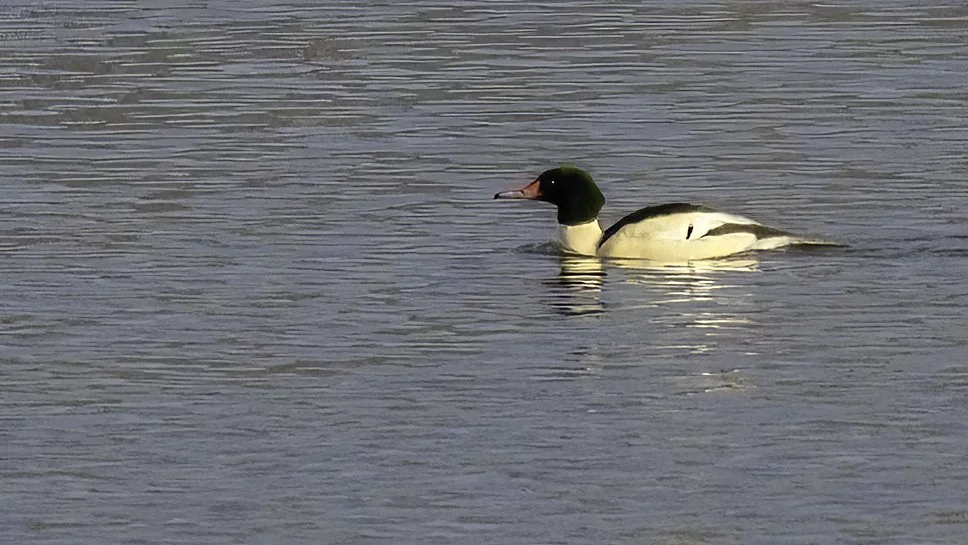
Common merganser - Hudson at Newburgh - 12/16/25
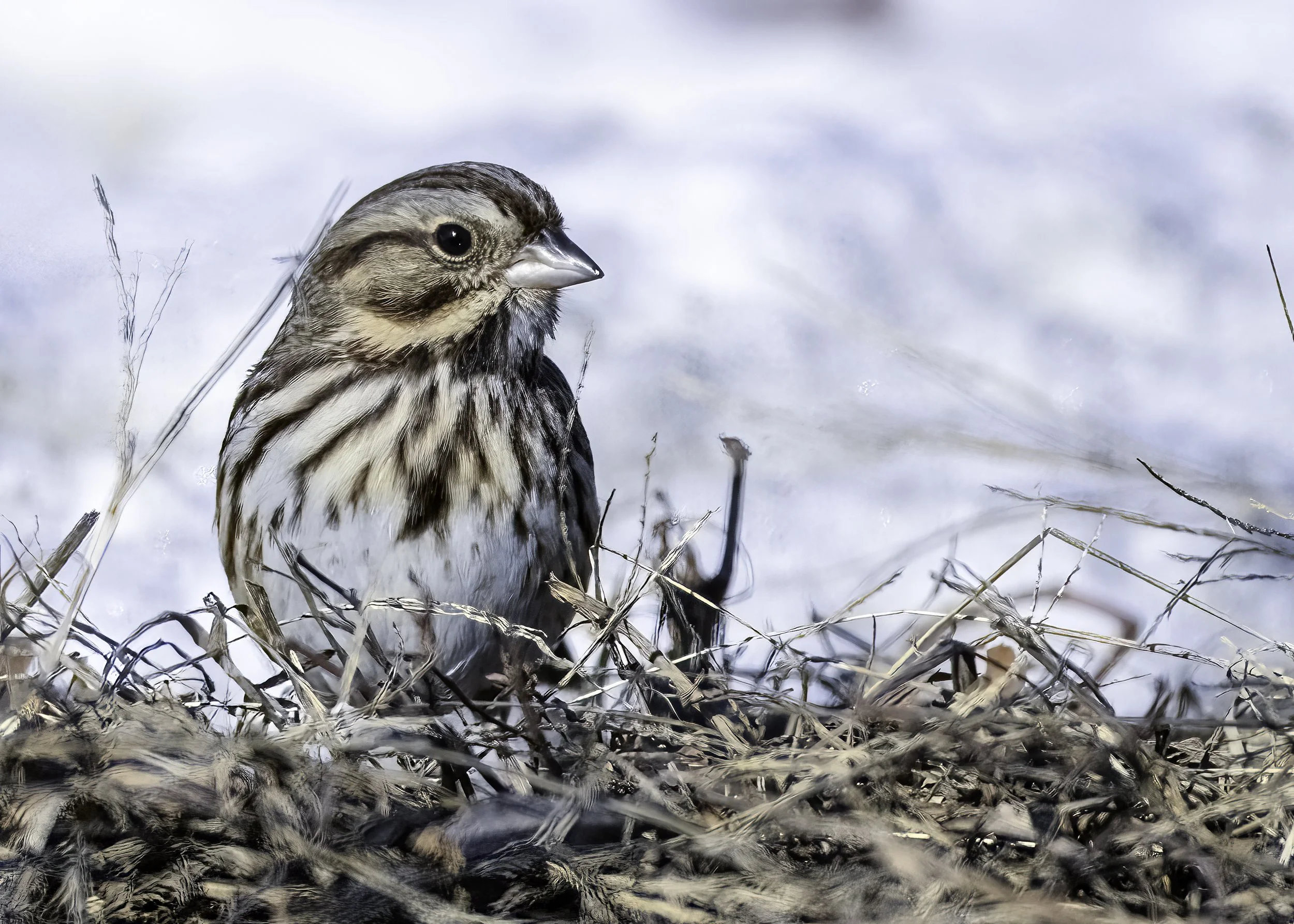
The image below is that of a Song sparrow. The quality of this image is far superior to those above, but it was included here for a different reason. This is a handsome little sparrow and I wanted the viewer to see the finder details. This photograph is worthy of inclusion due to its image quality. A different agenda than the previous two. And so, if you’ve managed to wade through this rather rambling post, I hope you’ll get a better grasp on why I choose certain photographs for inclusion and that you’ll understand that what I’m trying to produce with each photograph is an honest representation of those elements of the natural world as close to possible as the way that I perceived them at the time. It’s a great avocation that I can do in a wonderful world.